Why That Jar of Indian Peach Murabba From the Specialty Store Beats Anything You've Made at Home
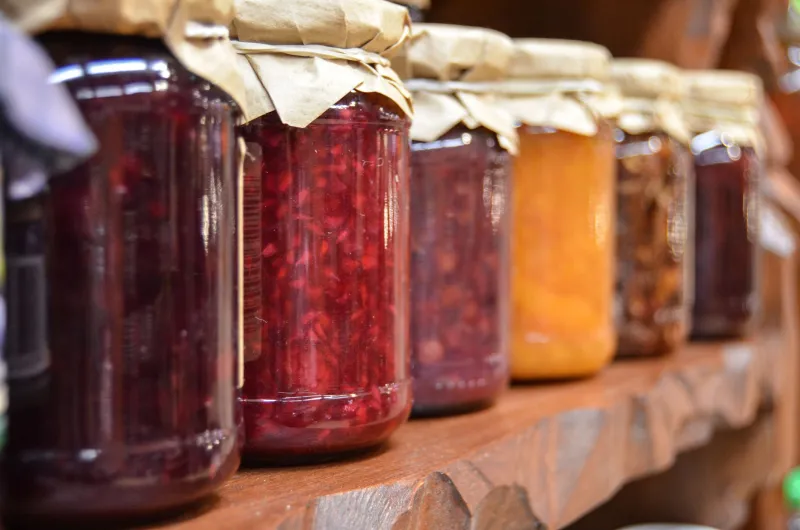
You did everything right. You sourced decent peaches from the farmers market, followed a murabba recipe you found online, and even splurged on good cardamom. The result was fine — genuinely good, even. But then you cracked open that small-batch jar from a Himalayan food importer you found at a specialty shop in your city, and something clicked. The depth was different. The fruit tasted more like itself, somehow. More floral, more mineral, with a lingering finish you couldn't quite name.
You weren't imagining it. And it probably wasn't the recipe.
What you were tasting was terroir — the same concept wine drinkers have been obsessing over for decades, applied to peach preserves. And once you understand what it actually means in this context, the gap between your homemade jar and that imported one starts to make a lot more sense.
Terroir Isn't Just a Wine Thing
Most Americans encounter the word terroir in the context of a Burgundy or a Napa Cab. But the idea — that the specific place where something grows leaves a fingerprint on its flavor — applies just as meaningfully to fruit, and by extension, to anything you make from that fruit.
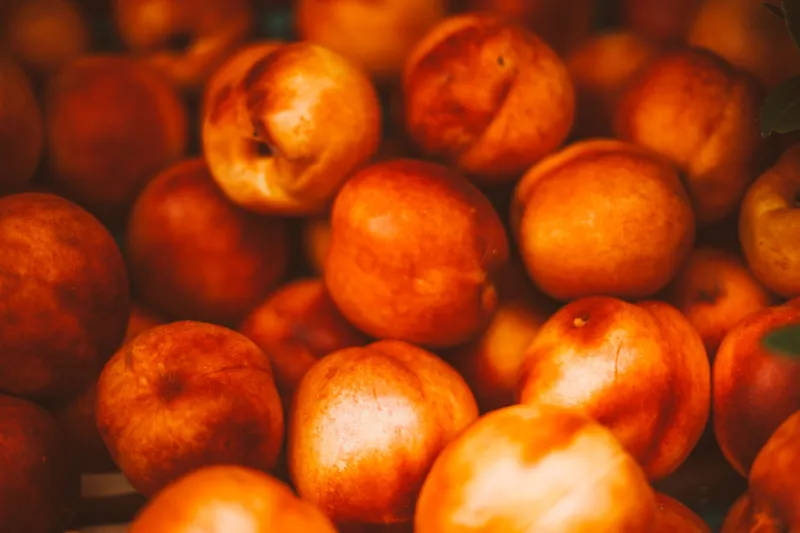
In the Himalayan peach-growing regions of Himachal Pradesh and Uttarakhand, the conditions that shape a peach are genuinely unusual. Orchards sit at elevations between 5,000 and 9,000 feet. The soil is rocky, mineral-dense, and in many areas rich in iron and calcium deposits left behind by glacial activity. Diurnal temperature swings — warm days, cold nights — force peaches to develop more complex sugar structures and higher concentrations of aromatic compounds than their lowland counterparts.
When those peaches get cooked down into a murabba or a chutney, those compounds don't disappear. They concentrate. The mineral character of the fruit becomes more pronounced, not less. And that's the first reason your homemade version, made with Georgia or California peaches grown in very different soil at much lower elevations, is starting from a different place entirely.
The Microbial Dimension Nobody Talks About
Here's where it gets really interesting — and a little humbling for those of us who pride ourselves on our canning technique.
Traditional Indian preserve makers, particularly in small-batch operations in the hill states, often work in open-air environments where the local microbial ecosystem plays an active role in fermentation and flavor development. This isn't the same as making something intentionally fermented. Even in sugar-preserved murabbas, the ambient yeasts and bacteria present during the cooking and cooling process can influence the final flavor in subtle but meaningful ways.
Sanjay Thakur, who runs a small preserve operation out of Shimla and sells through a handful of US importers, explained it this way when we spoke with him: "My grandmother made murabba in the same courtyard for forty years. The walls, the vessels, the air — it all has memory. When I cook here, I'm cooking with all of that too."
That's not mysticism. Food scientists have documented similar phenomena in cheese-making, sourdough baking, and traditional fermented beverages. The specific microbial population of a place contributes to flavor in ways that are genuinely difficult to replicate elsewhere. It's one reason a San Francisco sourdough tastes different from one made with the same starter in Denver — and it's one reason a Himalayan murabba made in Shimla carries flavors that resist easy reproduction in a Brooklyn apartment kitchen.
What Traditional Preserve Makers Actually Do Differently
Beyond the raw ingredients and the ambient environment, there are technique differences worth paying attention to.
Preeti Negi, who makes preserves in the Kumaon region and ships small quantities to diaspora customers in the US, describes her process as unhurried in a way that commercial production rarely allows. "The fruit rests in the sugar overnight before it ever sees heat. Sometimes two nights. It draws out the juice slowly, and the texture you get is completely different from rushing it."
This slow maceration step — letting the peaches release their liquid gradually before cooking — is something many American home cooks skip, either because recipes don't emphasize it or because patience runs thin when you've got a counter full of ripe fruit. But it matters. The resulting syrup is more complex, the fruit holds its shape better, and the final preserve has a layered quality that quick-cook methods can't produce.
The spice approach is different too. Where American jam-making tradition tends toward cinnamon and vanilla, Indian preserve makers layer in green cardamom, sometimes a thread of saffron, occasionally a small amount of kewra (pandanus) water. These additions aren't heavy-handed — you're not making a curry — but they add aromatic dimensions that interact with the peach's natural floral notes in ways that feel genuinely surprising if you've never encountered them.
A Practical Guide for Closing the Gap
You can't replicate Himalayan terroir in your kitchen. But you can make choices that move you meaningfully in that direction.
Start with the best peaches you can find. Farmers market peaches from high-elevation orchards in places like Colorado, Washington's Cascade foothills, or the mountains of North Carolina will get you closer to the aromatic complexity of Himalayan fruit than anything shipped in from a large commercial operation. Ask growers about elevation and soil type — some will know, and the ones who do tend to take their fruit seriously.
Macerate slowly. Cut your peaches, toss them with sugar, and let them sit covered at room temperature for at least eight hours before you apply any heat. This step changes the texture and depth of your final preserve in ways that are hard to overstate.
Rethink your spice additions. Swap or supplement your usual cinnamon with green cardamom pods cracked open and added to the pot whole. Add a small pinch of saffron bloomed in a tablespoon of warm water. These aren't dramatic changes, but they shift the flavor profile toward something more layered and unexpected.
Cook low and slow. Resist the urge to crank the heat. A longer, gentler cook preserves more of the volatile aromatic compounds that give good peach preserves their character. If you're watching for set, use a thermometer rather than relying on time alone.
Use mineral water. This sounds fussy, but if your tap water is heavily chlorinated or particularly soft, it can affect the flavor of your finished preserve in subtle ways. A good mineral water with some natural calcium and magnesium content is a small investment worth making.
The Honest Truth About That Imported Jar
Here's the thing: even with all these adjustments, your homemade murabba won't taste exactly like the one from Shimla. That's not failure. That's terroir working as intended — expressing the specific character of where you are and what you're working with.
The goal isn't perfect replication. It's understanding what makes those imported preserves special, borrowing the techniques and philosophy that translate across geography, and making something that reflects your own kitchen, your own fruit, your own place. That's what the best Indian preserve makers would tell you anyway. The point was never to make the same thing twice. It was to make something that couldn't have come from anywhere else.