Your Backyard Might Be More Himalayan Than You Think: The Surprising US Microclimates Where Indian Peach Varieties Are Quietly Thriving
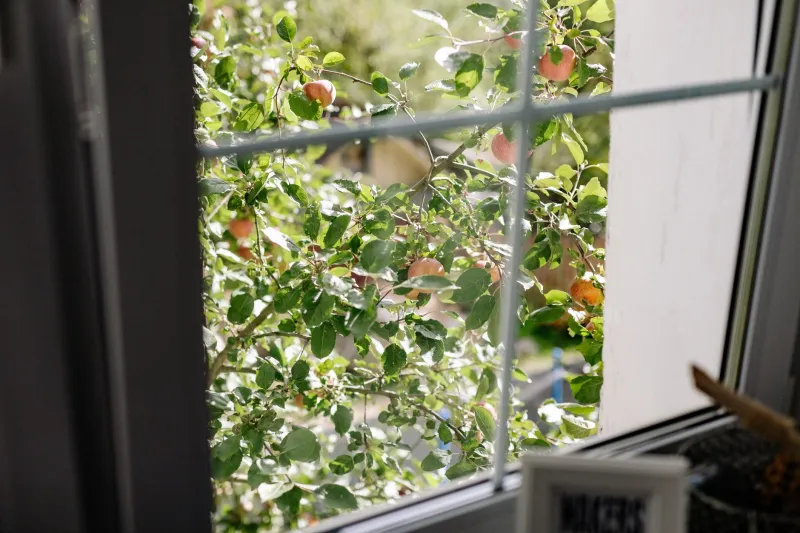
Peach growing in the US has always had its sacred geography. Georgia. South Carolina. The Central Valley of California. These are the names that show up in every guidebook, every extension service pamphlet, every well-meaning piece of advice from the guy at the local nursery. And look — that conventional wisdom isn't wrong, exactly. Those regions produce a lot of peaches, and they do it well.
But here's the thing nobody's putting in the pamphlets: there's a whole category of American backyards — high, cool, frost-edged, often dismissed as "too risky" for stone fruit — where certain Himalayan peach varieties aren't just surviving. They're absolutely thriving. And the gardeners who've figured this out are a little bit smug about it, honestly.
The Paradox at the Center of This Story
On the surface, it seems like a contradiction. Indian peach cultivars, many of them developed in the foothills and mid-elevation orchards of Himachal Pradesh, Uttarakhand, and Jammu & Kashmir, have spent generations adapting to conditions that most American gardeners would describe as "challenging." Short growing windows. Dramatic temperature swings between day and night. Thin soils perched on rocky slopes. Cool springs that can turn cold again without much warning.
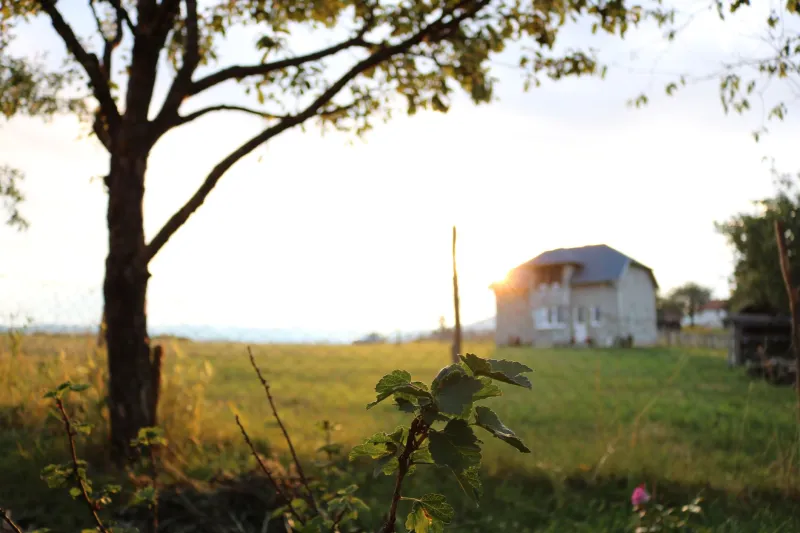
So why would anyone assume these varieties would translate well to, say, a property at 6,800 feet outside Durango, Colorado? Or a north-facing slope in the Willamette Valley? Or one of those weird little thermal pockets in western Montana where the frost dates don't match anything on the official map?
The answer, it turns out, is obvious once you hear it: those places aren't so different from the Himalayas after all.
What Microclimate Actually Means (And Why It Matters More Than Your ZIP Code)
Most of us think about climate in broad strokes — USDA hardiness zones, average last frost dates, annual rainfall. That information is genuinely useful, but it's also a blunt instrument. What it misses is the hyper-local variation that exists within any given region. A south-facing slope in your yard might be two full growing zones warmer than the north-facing slope fifty feet away. A creek running through your property creates its own humidity bubble. A stand of trees on your western edge buffers afternoon heat in ways that completely change what you can grow.
This is what horticulturalists mean when they talk about microclimates — and it's the key to understanding why Himalayan peach varieties keep popping up in unexpected American gardens.
These cultivars evolved to exploit exactly this kind of variability. They're not looking for long, lazy summers. They're looking for the right combination of cold winters (for proper chill hours), cool springs (to keep flowering from happening too early), warm-but-not-scorching summers, and excellent drainage. Get those elements right, and it almost doesn't matter what the regional climate is supposed to be.
Gardeners Who Figured It Out the Accidental Way
Talk to enough American home growers who've experimented with Indian peach varieties, and a pattern emerges. Almost none of them started with a grand plan. Most of them stumbled into it.
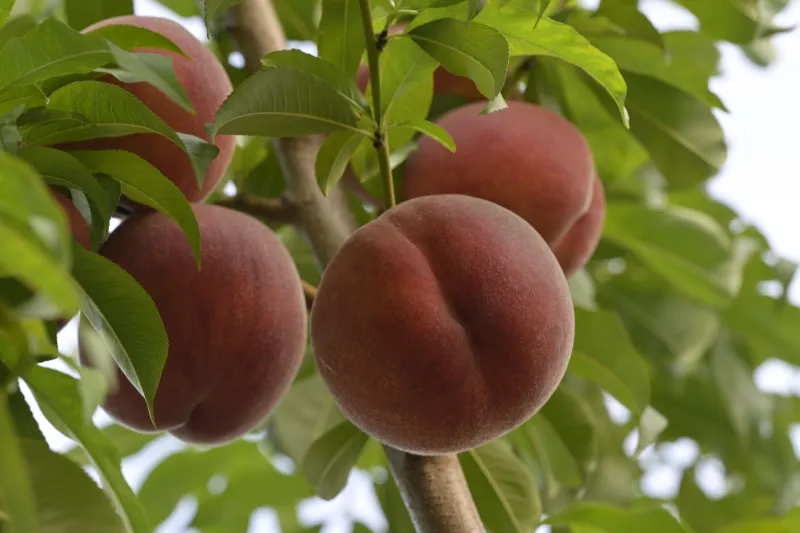
There's the retired schoolteacher in Bozeman, Montana, who ordered a small Himachali variety through a specialty mail-order nursery on a whim, fully expecting it to fail, and instead watched it produce more fruit than she knew what to do with while the conventional American varieties she'd been babying for years continued their mediocre output. "I thought I'd wasted my money," she says. "Then I had more peaches than my whole neighborhood could eat."
Or the couple in Ashland, Oregon, who planted a mixed orchard on the hillside behind their house and noticed, after a few seasons, that the Indian cultivars in the upper section — the part everyone told them was too exposed — were consistently outperforming the commercial varieties in the more "protected" lower beds.
Or the guy outside Fort Collins, Colorado, who started taking notes obsessively after his third failed attempt with traditional American varieties and eventually realized that his property, sitting at around 5,500 feet with a long, cool spring and excellent drainage, was basically mimicking the conditions of a mid-elevation Himalayan orchard.
These aren't isolated flukes. They're a pattern.
The Chill Hour Connection
One piece of science that helps explain all of this: chill hours. Stone fruit trees need a certain number of hours below 45°F during winter dormancy in order to break dormancy properly and produce fruit reliably. Too few chill hours, and you get erratic flowering, poor fruit set, and a tree that seems permanently confused about what season it is.
Many traditional commercial peach varieties were developed and selected for the chill hour profiles of their home regions — often lower-elevation areas in the American South or California's Central Valley. When you try to grow those varieties in a high-altitude Colorado garden or a cool Montana valley, the chill hour accumulation can actually be too high, throwing off the tree's internal calendar.
Himalayan cultivars, by contrast, were developed in environments where long, cold winters are the norm. They're calibrated for high chill hours. They expect them. A Montana winter isn't a problem for a peach tree from Himachal Pradesh — it's basically home.
How to Tell If Your Backyard Is a Hidden Peach Haven
You don't need to be a plant scientist to do a basic microclimate assessment of your property. A few things worth paying attention to:
Elevation and slope aspect. Higher elevation generally means more chill hours and a cooler growing season — both of which favor Himalayan varieties. South-facing slopes warm up faster in spring; north-facing slopes stay cooler longer. Neither is automatically better; it depends on what you're trying to grow.
Drainage. This is non-negotiable. Himalayan peach varieties, like their wild ancestors, hate wet feet. If your soil holds water after rain, you've got work to do before planting anything.
Temperature swings. Do you get warm days and genuinely cool nights during summer? That diurnal temperature variation is a hallmark of high-altitude growing environments, and it's one of the things that makes fruit from those regions taste so concentrated and complex.
Frost pocket vs. frost drain. Cold air sinks. If your yard sits in a low spot surrounded by higher ground, you're probably a frost pocket — late spring frosts will nail your early-flowering trees. If you're on a slope where cold air can drain away, you've got a natural advantage.
If your backyard scores well on most of these, it might be worth trying a Himalayan variety or two before you write off stone fruit entirely.
The Bigger Picture
There's something almost poetic about this whole phenomenon. The peach is native to China, traveled west through Persia, took root in the Himalayan foothills over centuries of cultivation, and eventually made its way to the Americas. Now, in a handful of high-altitude American backyards, the varieties shaped by those Himalayan growing conditions are finding landscapes that feel, to the tree at least, a little bit like coming home.
For American home gardeners in those unexpected sweet spots, the takeaway is pretty simple: don't let conventional regional wisdom be the last word on what you can grow. Your neighbor's thriving Himalayan peach tree isn't a fluke. It's evidence. And your own backyard might be hiding the same potential, waiting for someone curious enough to test it.