Chefs Are Demanding to Know Exactly Where Their Peaches Grew — And It's Changing Everything
For years, the peach sat at the back of the farm-to-table conversation. Chefs would wax poetic about single-origin cacao, heritage pork, and heirloom tomatoes grown on specific hillsides in specific counties. The peach, meanwhile, was just... a peach. Stone fruit from somewhere warm. Probably California. Maybe Georgia. Who's asking?
Turns out, a lot of people are now asking.
Across the country, a quiet but meaningful shift is happening in professional kitchens. Chefs who once accepted whatever stone fruit showed up on the delivery truck are getting specific — really specific — about where their peaches come from, how they were grown, and at what elevation. And as curiosity about Himalayan peach cultivars spreads through culinary circles, that conversation is getting genuinely interesting.
The Terroir Word Finally Reaches Stone Fruit
Terroir — that French concept describing how geography, climate, and soil shape the flavor of food — has long been the vocabulary of wine, cheese, and specialty coffee. Apply it to peaches and most people would have laughed you out of the farmers market ten years ago.
Not anymore.
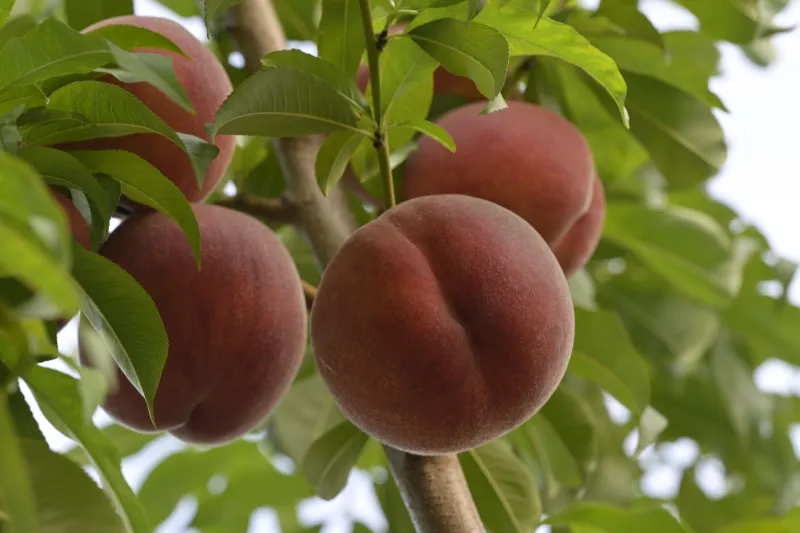
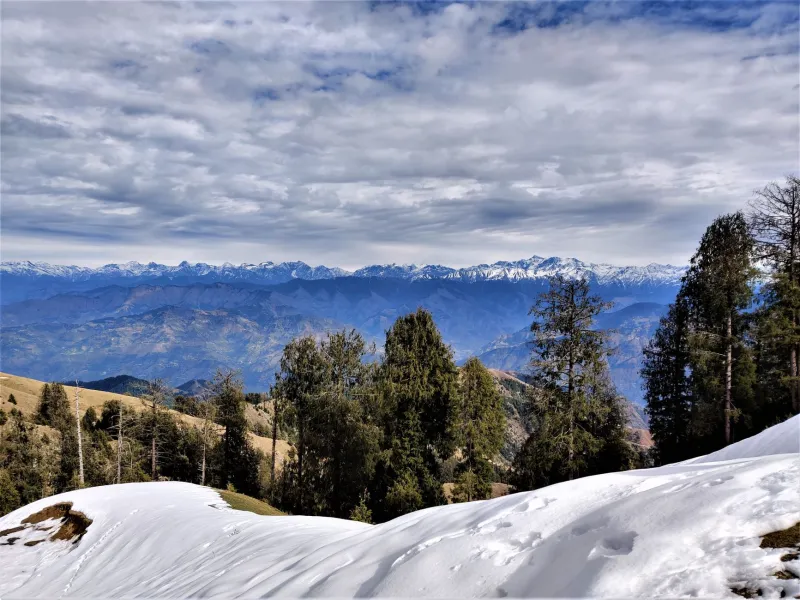
The logic was always there. A peach grown at 7,000 feet in the Himalayas, ripening slowly in thin mountain air with cool nights and intense UV exposure, is going to taste fundamentally different from a peach rushed to size in a California valley under irrigation. The sugars develop differently. The acids balance differently. The skin, the flesh, the aroma — all of it reflects where that fruit spent its growing season.
Chefs who've started sourcing Himalayan-variety peaches — or American-grown trees descended from those cultivars — describe the difference in almost reverential terms. Less water content. A more concentrated sweetness that doesn't tip into cloying. A floral quality that holds up when you apply heat, rather than collapsing into mush the way a lot of commercial stone fruit does.
For a pastry chef trying to build a peach tart that actually tastes like something, that difference is enormous.
How Restaurants Are Actually Sourcing These Fruits
Here's where it gets practical — and a little complicated.
True Himalayan peaches, grown in Indian states like Himachal Pradesh and Uttarakhand, aren't going to show up at your restaurant's produce distributor. Import logistics, shelf life, and volume constraints make that essentially impossible for fresh fruit right now. What chefs are doing instead falls into a few different categories.
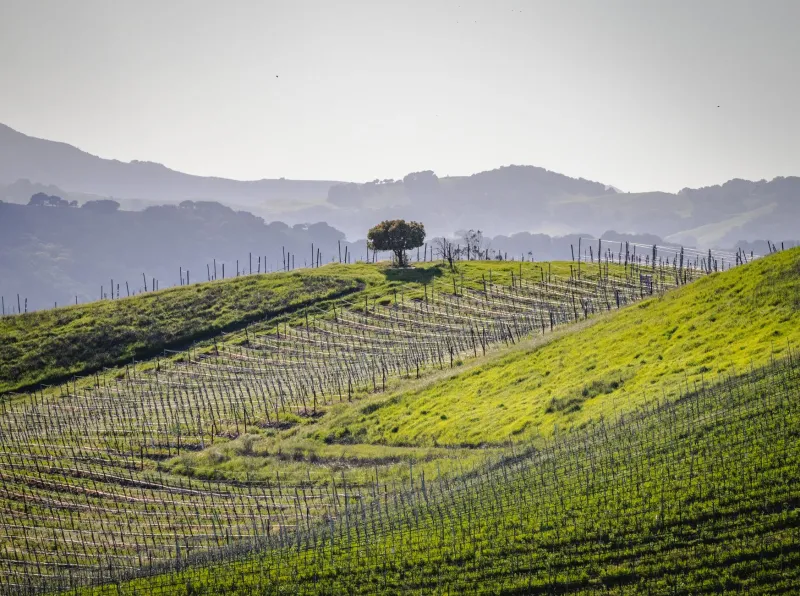
Some are working directly with specialty growers in the American West — particularly in higher-elevation areas of Washington, Oregon, and parts of Colorado — who have been cultivating Himalayan-descended cultivars for years. These growers often don't advertise loudly. You find them through word of mouth, through agricultural networks, or increasingly through culinary school connections where instructors have done the research.
Others are sourcing preserved products — dried Himalayan peaches, murabba-style preserves, or concentrated peach pastes produced by Indian food importers — and building those into their menus as flavor components even when fresh fruit isn't available.
A smaller but growing group of chefs is going further, connecting with Indian agricultural exporters and food researchers to understand the cultivar landscape and advocate for better import infrastructure down the road. They're playing a long game.
What Culinary Schools Are Teaching (And What They're Not)
The conversation is also shifting in culinary education, though more slowly than in restaurant kitchens.
A handful of forward-thinking culinary programs — particularly those with strong farm-to-table or sustainability tracks — have started incorporating origin-specific produce sourcing into their curriculum. Students are being asked not just how to butcher a chicken or execute a beurre blanc, but where their ingredients come from and how growing conditions affect culinary outcomes.
Peaches, with their dramatic flavor variation across growing environments, make a surprisingly effective teaching tool. An instructor can put two peaches side by side — one from a commercial flat-land operation, one from a high-elevation specialty grower — and let students taste the difference before ever explaining the science. The lesson lands immediately.
What culinary schools are still largely missing, though, is the Indian angle. The rich tradition of peach cultivation in the Himalayas, the heirloom cultivars developed over generations by mountain farming communities, the ways Indian culinary tradition uses the whole fruit across sweet and savory contexts — most of that history isn't making it into Western culinary education yet. There's a real gap there, and it represents an opportunity for the next generation of chefs who are willing to do the research.
The Home Cook's Version of This Mindset
You don't need a Michelin star or a produce budget the size of a small mortgage to apply this thinking at home. The sourcing mindset scales down beautifully.
Start at your farmers market with better questions. Don't just ask if the peaches are ripe — ask what variety they are, where the farm is located, and at what elevation the orchard sits. Most farmers who grow specialty stone fruit love talking about this stuff. If they can't answer, that tells you something too.
If you have a backyard or even a large container, consider what it would mean to grow a Himalayan-descended cultivar yourself. Several American nurseries now carry these trees, and the experience of eating a peach you grew from a specific, intentional variety is genuinely different from buying whatever's at the grocery store. We've covered the cultivation side of this in depth elsewhere on this site — the short version is that if you're in a zone that supports peaches at all, you have more options than you probably realize.
When fresh high-quality peaches aren't available, think like an Indian home cook: preserved peach products, quality dried fruit, and good preserves aren't consolation prizes. They're legitimate ingredients with their own culinary value, and sourcing them thoughtfully — looking for products made from named cultivars or specific growing regions — is the same terroir mindset applied to pantry staples.
Why This Matters Beyond the Menu
There's something bigger happening underneath all of this chef-driven curiosity about peach origins.
When restaurants start demanding provenance from their suppliers, it creates economic pressure that eventually reaches farmers. Specialty growers who've been cultivating interesting, regionally-specific varieties without much market recognition suddenly have buyers willing to pay a premium. That economic signal encourages more cultivation of diverse cultivars, which is good for agricultural biodiversity, good for flavor, and good for the farming communities — including those in the Himalayas — who have maintained these varieties for generations.
It's the same dynamic that saved heirloom tomatoes and heritage grain varieties from commercial extinction. Chefs got curious, consumers followed, and growers had a reason to keep doing the hard work.
Peaches are just getting started on that journey. The chefs asking 'where are these from?' right now are at the front of something that's going to look obvious in hindsight — the same way single-origin coffee looks obvious now, even though it once seemed like an absurd niche.
The Himalayas have been growing extraordinary peaches for centuries. American kitchens are finally starting to notice.