Your Backyard Has a Flavor Fingerprint — And Your Peaches Are Proof
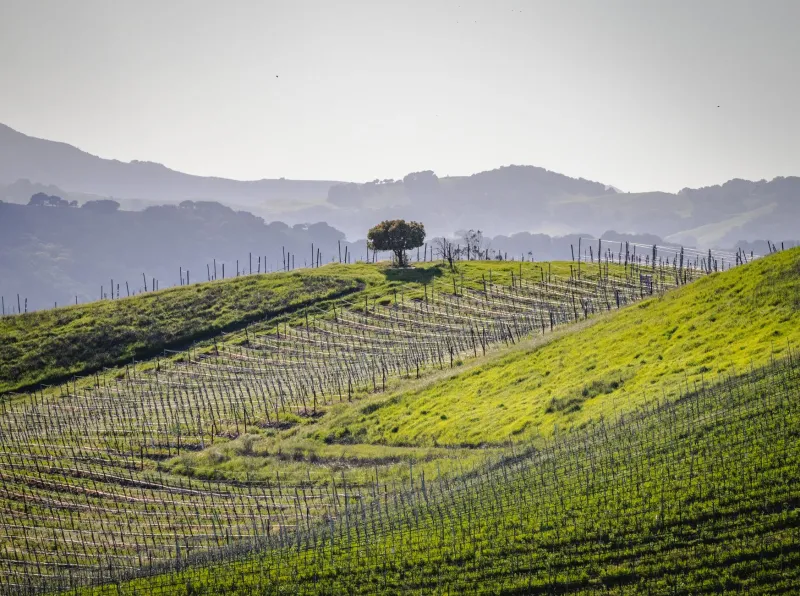
Ask any serious wine drinker what terroir means and they'll talk your ear off. The French term — roughly translating to "sense of place" — captures how soil composition, elevation, rainfall patterns, and even the direction a hillside faces can fundamentally shape the flavor of what grows there. It's why a Burgundy tastes nothing like a Bordeaux, even when both are made from grapes grown just a few hundred miles apart.
But here's the thing: terroir doesn't stop at the vineyard fence.
Across the US, a quiet but enthusiastic movement is taking shape among home growers and food-curious cooks who are starting to apply that same thinking to peaches. And if you've ever grown your own fruit — or bought from a small local orchard — you may have already noticed something unexplainable. Two peaches, same variety, grown in different spots, taste completely different. That's not your imagination. That's terroir doing its work.
The Concept That Wine Built — And Peaches Are Borrowing
The terroir conversation has been alive in specialty coffee, olive oil, and chocolate circles for years. But peaches? That's newer territory. Food scientist Dr. Priya Mehta, who splits her research between stone fruit cultivation and flavor chemistry, puts it plainly: "Peaches are incredibly sensitive to their environment. The sugars, acids, aromatic compounds — they're all responding constantly to temperature swings, water availability, and soil mineral content. A peach grown at 6,000 feet in the Himalayas and one grown at sea level in Georgia are essentially living two completely different lives, even if they share the same genetic name."
That sensitivity, it turns out, is exactly what makes peaches so interesting to grow at home — and so rewarding to cook with when you understand what your specific conditions are producing.
What a Microclimate Actually Is (And Why Yours Is Unique)
A microclimate is exactly what it sounds like: the climate conditions in a small, specific area that differ from the broader regional climate around it. Your backyard might be warmer than your neighbor's because of a south-facing brick wall that radiates heat. A corner of your garden might stay cooler and moister because of a large shade tree. A raised bed on a slope drains faster and heats up earlier in spring than a flat plot nearby.
These differences — subtle to us, enormous to a peach tree — directly influence fruit development. More heat units during the growing season push sugars higher. Cooler nights slow ripening and allow aromatic compounds to build complexity. Drier soil stresses the tree slightly, concentrating flavors. Richer, heavier soil produces larger, juicier fruit that can sometimes taste milder.
Sarah Kowalski, a home grower in western North Carolina who's been experimenting with Himalayan peach cultivars for three seasons, noticed the difference almost immediately. "I have two trees of the same variety — one on the upper part of my yard where it gets full sun from morning to late afternoon, and one lower down near the tree line where it gets shade by mid-afternoon. The upper tree gives me smaller peaches, more intensely flavored, almost honey-like. The lower tree gives me bigger, softer fruit that's gorgeous for cooking but milder eating out of hand. Same tree, same planting year, same care. Completely different peaches."
Why Himalayan Cultivars Are Sparking the Conversation
Part of what's driving American gardeners toward this kind of close observation is the growing interest in peach varieties with roots in India's high-altitude growing regions — particularly cultivars developed in Himachal Pradesh and Uttarakhand, where elevation, glacial soil, and dramatic day-to-night temperature swings create conditions that produce unusually complex fruit.
When growers bring these cultivars into American backyards — whether in the Blue Ridge Mountains, the Pacific Northwest foothills, or even parts of the upper Midwest — they often find that the fruit behaves differently than expected. Sometimes surprisingly better. The high-chill Himalayan varieties, bred to handle cold mountain winters and intense summer sun, can adapt remarkably well to American microclimates that mirror those conditions even loosely.
"These cultivars are basically pre-adapted to variability," says Mehta. "They evolved in environments where conditions change dramatically from season to season and even day to day. That genetic flexibility is part of why they respond so expressively to different growing conditions in the US. They're not bland performers — they react."
For cooks, that reactivity is the whole point. A peach with more acidity suits a savory chutney or a salad dressing in ways that a super-sweet, low-acid peach simply doesn't. A deeply aromatic fruit with floral notes might be exactly what you want in a dessert, while a firmer, earthier peach holds up better in grilled preparations or slow-cooked dishes inspired by Indian murabba traditions.
Reading Your Own Backyard Like a Grower
So how do you start paying attention to your own microclimate? You don't need a meteorology degree. Start with observation.
Notice where frost lingers longest in spring — that's your coldest air pocket, where late-blooming varieties will do better. Watch where puddles sit after rain — those spots have drainage issues that can stress roots and affect fruit quality. Pay attention to where your soil dries out fastest in summer — those zones create the water stress that can actually concentrate flavor in the right variety.
If you're growing peaches or planning to, keep a simple seasonal journal. Track when your trees bloom, when fruit sets, when it ripens, and how it tastes at different points. Note the weather patterns during those windows. Over two or three seasons, patterns emerge that tell you exactly what your microclimate is doing — and what kinds of peaches it naturally favors.
Kowalski started doing this almost accidentally. "I was just writing down harvest dates because I kept forgetting when to check on things. But then I started adding tasting notes, and after two seasons I could see it clearly. My upper yard is a high-flavor, smaller-fruit zone. My lower yard is a cooking-peach zone. Now I plant intentionally for each spot."
Cooking With Terroir in Mind
Understanding where your peach comes from — even if "where" is just two different corners of your own yard — changes how you cook with it. A tangy, firm peach from a cooler, shadier spot might be your go-to for spiced preserves or a raita-style condiment where its brightness cuts through rich flavors. A sweeter, softer peach from a sun-drenched raised bed might be perfect eaten fresh, blended into a lassi, or layered into a simple galette where its natural sweetness needs no help.
This is the kind of thinking that's second nature to Indian home cooks who've long sourced peaches from specific Himalayan orchards for specific uses — knowing that a Shimla peach and a Manali peach, even in the same season, aren't interchangeable in the kitchen. The terroir movement in American backyards is essentially rediscovering that same wisdom from the ground up.
Your backyard isn't just a place to grow food. It's a place with its own flavor logic — and once you start reading it, you'll never look at a peach the same way again.