Your Garden's Hidden Flavor Blueprint: How Soil, Sun, and Elevation Shape Every Peach You Grow
Most American gardeners spend a lot of time picking the perfect peach variety. They read the catalog descriptions, compare chill hours, debate white flesh versus yellow, freestone versus clingstone. All of that matters — but it's only half the picture.
The other half? The ground beneath your feet. The air that moves through your yard. The elevation of your property above sea level. In wine culture, there's a word for this bundle of environmental factors: terroir. And while we mostly hear it applied to grapes, peach farmers in India's Himalayan growing regions have understood for generations that terroir shapes a peach just as profoundly as any cultivar ever could.
Here's what that means for your backyard — and your kitchen.
What Terroir Actually Means for Fruit (Not Just Wine)
Terroir is a French term, but the concept is universal. It refers to the complete set of environmental conditions — soil composition, elevation, rainfall patterns, temperature swings, sun exposure, wind — that influence how a plant grows and, ultimately, how its fruit tastes.
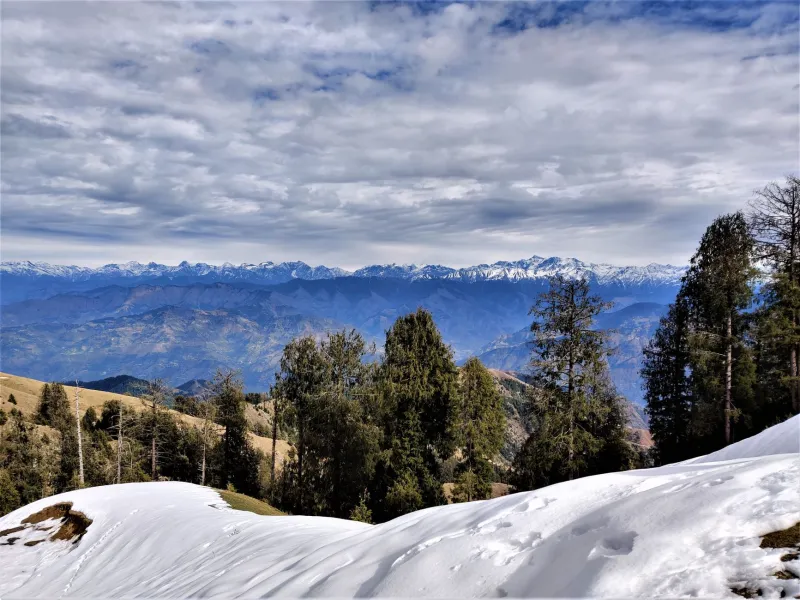
In Himachal Pradesh and Uttarakhand, where India's most celebrated peach orchards sit, farmers don't just plant peaches anywhere. They seek out specific slopes, specific elevations, specific aspects (the direction a hillside faces). A south-facing slope at 5,000 feet in the Kullu Valley produces a peach with a different sugar profile and acidity than one grown in a lower, warmer valley just twenty miles away. Same variety, same general region, completely different fruit.
American growers don't always think this way — but they should.
The Three Terroir Factors That Move the Needle Most
Elevation and Temperature Swings
Himalayan peach country sits between roughly 4,500 and 8,000 feet above sea level. At those altitudes, summer days are warm but not punishing, and nights drop significantly. That diurnal temperature shift — the spread between daytime highs and nighttime lows — is one of the most powerful flavor-building forces in fruit farming. Cool nights slow sugar metabolism in the fruit, letting complexity develop rather than just sweetness.
In the US, this same principle plays out across diverse landscapes. Think of the high-desert orchards of New Mexico, the mountain-valley farms of Colorado, or the elevated benchlands of eastern Washington. These aren't the regions most people associate with peach growing, but they often produce fruit with a depth of flavor that puts coastal lowland peaches to shame.
If your garden sits at a meaningful elevation — even 1,500 to 2,500 feet in the right region — you may have a natural advantage you haven't fully leveraged. Pay attention to how much your overnight temperature drops in July and August. A swing of 25 to 35 degrees Fahrenheit between day and night is a very good sign.
Soil Drainage and Mineral Content
Peach roots hate wet feet. In the Himalayas, the rocky, well-drained slopes that characterize traditional orchard sites aren't just incidental — they're essential. Himalayan orchard soils tend to be mineral-rich, slightly acidic, and quick to drain after monsoon rains. The trees are never waterlogged, and the mineral content of the soil feeds into the fruit's flavor in ways that are genuinely measurable.
For American gardeners, this translates to a simple diagnostic: dig a hole about a foot deep in your intended planting spot after a heavy rain and check back in an hour. If there's still standing water, you've got a drainage problem that will limit both your tree's health and your peach's flavor potential. Sandy loam soils with good organic matter and a slightly acidic pH (around 6.0 to 6.5) come closest to mimicking the conditions Himalayan orchardists work with naturally.
If your soil is heavy clay, you're not out of luck — raised beds and amended planting holes can do a lot. But understanding the limitation is the first step.
Sun Exposure and Microclimate
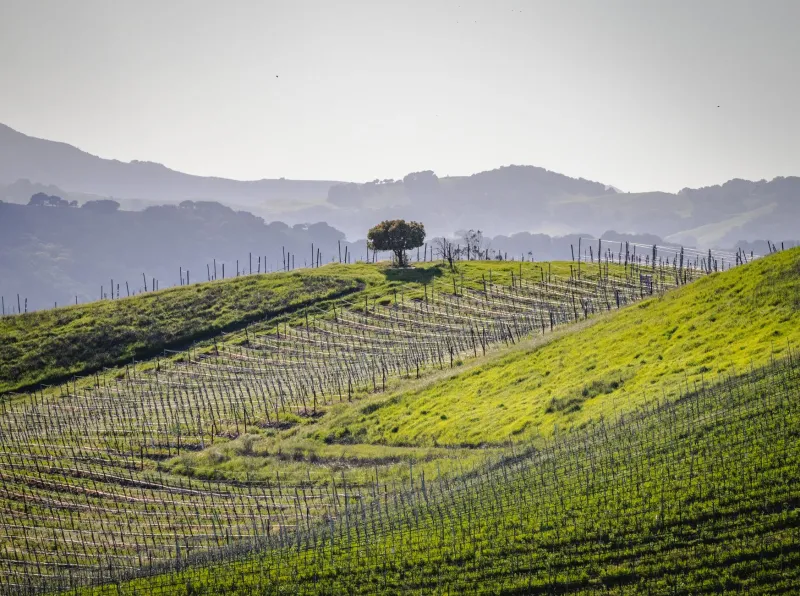
In India's mountain orchards, the orientation of the slope determines everything from bloom time to harvest date to flavor intensity. North-facing slopes stay cooler and ripen later; south-facing slopes catch more sun and push earlier, more sugary fruit. Savvy farmers plant different varieties on different aspects to extend the harvest season and diversify flavor profiles.
Your backyard has microclimates too, even if they feel less dramatic. A south-facing fence line can add weeks to your growing season. A spot that gets afternoon shade from a neighboring tree might push your peaches toward more tartness and less sugar. A low area where cold air pools on spring nights could mean repeated frost damage that a slightly elevated bed nearby would avoid entirely.
Before you plant, spend a season actually watching your yard. Notice where snow melts first in late winter. Note which corners stay warmest in early evening. This kind of observation — second nature to experienced mountain orchardists — is genuinely the most useful tool you have.
Diagnosing Your Garden's Terroir Honestly
So how do you figure out whether your specific patch of American soil and sky is peach-friendly? A few practical checkpoints:
Chill hours first, always. Peaches need a certain number of hours between 32°F and 45°F during dormancy to set fruit properly. Most standard varieties want 700 to 900 chill hours. Check your USDA hardiness zone and your local extension service data for average chill hour accumulation. If you're in the Deep South, you'll need low-chill varieties. If you're in the Upper Midwest, you're fighting late frosts more than chill hours.
Test your soil before you plant anything. A basic soil test from your county extension office costs almost nothing and tells you pH, drainage tendency, and nutrient levels. It's the single most useful piece of information you can have.
Think about air circulation. Stagnant air around peach trees promotes fungal disease. Himalayan orchard sites get natural ventilation from mountain airflow. In your yard, avoid planting in low pockets or against solid walls that block air movement.
Consider water access — but not too much. Peaches need consistent moisture during fruit development but should dry out somewhat between waterings. Drip irrigation that mimics the slow, steady moisture of mountain springs is far better than overhead watering that keeps foliage wet.
When Your Terroir Isn't Ideal — What You Can Actually Do
Not every American yard is a Himalayan hillside, and that's fine. The Himalayan framework isn't a checklist to fail — it's a lens for understanding what your specific conditions offer and where you might need to compensate.
Poor drainage? Build raised beds or mound your planting sites. Heavy clay? Amend generously with compost and coarse sand. Too little elevation and temperature swing? Choose varieties bred for warmer, lower conditions and focus on maximizing other factors. Not enough natural airflow? Prune your trees to open canopies that create their own air circulation.
The broader lesson from India's mountain orchards is that great peaches are grown intentionally, not accidentally. The farmers who produce the most flavorful fruit in Himachal Pradesh aren't just lucky with their geography — they've learned to read their environment and work with it precisely.
You can do the same thing, whether your garden is in Georgia, Colorado, Michigan, or Oregon. Start by understanding what your land is actually offering. The variety comes second. The terroir is where flavor begins.