Backyard Gold: Why Himalayan Peach Cultivars Are Winning Over American Gardeners — But Can't Crack the Supermarket
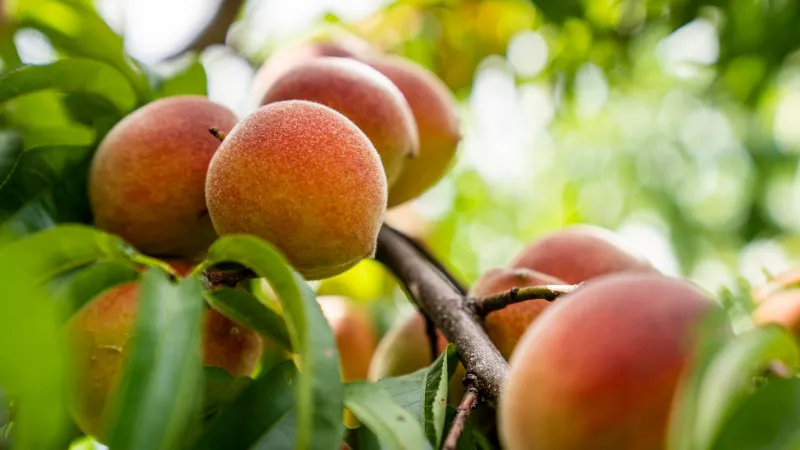
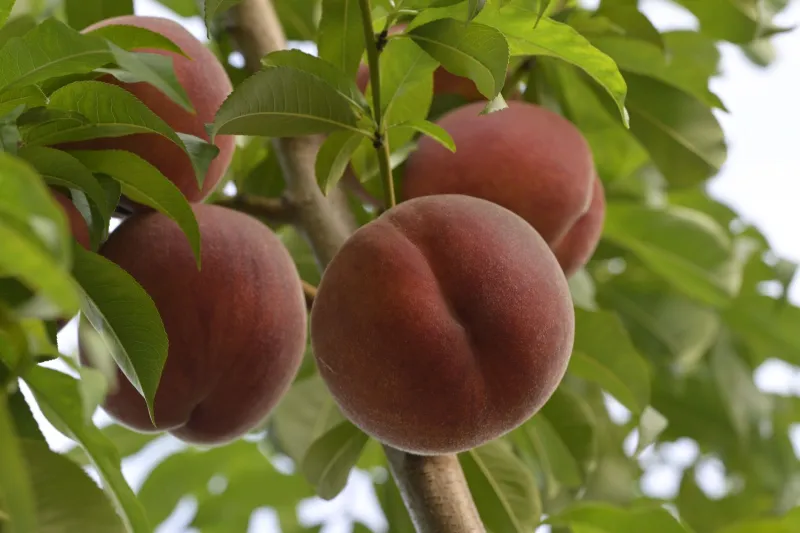
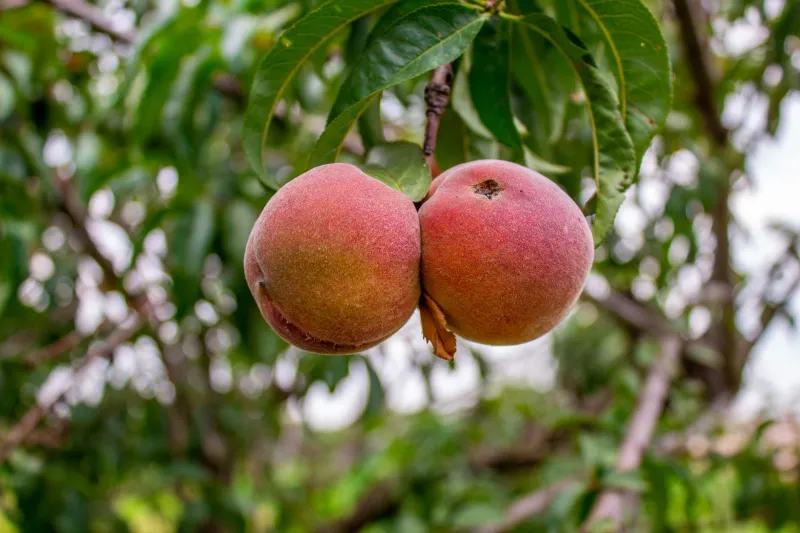
Something quietly radical is happening in American backyards. From the foothills of western North Carolina to the suburban plots of Northern California, a growing number of home gardeners are planting peach trees that trace their roots not to Georgia or South Carolina, but to the high-altitude orchards of Himachal Pradesh and Uttarakhand. These aren't novelty experiments. They're producing fruit that seasoned growers describe as genuinely different — more aromatic, more complex in flavor, with a texture that holds up in ways commercial varieties simply don't.
And yet, walk into virtually any American supermarket, and you'll find the same familiar faces: Reliance, Contender, maybe a Redhaven if you're lucky. Himalayan-heritage cultivars? Nowhere to be seen.
So what's going on? Why are these varieties thriving in home gardens while remaining essentially invisible in retail distribution? The answer sits at the intersection of economics, logistics, and a food system that was never really designed to reward complexity.
What Makes These Varieties Worth Growing in the First Place
Before getting into why you can't buy them at the store, it's worth understanding why so many gardeners are seeking them out in the first place.
Himalayan peach cultivars — including varieties like Flordasun-adjacent selections adapted from Indian hill station breeding programs, and heirloom types that have circulated through diaspora networks for decades — tend to share a few notable characteristics. They often carry higher sugar-acid ratios than their commercial American counterparts, which translates to that deeply perfumed quality that people who've eaten fruit fresh off a Shimla or Manali tree never quite forget. Many also have lower chill hour requirements, making them surprisingly adaptable to warmer American growing zones that standard peaches struggle in.
Rajiv Sharma, a home orchardist in Fresno, California, who came to the US from Himachal Pradesh in the 1990s, started grafting cuttings from trees his family sent over nearly fifteen years ago. "People thought I was being sentimental," he says. "But once neighbors tasted the fruit, everyone wanted cuttings. Now I've got a waiting list."
That kind of grassroots propagation — cuttings passed between friends, scions traded at rare fruit society meetups, seeds carefully carried in luggage — is how most of these varieties have spread in the US. It's informal, slow, and almost entirely invisible to commercial agriculture.
The Supermarket System Wasn't Built for This
Here's the hard truth about grocery store produce: the selection on those shelves isn't primarily determined by what tastes best. It's determined by what ships well, what has a long shelf life, what looks uniform at scale, and what a retailer can source in consistent, large volumes week after week.
Himalayan-heritage peach varieties fail several of these tests — not because they're inferior fruit, but because they were never bred for industrial distribution. Many are freestone varieties with soft, almost yielding flesh at peak ripeness. That's exactly what makes them extraordinary to eat. It's also what makes them a logistical headache for anyone trying to truck them from an orchard in the Central Valley to a distribution center and then to a store shelf 800 miles away.
Commercial peach breeding in the US has spent decades optimizing for durability. Flavor has often been a secondary consideration. The result is fruit that arrives at the store looking perfect and tasting like very little. It's a trade-off American consumers have largely accepted without realizing they made it.
Meena Patel, who runs a small heritage fruit nursery in Oregon with her husband, puts it plainly: "The varieties we grow would never survive commercial distribution. They need to be eaten within a day or two of picking. For a supermarket, that's a liability. For someone eating them in their own backyard, that's the whole point."
Economic Barriers That Go Beyond Logistics
Even setting aside shelf life, getting a new variety into commercial distribution requires resources that small growers and heritage cultivar enthusiasts typically don't have. Supermarket chains generally require suppliers to meet minimum volume commitments, carry specific certifications, and often pay slotting fees just to get products onto shelves. For a small orchardist growing heritage Indian peaches on five or ten acres, none of that math works.
There's also the question of demand signaling. Retailers stock what they believe customers will buy, and customers can only buy what they've been exposed to. It's a circular problem. Without marketing budgets, without a celebrity chef putting these varieties on a menu, without a food media moment that makes Himalayan peaches the next big thing, they stay in the shadows — beloved by those who know them, unknown to everyone else.
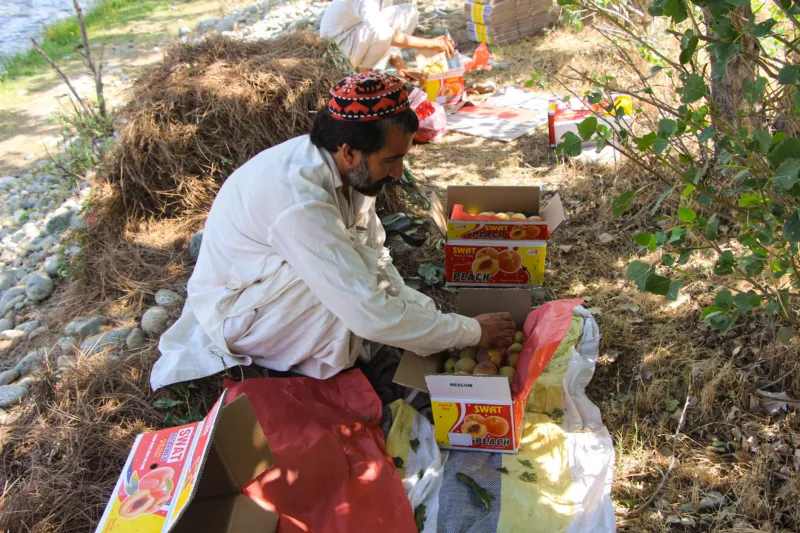
Farmers markets are one exception. A handful of California and Pacific Northwest growers have started bringing heritage Indian-variety peaches to weekend markets, where they sell out quickly and generate the kind of word-of-mouth enthusiasm that commercial channels can't manufacture. But farmers markets are seasonal, geographically limited, and still reach only a small slice of the food-curious population.
What This Means for the Home Gardener
If there's a silver lining to all of this, it's that the home garden is genuinely where these varieties shine. You don't need to worry about shelf life when you're walking ten feet from your back door to your tree. You don't need to hit volume targets. You just need the right rootstock, a decent climate match, and a little patience.
For American gardeners interested in growing Himalayan-heritage peaches, the best entry points right now are rare fruit societies (the California Rare Fruit Growers association is a good starting point), online scion exchanges, and diaspora community networks — particularly in cities with large South Asian populations like the Bay Area, Chicago, and the New York metro area.
Chill hour requirements vary by cultivar, so it's worth doing your homework before you plant. Many of the varieties circulating in the US have been selected or adapted precisely because they perform well in American conditions, but it's not a one-size-fits-all situation.
The Bigger Picture
What's happening with Himalayan peach cultivars in American home gardens is part of a broader movement toward agricultural biodiversity that's been building quietly for years. Seed libraries, heritage grain revivals, heirloom tomato culture — these are all expressions of the same impulse: a desire to recover flavor, complexity, and agricultural heritage that industrial food systems have gradually erased.
The fact that Indian fruit traditions are now part of that conversation feels significant. These varieties carry stories — of mountain orchards, of particular microclimates, of families who have tended the same trees for generations. When an American gardener in Tennessee grafts a scion from a Himachal Pradesh heritage cultivar onto their own rootstock, something genuinely interesting is happening culturally, not just horticulturally.
Will these varieties ever make it to supermarket shelves? Honestly, probably not in their current form. But the home garden might be exactly the right place for them — intimate, unhurried, and oriented entirely toward the pleasure of eating something extraordinary.