No Chemicals, No Problem: What Himalayan Peach Growers Know About Organic Farming That American Gardeners Don't
Spend an afternoon talking to a peach farmer in Shimla or the Kullu Valley and you'll notice something: they're not particularly impressed by the organic farming movement. Not because they disagree with it — quite the opposite. It's just that for them, farming without synthetic chemicals isn't a lifestyle choice. It's simply how things have always been done.
While American agriculture spent much of the 20th century leaning hard into pesticides and synthetic fertilizers, many Himalayan orchard communities kept doing what their grandparents taught them. The results? Peaches that are genuinely healthier, soil that gets better with every season, and orchards that have been productive for decades without the kind of chemical dependency that costs US growers serious money every year.
The good news: you don't need to move to India to use these methods. Most of them work beautifully in a backyard setting, and a few of them might actually be easier to pull off at home than they are on a commercial hillside farm at 6,000 feet.
The Philosophy First, Then the Techniques
Before getting into the specifics, it's worth understanding the mindset behind traditional Himalayan orchard care. These farmers don't think about pest control as a reactive problem — something you spray for after you spot an infestation. Instead, they think about the orchard as an ecosystem that, if kept in balance, largely regulates itself.
That shift in framing changes everything. Instead of asking "what do I spray when pests show up," the question becomes "what conditions am I creating that invite pests in the first place?" It sounds philosophical, but it leads to some very practical decisions.
Companion Planting That Actually Does Something
One of the most common sights in Himalayan peach orchards is the mix of plants growing between and beneath the trees. Garlic, marigolds, and aromatic herbs like mint and lemongrass are planted throughout the orchard — not for harvest, but for pest deterrence.
Garlic in particular has a long history in Indian agricultural practice as a natural repellent for aphids and fungal disease. Farmers often prepare a simple garlic-water spray by soaking crushed cloves overnight and applying the liquid directly to leaves. It's low-effort, costs almost nothing, and doesn't leave chemical residue on fruit.
For American home gardeners, this is one of the easiest wins available. If you've got peach trees, try planting a ring of marigolds around the drip line this spring. Add a few garlic cloves to the soil nearby. You're not going to eliminate every pest, but you'll disrupt the conditions they thrive in — and that's the whole point.
Neem: The Tree That Does Everything
If there's one ingredient that shows up over and over in traditional Indian organic farming, it's neem. The neem tree (Azadirachta indica) is native to the Indian subcontinent and has been used in agriculture, medicine, and pest management for thousands of years. Its seeds produce an oil that disrupts the life cycle of dozens of common pests — including aphids, mites, and scale insects — without harming beneficial insects like bees when applied correctly.
Neem oil is already widely available in the US at garden centers and online, but most American gardeners treat it as a last resort rather than a regular part of orchard maintenance. Himalayan farmers flip that script. They apply diluted neem oil as a preventive measure during key points in the growing season — early spring before bud break, and again just after petal fall — rather than waiting for problems to appear.
The key is dilution and timing. A standard mix of one to two tablespoons of neem oil per gallon of water with a few drops of dish soap as an emulsifier, applied in the early morning or evening to avoid burning leaves, is enough to make a real difference. Do it consistently and you may find yourself reaching for harsher products a lot less often.
Soil Enrichment the Old-School Way
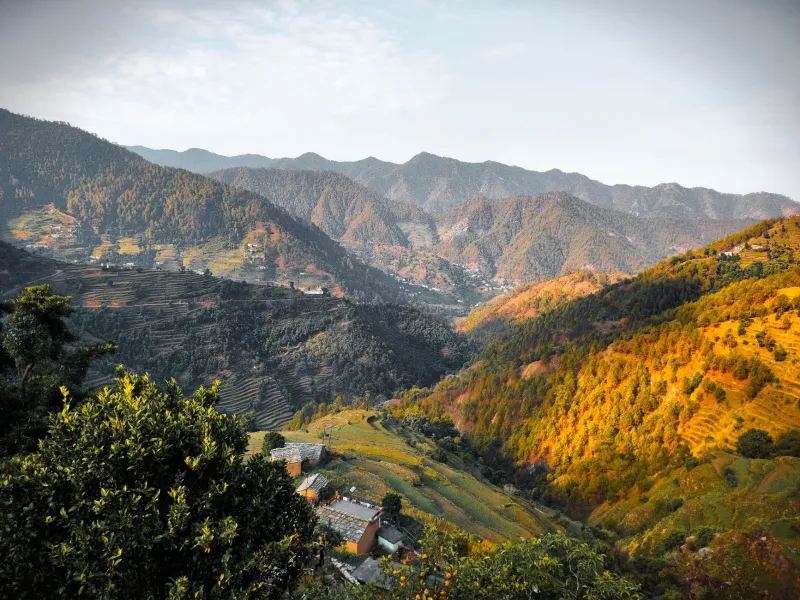
Himalayan peach orchards sit on some seriously rocky, steep terrain. There's no room for the kind of heavy tilling that strips topsoil, and synthetic fertilizers are expensive to transport into remote valleys. So farmers have relied on composting, green manuring, and the strategic use of wood ash to keep their soil productive season after season.
Wood ash, in particular, is something American gardeners tend to overlook. It's rich in potassium and calcium, raises soil pH (helpful if your soil runs acidic), and has mild antifungal properties. Farmers in peach-growing regions of Himachal Pradesh work it into the soil around their trees in late winter, just before the growing season kicks off. If you have a fireplace or fire pit, you've got a free soil amendment sitting right there.
Green manuring — the practice of growing a crop specifically to till it back into the soil — is another staple. Legumes like clover or fenugreek are grown between tree rows, then turned under before they go to seed. They fix nitrogen in the soil naturally, reducing the need for any added fertilizer. For a home gardener with even a small orchard space, planting clover as a ground cover between trees is a simple, low-maintenance way to feed the soil all season long.
Managing Water Without Wasting It
The Himalayan growing environment is shaped by monsoon rains and long dry stretches, which has pushed farmers toward water management strategies that minimize runoff and maximize absorption. Mulching is central to this — thick layers of straw, dried leaves, or wood chips around the base of each tree hold moisture in the soil, regulate temperature, and slowly decompose to add organic matter.
This one should feel familiar to most American gardeners, but the scale that Himalayan farmers apply it might surprise you. They're not putting down a thin decorative layer — they're creating a substantial mulch blanket that extends well beyond the trunk, sometimes to the full drip line of the tree. If you've been mulching lightly, try going deeper and wider this season. Your peach tree's root zone will thank you.
The Bigger Picture for Your Backyard
None of these techniques are complicated. None of them require a trip to a specialty store or a significant investment. What they do require is a willingness to think about your peach tree (or trees) as part of a living system rather than a production unit that needs inputs.
That's the real lesson from the Himalayan orchards. The farmers there aren't organic because they read about it in a magazine. They're organic because they understand their land intimately, work with its natural tendencies, and trust methods that have proven themselves over generations. Bring that same patience and observation to your backyard and you might be surprised how little you actually need to spray.