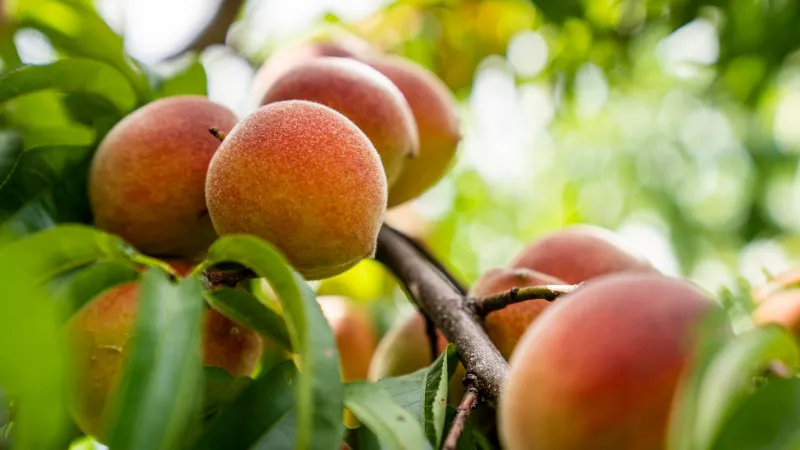
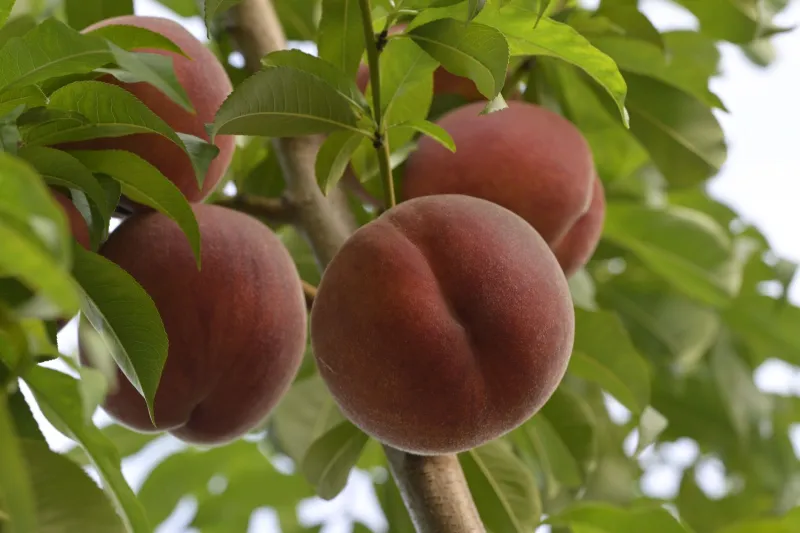
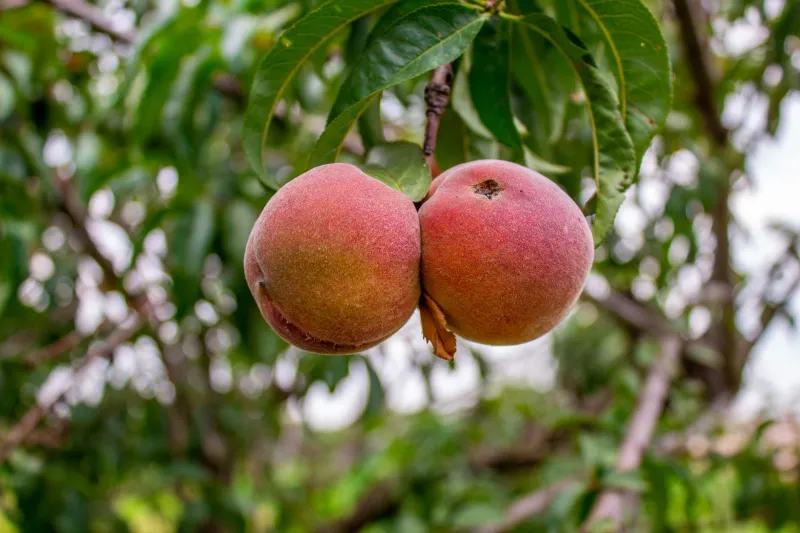
Altitude Is Everything: How Himalayan Growing Conditions Create Peaches That Cook Differently Than Anything You'll Find at the Grocery Store
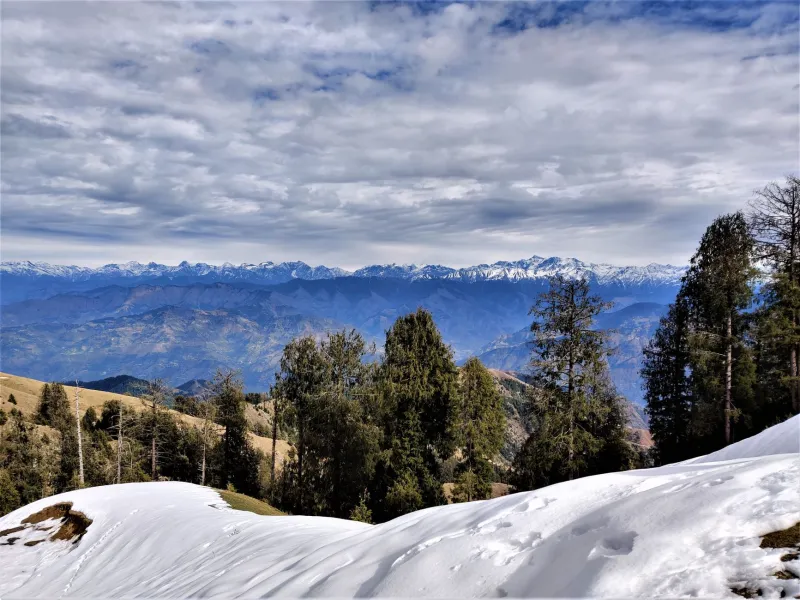
Pick up a peach at your average American grocery store and you're almost certainly holding a product of California's Central Valley — flat, warm, irrigated, and optimized for yield and shelf life. It's a fine peach. But it is not, by any reasonable measure, the same fruit that's been ripening in the thin air of Himachal Pradesh or Uttarakhand for generations. And if you're cooking seriously with peaches — whether that's a slow-cooked chutney, a delicate dessert, or a savory dish — that distinction matters more than most of us have been led to believe.
This isn't snobbery. It's actually chemistry, geography, and a bit of culinary common sense.
What "Terroir" Actually Means When We Talk About Peaches
Wine lovers are familiar with the concept of terroir — the idea that a grape's flavor is shaped by the specific combination of soil, climate, and elevation where it grows. The same principle applies to peaches, though the fruit world has been slow to claim that language for itself.
In the Himalayan regions where peaches have been cultivated for centuries, the growing conditions are genuinely extreme by agricultural standards. Orchards in places like Kinnaur, Kullu, and the Kumaon hills sit anywhere from 4,000 to over 8,000 feet above sea level. Nights are cold even in summer. Days are intensely sunny. The temperature swings between morning and afternoon can be dramatic — sometimes 30 degrees Fahrenheit or more within a single day.
That stress, counterintuitively, is good for flavor. When a peach tree experiences wide diurnal temperature variation (the gap between daytime highs and nighttime lows), it produces fruit with higher concentrations of sugars and aromatic compounds. The cold nights slow the fruit's respiration, which means sugars accumulate rather than being burned off. The result is a peach that tastes more intensely like itself — sweeter, more complex, with a kind of floral depth that lower-altitude fruit rarely achieves.
California peaches, by contrast, grow in conditions that are warm overnight as well as during the day. The fruit develops faster, grows larger, and reaches market sooner. Those are commercial advantages. But the flavor profile is fundamentally different: less concentrated, less aromatic, and — in the view of anyone who's tasted both side by side — noticeably less interesting.
Soil Chemistry and Why It's Not Just About Nutrients
Beyond temperature, the soils of Himalayan peach country contribute something California's irrigated flatlands simply can't replicate. High-altitude soils in India's northern mountain ranges tend to be rocky, well-drained, and relatively low in organic matter. That might sound like a disadvantage, but for stone fruits, mild stress from lean soils encourages deeper root systems and more concentrated fruit.
These soils also contain mineral profiles shaped by glacial activity and the specific geology of the Himalayan uplift — a completely different geological story than California's Central Valley, which sits on ancient seabed sediment. Whether or not you can actually taste specific minerals in a peach is a debate that food scientists haven't fully resolved. But what's clear is that soil drainage, pH, and mineral composition influence how a tree takes up water and nutrients, and that affects everything from fruit size to sugar-to-acid balance.
Himalayan peaches tend to have a slightly higher acid content alongside their elevated sugars. That balance — what wine folks call "tension" — is exactly what makes a peach interesting to cook with rather than just pleasant to eat out of hand.
What This Actually Means in the Kitchen
Here's where things get practical. If you've ever made a peach dish that turned out flat or watery — a cobbler that lacked punch, a salsa that tasted vague, a reduction that never quite came together — the problem may not have been your technique. It may have been your peaches.
High-acid, high-sugar peaches (the kind that high-altitude growing tends to produce) behave differently under heat. Their sugars caramelize more readily. Their natural pectin content tends to be slightly higher, which means jams and chutneys set more reliably. And their aromatic compounds — the volatile esters that give peaches their characteristic floral-fruity smell — are more robust, so they survive cooking rather than disappearing into steam.
For dishes where peach flavor needs to carry the whole experience — a peach lassi, a murabba, a simple grilled peach with yogurt and honey — the quality of the starting fruit makes an enormous difference. For dishes where peach is one element among many, a lower-intensity California peach might actually be the better choice, since it won't overpower more delicate flavors.
The practical upshot: match your peach to your dish. If you're making something where peach is the star, seek out the most flavorful, most aromatic fruit you can find. If you're folding peach into a complex spice-forward recipe, a milder fruit might integrate more harmoniously.
How to Taste-Test for These Qualities at a Farmers Market
You don't need to import fruit from Himachal Pradesh to find peaches with some of these characteristics. American farmers markets, particularly in the Northeast, Pacific Northwest, and parts of the South, often feature small-orchard peaches grown at higher elevations or in cooler microclimates — and these can have flavor profiles closer to what altitude and temperature stress produce.
When you're at a market, ask questions. What elevation is the orchard? What's the temperature range during the growing season? How long does the fruit stay on the tree before picking? A grower who can answer those questions is usually someone who cares about flavor, not just yield.
Then taste. Look for peaches where the aroma hits you before you bite — that volatile fragrance is a sign of high aromatic compound concentration. Take a bite and pay attention to whether the sweetness is followed by a clean, bright acidity, or whether the flavor just sits flat. A peach with good tension between sugar and acid will feel alive in your mouth. A low-complexity peach will taste sweet and then sort of disappear.
Also look at the flesh. Deep golden or orange flesh often (though not always) signals higher carotenoid content, which correlates with richer flavor. Pale, watery flesh is frequently a sign of a fruit grown for size and speed rather than taste.
Bringing the Himalayan Principle Home
You may never grow peaches at 7,000 feet. But understanding what altitude, temperature stress, and lean soils do to flavor can change how you shop, how you choose, and ultimately how you cook. The Himalayan peach tradition isn't just a romantic story — it's a set of agricultural principles that produce genuinely superior fruit, and those principles have real implications for what ends up on your plate.
Next time you're standing at a farmers market stall, peach in hand, think about where it came from. Not just geographically, but environmentally. How was it grown? Under what kind of stress? In what kind of soil? The answers might just lead you to the best peach dish you've ever made.