Closed Kitchens, Open Gardens: What Happens When Indian Peach Secrets Meet America's Share-Everything Culture
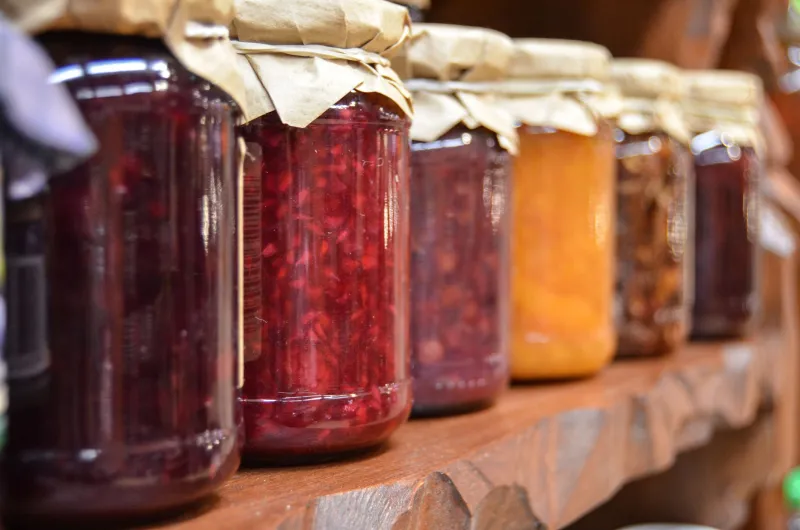
Somewhere in a Kullu valley kitchen, a woman is pressing peach halves into spiced syrup using a technique her mother taught her in whispers. She's not going to write it down. She's definitely not posting it to a food forum. And honestly? She doesn't think you need to know.
Meanwhile, somewhere in western Colorado, a home gardener is uploading a seventeen-minute YouTube video explaining exactly how he grafted a Himalayan peach cultivar onto rootstock, complete with timestamps and a downloadable PDF.
Both of these people love peaches. Both have spent years learning how to work with them. But the gap between how they hold that knowledge — and who they think it belongs to — couldn't be wider.
Why Indian Families Treat Preservation Like an Inheritance
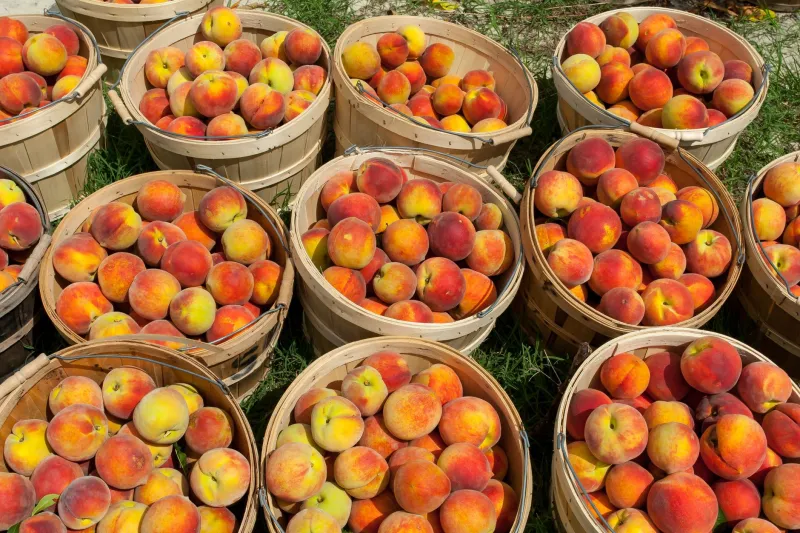
In peach-growing regions across northern India — Himachal Pradesh, Uttarakhand, parts of Kashmir — the orchard and the kitchen have always been inseparable. Families don't just grow fruit. They build entire seasonal economies around what they can do with it after harvest. A recipe for aam papad made from mountain peaches, or a particular ratio of spices in a sun-dried peach achaar, isn't just a cooking method. It's intellectual property passed down through generations, often exclusively through women in the household.
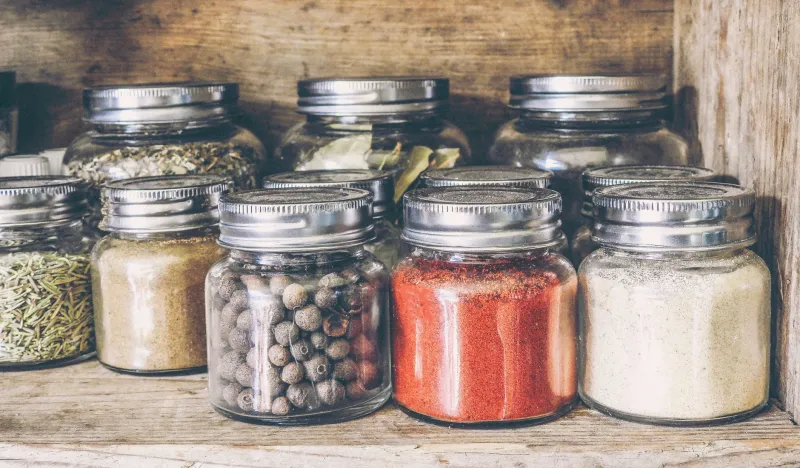
This isn't secrecy for secrecy's sake. It's protection. In communities where commercial margins are thin and differentiation matters, a distinctive preserved product can mean the difference between a family that thrives through winter and one that doesn't. When a grandmother refuses to write down her murabba proportions, she's not being coy — she's maintaining the only competitive advantage her household has in a crowded local market.
There's also something deeper going on. Knowledge in many Indian family structures carries relational weight. You don't just receive a recipe; you receive it from someone, in a context of trust and continuity. Sharing it freely with strangers would feel less like generosity and more like a betrayal of that relationship.
The American Open-Source Orchard
Contrast that with the ethos thriving in American gardening communities right now. Seed libraries, online forums, Instagram accounts dedicated entirely to heirloom fruit cultivation — the assumption built into all of it is that knowledge should flow freely. Share your failures. Document your successes. If you figured out how to cold-store a Himalayan peach variety through a Colorado winter, post the thread.
This openness has real advantages. American home gardeners have collectively built an astonishing body of accessible knowledge about growing fruit in non-traditional climates. Cultivars that would have died out in obscurity are being preserved precisely because someone, somewhere, decided to share. The community-sourced documentation around heritage peach varieties is genuinely remarkable.
But this culture also has a blind spot. The assumption that information wants to be free can slide easily into the assumption that all information should be free — including knowledge that other cultures haven't chosen to release. When American food enthusiasts pressure Indian cooks at farmers markets to explain their methods, or post "reverse-engineered" versions of traditional preparations without acknowledgment, the open-source ethos starts to look less like generosity and more like extraction.
What Gets Lost on Each Side
Here's the uncomfortable truth: both approaches have real costs.
Indian preservation traditions are already under pressure. Younger generations moving to cities, climate shifts affecting orchard yields, and the slow erosion of regional food culture mean that some of these guarded recipes may simply disappear — not because someone stole them, but because the chain of transmission broke quietly within the family itself. The very secrecy that protected the knowledge for generations can, under certain conditions, become the thing that ends it.
American open-sharing culture, for all its vitality, sometimes produces knowledge that's wide but not deep. Techniques get simplified for virality, context gets stripped out, and the result is a lot of people making a "Himalayan-inspired peach preserve" that bears only a passing resemblance to anything actually made in the Himalayas. The information travels, but something essential about it doesn't.
How to Learn Respectfully From a Closed Tradition
So what's the path forward for an American home cook or gardener who genuinely wants to learn from Indian peach culture without overstepping?
First, seek relationship before recipe. If you're lucky enough to connect with an Indian grower or cook who's willing to talk, treat that conversation as a beginning, not a transaction. Ask about their orchard, their family, their region. Let the knowledge come at whatever pace and depth they're comfortable with.
Second, read the scholarship. Indian food historians, ethnobotanists, and agricultural researchers have documented traditional practices in ways that are publicly available and properly contextualized. Books, academic papers, and regional food archives are legitimate entry points that don't require anyone to give up something they didn't want to share.
Third, build your own tradition instead of mimicking someone else's. The most interesting thing an American home gardener can do with Himalayan peach knowledge isn't to reproduce it — it's to let it inspire something new. What does a preservation technique look like when it meets your local fruit, your local pantry, your family's palate? That's a question worth pursuing on its own terms.
Finally, credit specifically and honestly. If your peach leather recipe was inspired by a technique you read about from Himachali orchardists, say that. Not as a legal disclaimer, but because it's true and because it honors the origin without claiming ownership of it.
The Middle Ground Nobody's Talking About
There's a version of this story that doesn't end in cultural standoff. Some Indian growers and cooks are actively choosing to share — through cookbooks, through food festivals, through collaborations with diaspora chefs who are building bridges between traditions. That sharing is happening on their terms, at their pace, and it's producing something genuinely exciting.
And some American gardeners are getting more thoughtful about the difference between inspiration and appropriation, between building on a tradition and flattening it.
The peach, after all, has always traveled. It moved from China through Persia to Europe, from colonial trade routes to Himalayan hillsides, from Indian immigrants' kitchens to American farmers markets. Every stop on that journey added something. The fruit didn't lose its history as it moved — it accumulated it.
Maybe that's the model worth borrowing. Not erasing where something came from. Not locking it away forever. But carrying it forward with enough care that the next person who encounters it can still taste where it's been.