Murabba, Leather, and Pickle: The Indian Art of Making Peach Season Last All Year
Peach season is cruelly short. You wait all year for it, and then suddenly you've got more ripe fruit than you can possibly eat fresh, and a week later it's over. If that cycle sounds familiar, you're not alone—and you're also not without options.
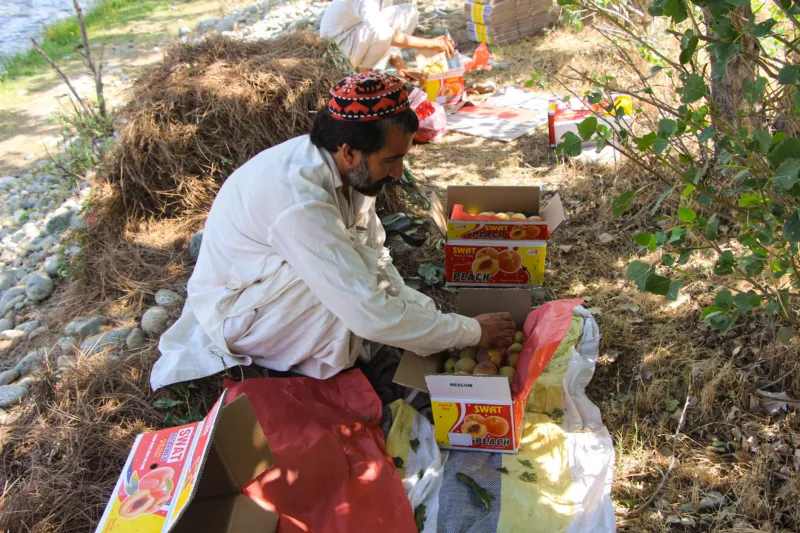
In the hill regions of Himachal Pradesh and Uttarakhand, where peaches have been grown for generations, letting the harvest slip away was never really acceptable. Families developed a whole ecosystem of preservation techniques—some centuries old, some adapted from broader South Asian culinary traditions—that turned a brief seasonal glut into a year-round pantry staple. These aren't museum pieces. They're living recipes, still made in home kitchens across northern India, and they translate beautifully to an American kitchen with a pile of summer peaches and a little time to spare.
Let's go through the main ones.
Murabba: The Preserve That Rewards Patience
If you've ever made jam, murabba will feel both familiar and completely different. Where jam is cooked fast and hot to set quickly, murabba is a slow game—fruit preserved in a thick, spiced sugar syrup over multiple days, developing a deeply concentrated flavor that no quick jam can match.
Traditionally made with raw or slightly underripe fruit (which holds its shape better through the long process), peach murabba has a jammy-but-chunky texture and a flavor that's simultaneously sweet, floral, and warmly spiced. It's eaten with flatbread, stirred into yogurt, spooned over ice cream, or simply eaten straight from the jar with a cup of chai.
Basic Peach Murabba
Makes about 3 half-pint jars
Ingredients:
- 2 lbs firm, slightly underripe peaches
- 2 cups granulated sugar
- 1 cup water
- 4 green cardamom pods, lightly crushed
- 1 small cinnamon stick
- 4 whole cloves
- 1 tsp fresh lemon juice
- Optional: a pinch of saffron bloomed in 1 tbsp warm water
Method:
Score each peach with a shallow X at the base, then blanch in boiling water for 30 seconds and transfer to an ice bath. Slip off the skins, halve the fruit, and remove the pits. (If you want to keep peaches whole in the traditional style, leave them intact after peeling.)
Combine sugar and water in a heavy-bottomed pot over medium heat, stirring until the sugar dissolves. Add the spices and bring to a gentle simmer. Add the peaches and cook on low heat, uncovered, for about 20 minutes—just until the fruit begins to soften. Remove from heat and let everything cool completely, then cover and refrigerate overnight.
The next day, use a slotted spoon to remove the peaches and bring the syrup back to a simmer. Cook until it thickens slightly, about 10 minutes, then return the peaches to the pot. Repeat this process—fruit out, syrup cooked down, fruit returned—for two or three more days. The syrup will become noticeably thicker and the fruit will look glossy and almost translucent.
On the final day, add the lemon juice and saffron (if using), bring everything to a full simmer for 5 minutes, then ladle into sterilized jars. Properly sealed, murabba keeps for up to a year in a cool, dark pantry. Refrigerate after opening.
Why it beats store-bought: Commercially made fruit preserves are almost always cooked fast at high heat. The slow murabba process develops layers of flavor that a 20-minute jam simply can't replicate. Once you've had it on buttered toast, you'll understand.
Peach Leather: The Original Fruit Snack
Long before fruit roll-ups showed up in lunchboxes, dried fruit leather was a staple preservation method across South Asia and Central Asia. The Indian version—sometimes called aam papad when made with mango, but equally wonderful with peaches—is simply pureed fruit, sweetened and spiced, dried slowly until pliable.
It's a fantastic way to use up overripe peaches that are too soft to preserve whole.
Spiced Peach Leather
Makes about 8 strips
Ingredients:
- 2 lbs ripe peaches, peeled and pitted
- 3 tbsp sugar (adjust to taste depending on sweetness of your fruit)
- 1 tsp ground ginger
- ½ tsp ground cardamom
- ¼ tsp chili powder (optional, but traditional—the heat is subtle and addictive)
- 1 tbsp lemon juice
Method:
Blend everything together until completely smooth. Taste and adjust sweetness or spice. Pour the puree onto a parchment-lined baking sheet and spread it into an even layer about ⅛ inch thick.
Dry in your oven at the lowest possible setting (ideally 140–170°F) for 4 to 6 hours, until the surface is no longer tacky and the leather peels cleanly from the parchment. If you have a food dehydrator, use it at 135°F for about 6 hours—the results are excellent.
Cut into strips, roll in parchment, and store in an airtight container at room temperature for up to a month, or freeze for much longer.
Peach Pickle: Not What You're Thinking
Indian pickle—called achar—is a world unto itself, and it's nothing like the dill pickles sitting in your refrigerator door. Achar is typically oil-based, intensely spiced, and fermented or cured rather than water-bath processed. The result is sharp, funky, deeply savory, and genuinely addictive. A small spoonful alongside rice and dal transforms a simple meal.
Peach achar is a northern Indian specialty, made with firm, tart peaches and a bold spice mix.
Quick Peach Achar
Makes about 1 pint
Ingredients:
- 1 lb firm, tart peaches, unpeeled, cut into ½-inch wedges
- 1½ tsp salt
- 2 tsp mustard seeds, coarsely ground
- 1 tsp fennel seeds, coarsely ground
- 1 tsp red chili flakes
- ½ tsp turmeric
- ½ tsp nigella seeds (kalonji)
- 3 tbsp mustard oil (or a neutral oil if mustard oil is hard to find)
- 1 tbsp apple cider vinegar
Method:
Toss the peach wedges with salt in a bowl and let them sit for an hour. They'll release liquid—drain this off. Warm the oil in a small pan until it just begins to shimmer, then remove from heat and add all the ground spices. Let the oil cool to room temperature.
Combine the spiced oil with the drained peaches and the vinegar, tossing well to coat. Pack into a clean glass jar. Leave it at room temperature for 24 to 48 hours, shaking the jar occasionally, before refrigerating. The flavor deepens noticeably over the first week.
Eat alongside grilled meats, scrambled eggs, cheese boards, or anywhere you'd use a condiment with some personality. Keeps refrigerated for up to a month.
Building a Peach Pantry
The real magic of these three methods is how differently they treat the same fruit. Murabba is slow, sweet, and contemplative. Leather is concentrated and snackable. Achar is punchy and savory. Together, they cover almost every corner of your kitchen—breakfast, snacks, condiments, desserts.
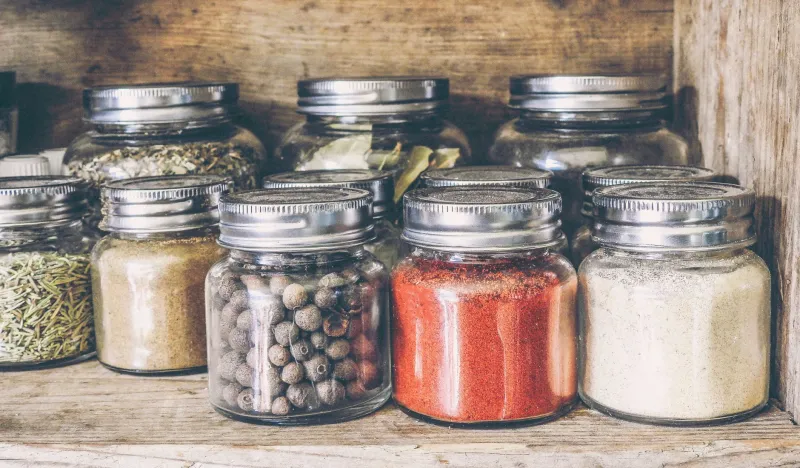
The other thing they share is that none of them require special equipment or hard-to-find ingredients. A heavy pot, a baking sheet, a few spice-drawer staples, and a surplus of summer peaches is all you need to stock your pantry the way Himalayan families have been doing it for generations.
Peach season might be short. But with a little effort, it doesn't have to feel that way.