What Makes a Himalayan Peach So Unforgettable? The Science and Soul Behind India's Alpine Fruit
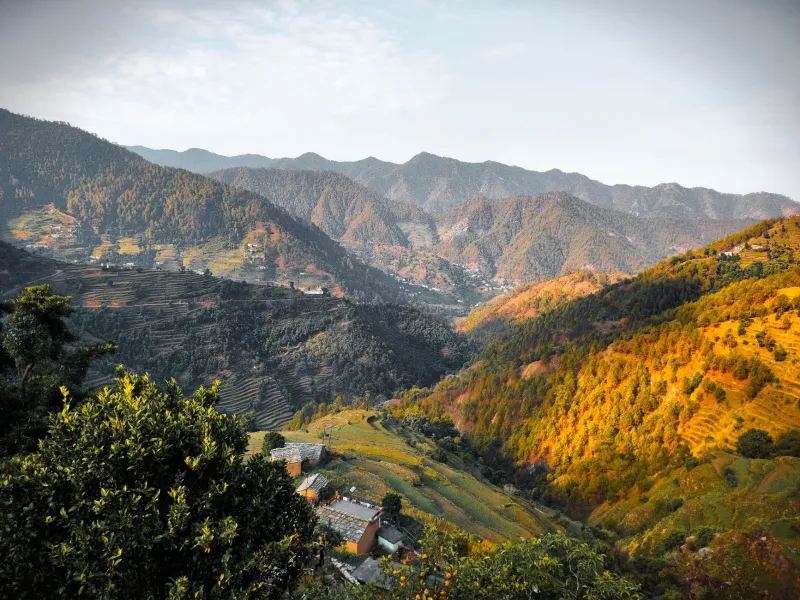
There's a moment — usually around late June in the Kullu Valley of Himachal Pradesh — when the air smells faintly of warm peach skin even before you see the trees. The orchards climb the hillsides in terraced rows, heavy with fruit that's been ripening slowly in thin mountain air. For anyone who's only ever eaten a California clingstone or a Georgia belle, tasting one of these Himalayan peaches for the first time is a bit of a revelation.
But what exactly makes them taste so different? Is it just romanticized travel nostalgia, or is there something genuinely distinct happening in the soil, the climate, and the hands that tend these trees? Spoiler: it's very much the latter.
Altitude Does Something Strange and Wonderful to Flavor
Let's start with the obvious variable: elevation. Most of India's major peach-growing regions — Himachal Pradesh, Uttarakhand, parts of Jammu and Kashmir, and the Nilgiri Hills in the south — sit anywhere from 3,000 to over 7,000 feet above sea level. That altitude isn't just a scenic backdrop. It fundamentally changes how a peach develops.
At high elevations, cooler nighttime temperatures slow the ripening process dramatically. Where a lowland peach might go from green to ripe in a matter of weeks, a Himalayan variety lingers on the branch, accumulating sugars gradually while retaining higher levels of natural acids. The result is a fruit with what flavor scientists call a more complex Brix-to-acid ratio — meaning the sweetness and tartness are more evenly balanced, rather than one overwhelming the other.
UV radiation is also stronger at altitude, and peaches respond to this stress by producing more anthocyanins and phenolic compounds — the same antioxidants that give the skin its deep blush and contribute aromatic volatiles that translate into that floral, almost honeyed perfume you notice before you even take a bite.
The Soil Story: More Than Just Dirt
Talk to Ramesh Thakur, a third-generation orchard keeper in Shimla district, and he'll tell you the land itself is doing most of the work. "My grandfather never used chemical fertilizers," he explains through a translator during a visit to his hillside plot. "The soil here has been building for a long time. We add cow manure and let the fallen leaves decompose. The trees know what they need."
That intuition tracks with soil chemistry. Himalayan orchard soils tend to be loamy and well-draining, rich in organic matter from decades of leaf litter and natural composting. They're often slightly acidic — a pH range of around 6.0 to 6.5 — which is considered ideal for peach trees. Crucially, the rocky, glacially-influenced subsoil forces tree roots to reach deep, drawing up trace minerals like calcium, magnesium, and potassium in proportions that affect both fruit structure and flavor.
This is terroir — the same concept wine drinkers apply to grapes — playing out in stone fruit. Just as a Burgundy pinot noir tastes different from a Willamette Valley version because of what's in the ground beneath it, a Shimla peach carries the mineral fingerprint of its mountain home.
Heirloom Varieties You've Probably Never Heard Of
American consumers are familiar with varieties like Elberta, O'Henry, and Redhaven. But India's Himalayan orchards grow a different cast of characters entirely, many of them heirloom or semi-wild cultivars that have been selected over generations for local conditions rather than commercial shelf life.
The Flordasun and Sharbati varieties, common in lower Himalayan zones, tend to be smaller and more aromatic than their American counterparts, with a melt-in-your-mouth texture that doesn't travel well — which is exactly why you've never seen them at a Whole Foods. Higher up, you'll find what locals simply call pahadi aadu (mountain peach), a catch-all term for semi-wild varieties that range from pale yellow-fleshed to deep crimson inside, each with its own intensity and personality.
Divya Negi, who grows organic peaches in Mukteshwar, Uttarakhand, describes one of her family's older trees as producing fruit that tastes "like a peach mixed with a rose and a little bit of apricot." That's not poetry — it's a real flavor profile produced by the specific combination of variety, microclimate, and soil that exists only on that hillside.
How Cultivation Traditions Shape the Fruit
Beyond the natural environment, the way these orchards are managed plays a significant role in what ends up on your plate. Many small Himalayan growers still practice traditional pruning techniques passed down through families, timing cuts according to seasonal rhythms rather than commercial schedules. Trees are often spaced wider than in high-density commercial orchards, allowing better air circulation and light penetration to every branch.
Harvesting is almost universally done by hand, and fruit is typically picked slightly underripe to survive the journey down winding mountain roads to market. This means the peaches finish ripening off the tree — a process that, when done right, still yields excellent flavor, though ideally you want to catch them at peak ripeness right at the source.
Water stress management is another traditional practice worth noting. Many Himalayan orchards rely on seasonal rainfall and glacial meltwater rather than heavy irrigation. Mild water stress at key points in the growing cycle is now understood by horticultural researchers to concentrate sugars and aromatic compounds in fruit — essentially, a little hardship makes for a more flavorful peach.
Finding Himalayan Peaches in the US
So how does an American peach enthusiast actually experience any of this? The fresh fruit rarely makes it to US shores — the logistics are simply too challenging for such a delicate product. But there are a few pathways worth exploring.
First, check out South Asian grocery stores and specialty importers in cities with large Indian-American communities — think Chicago's Devon Avenue, the Jackson Heights neighborhood in Queens, or the Artesia corridor in Southern California. Dried Himalayan peaches and peach-based preserves occasionally appear here, especially around summer harvest season.
Second, some farmers market vendors in California and the Pacific Northwest grow heirloom and heritage peach varieties that share similar flavor profiles with Himalayan types — look for terms like "low-chill heirloom" or ask vendors directly about varieties with high aromatic complexity.
Finally, if you want the closest domestic approximation to that mountain-grown flavor, seek out peaches grown at elevation in Colorado, New Mexico, or the foothills of the Sierra Nevada. The altitude effect is real, and you can taste it even at a few thousand feet.
A Simple Tasting Guide
When comparing peach varieties — whether Himalayan-inspired or domestic — here's what to pay attention to:
- Aroma before biting: High-elevation peaches tend to have a more pronounced, complex scent. If it smells mostly like "generic fruit," it probably grew fast and low.
- Skin-to-flesh contrast: Mountain varieties often have a slightly more tannic skin that contrasts beautifully with a sweeter interior.
- Finish: Does the flavor linger, or does it disappear quickly? Complexity usually means a longer, more interesting finish — a sign of those slowly accumulated phenolic compounds.
- Texture: Look for what Indian growers call ras wala — literally "juicy" — a texture that's yielding but not mushy, almost dissolving as you eat it.
The Himalayas may be half a world away, but their peaches carry a story in every bite — one written in soil chemistry, mountain air, and the patient hands of farmers who've been tending these orchards long before peach cobbler was ever invented.