Lessons from the Himalayas: How Indian Peach Farmers Are Beating Climate Change (And What You Can Steal for Your Backyard)
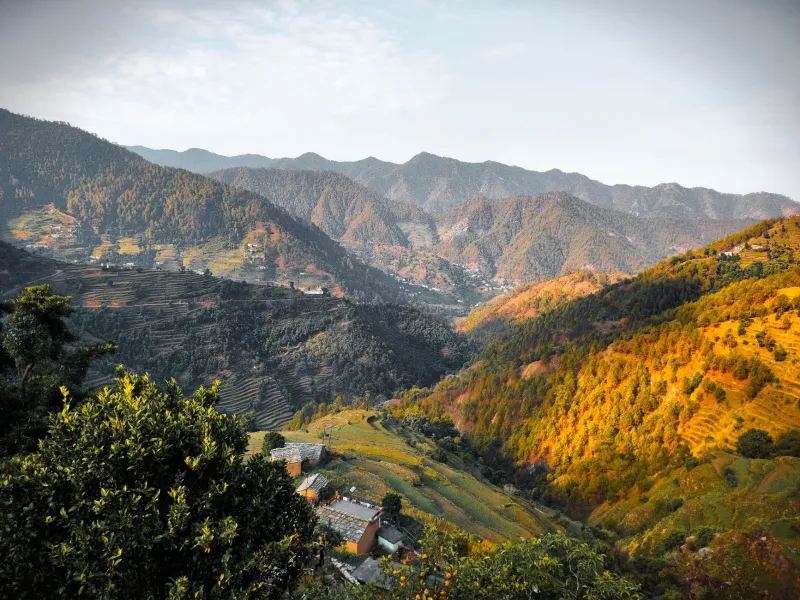
There's a kind of quiet urgency in the Kullu Valley these days. The same mountain slopes that have produced some of India's most prized peaches for generations are changing—winters are shorter, spring frosts arrive at strange times, and rainfall that once felt reliable now comes in fits and starts. For farmers who've spent their whole lives reading these hills, it's disorienting. But instead of giving up, many of them are adapting in ways that are genuinely inspiring—and surprisingly applicable to anyone growing peaches in a suburban yard in Georgia or a raised bed in the Pacific Northwest.
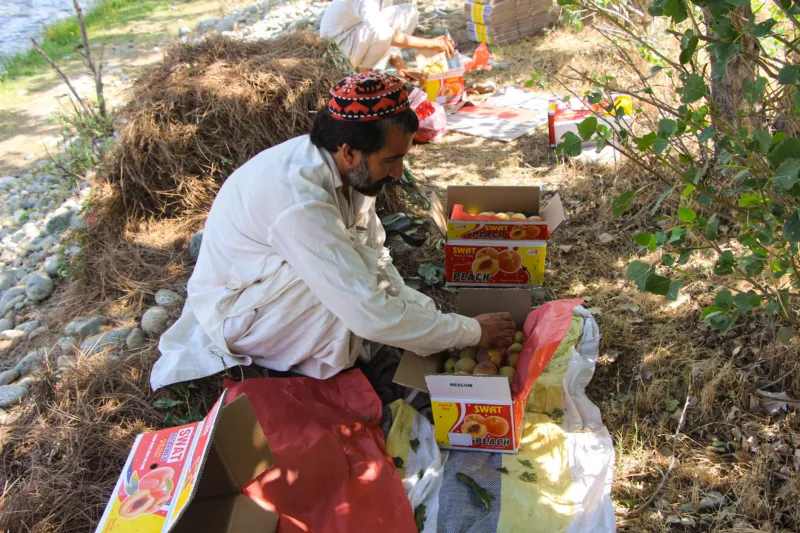
We talked to a handful of orchardists across Himachal Pradesh and Uttarakhand to understand what's actually shifting on the ground, and what they're doing about it. What came back wasn't doom and gloom. It was ingenuity.
The Problem on the Ground
Rajesh Thakur, who tends about two acres of peach trees outside Shimla, puts it plainly: "The chill hours are not what they used to be." Peaches need a certain number of cold hours during winter dormancy—typically between 32°F and 45°F—to set fruit properly the following season. When those hours shrink, trees either skip flowering or produce poorly. Thakur has noticed his trees blooming earlier, which sounds nice until a late frost wipes out the blossoms in a single night.
Farther north in Kinnaur, farmer Geeta Negi describes a different but related issue: erratic monsoons. "We used to know when the rains would come. Now it's either too much at once or nothing for weeks." That unpredictability stresses trees at critical moments—right when fruit is swelling and sugar is developing.
These aren't abstract climate statistics. They're the kind of changes that show up in a family's income and a region's food culture. And they're prompting farmers to get creative in ways that home gardeners can genuinely learn from.
Leaning Into Low-Chill Varieties
One of the most practical shifts happening across Himalayan orchards is a move toward peach varieties that don't need as many cold hours to produce well. Traditionally, farmers grew high-chill cultivars that thrived in the cold mountain winters. As those winters get milder, some growers are grafting in or trialing varieties that can handle a wider range of conditions.
This is directly relevant to American home gardeners, especially those in warmer zones like the Southeast or Southern California. If you've ever tried to grow a standard peach variety in USDA Zone 8 or 9 and watched it struggle, the solution Indian farmers are turning to is the same one extension services in the American South have been recommending for years: low-chill peaches. Varieties like 'Tropic Beauty,' 'FlordaPrince,' and 'Bonanza' are bred to fruit with fewer cold hours. The Indian experience reinforces that this isn't a compromise—it's smart adaptation.
Soil as a Buffer
Something that came up repeatedly in our conversations with Himalayan growers was the role of soil health as a kind of climate buffer. Deepak Verma, who farms in the Kangra Valley, started composting heavily about five years ago after noticing his trees were struggling through dry spells. "Better soil holds water longer," he says. "My neighbor's trees were wilting and mine were okay. The difference was the compost."
Science backs this up. Organic matter in soil increases its water-holding capacity significantly, which means trees have more moisture to draw on during dry stretches—and better drainage during heavy rain events. Verma now makes compost from apple pomace (a byproduct of nearby apple processing), kitchen scraps, and dried leaves. He applies a thick layer around the base of each tree in late fall.
For US home gardeners, this is one of the most actionable takeaways from the Himalayan experience. Building your soil with compost—whether homemade or bagged—before you even plant a peach tree pays dividends for years. A 3-to-4-inch layer of mulch around your tree (kept away from the trunk) does double duty: it retains moisture and slowly feeds the soil as it breaks down.
Preserving Heritage Varieties Before They're Gone
This is where the story gets a little bittersweet. Several farmers we spoke with mentioned local peach varieties that have existed in their valleys for generations—small, intensely flavored fruits with names that don't appear in any seed catalog. As commercial pressure mounts to grow larger, more uniform peaches for market, these old varieties are quietly disappearing.
Negi, in Kinnaur, has made it a personal mission to maintain a few trees of each local type on her property. "If we lose these, we lose something we can't get back," she says. She's right, and it's not just sentiment—heritage varieties often carry genetic traits (disease resistance, drought tolerance, unusual flavor profiles) that could prove invaluable as conditions keep shifting.
For American gardeners, the parallel is clear. Heirloom and heritage peach varieties—things like 'Indian Free,' 'Reliance,' or old regional cultivars—deserve a spot in home orchards. Organizations like the Seed Savers Exchange and various state agricultural universities maintain collections worth exploring. Growing one heirloom tree alongside a commercial variety isn't just a fun experiment; it's a small act of preservation.
Timing Is Everything
One adaptive trick several Himalayan farmers have adopted is adjusting when they prune. Traditional pruning calendars were built around predictable seasons. Now, some growers are waiting longer into winter before pruning, hoping to reduce the risk of new growth being caught by a surprise frost. Others are pruning in stages rather than all at once, which spreads out the tree's vulnerability window.
If you're in a region with unpredictable late frosts—think the Mid-Atlantic, the Midwest, or higher-elevation Western states—this is worth considering. Resist the urge to prune on the first warm February day. Wait until you're more confident the cold is done. Your buds will thank you.
Water-Wise Irrigation
Drip irrigation has been gaining ground in Himalayan orchards, partly because it conserves water and partly because it keeps leaves dry—reducing the risk of fungal diseases that tend to spike when rainfall is erratic. Thakur installed a basic drip system two seasons ago and says it's changed how he manages his trees. "I use less water and the fruit is better. I don't understand why I waited so long."
For US home gardeners, even a simple soaker hose looped around the drip line of a peach tree is a meaningful upgrade over overhead sprinklers. Wet foliage is an open invitation for peach leaf curl and brown rot, two of the most common headaches for backyard peach growers across the country.
The Bigger Picture
What strikes you, talking to these farmers, is that they're not waiting for someone else to solve the problem. They're experimenting, sharing knowledge with neighbors, and making peace with the fact that growing food has always required adaptation. The Himalayas have been feeding people for thousands of years precisely because the people who farm them have always been willing to adjust.
That's a pretty good model for anyone with a peach tree in their yard, wherever they happen to live.