7 Peach Recipes You've Never Thought to Make — Each One Rooted in Indian Culinary Tradition
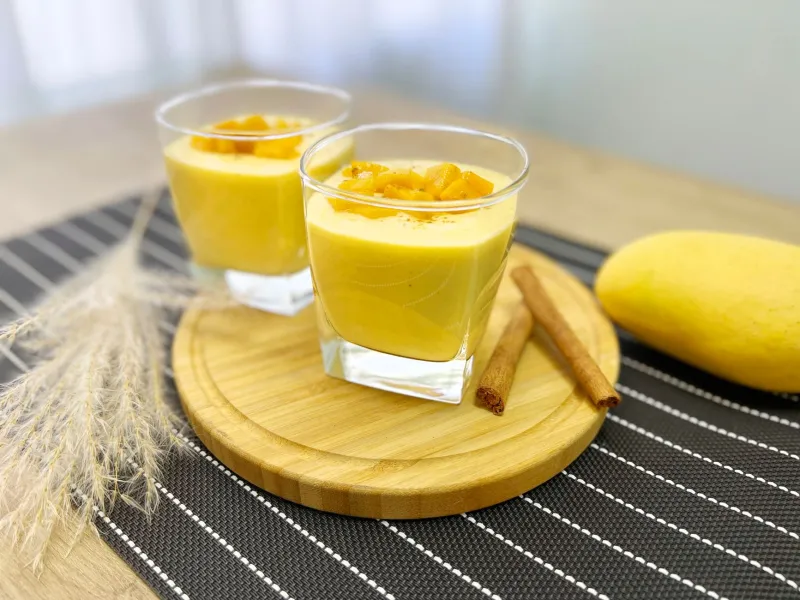
Peaches and cardamom. Peaches and chili. Peaches stirred into yogurt with a pinch of black salt that makes the whole thing taste somehow more like itself. If any of those combinations sound unfamiliar or even a little surprising, you're in exactly the right place.
Indian cooking has always had a sophisticated relationship with fruit — not just as dessert material, but as a layered ingredient that can be sweet, sour, savory, and spiced all at once. The peach, which thrives in India's Himalayan regions and has been woven into local food culture for centuries, is no exception. These seven recipes pull from different corners of Indian culinary tradition and adapt them for a US home kitchen, using ingredients you can find at any well-stocked grocery store or Indian market.
Let's get into it.
1. Peach-Cardamom Lassi
The Cultural Context: Lassi is the original Indian smoothie — a yogurt-based drink that's been cooling people down in the subcontinent for thousands of years. The sweet version, popular in Punjab and across North India, typically features mango, rose water, or plain sweetened yogurt. Cardamom is the spice that shows up again and again in North Indian sweets and drinks, prized for its cooling properties and floral depth.
Why It Works: Cardamom has a citrusy, almost eucalyptus-like quality that lifts stone fruit flavors beautifully. It cuts through the richness of full-fat yogurt and amplifies the floral aromatics already present in a ripe peach.
The Recipe: Blend 2 ripe peaches (peeled and pitted), 1 cup full-fat plain yogurt, ½ cup whole milk, 2 tablespoons honey, ¼ teaspoon ground cardamom, and a small pinch of saffron (optional but incredible) until completely smooth. Serve over ice, garnished with crushed pistachios and a light dusting of cardamom. Serves 2.
US Pantry Note: Find green cardamom pods or pre-ground cardamom at most grocery stores now — the Spice Islands brand works fine, but for better flavor, grab a fresh bag from your local Indian grocery.
2. Peach Achaar (Spiced Quick Pickle)
The Cultural Context: Achaar — Indian pickle — is one of the most misunderstood condiments in South Asian cuisine. It's not sweet like American bread-and-butter pickles. It's bracing, oily, fiery, and deeply savory, typically made with mustard oil and a complex spice blend. Raw mango is the classic base, but unripe or slightly firm peaches make a stunning substitute.
Why It Works: The natural tartness of a not-quite-ripe peach mirrors unripe mango's astringency. The mustard oil and whole spices penetrate the fruit quickly, creating something that tastes simultaneously ancient and surprising.
The Recipe: Slice 3 firm, slightly underripe peaches into wedges (skin on). Heat 3 tablespoons mustard oil in a small pan until it just begins to smoke, then remove from heat and cool for 2 minutes. Add 1 teaspoon black mustard seeds, ½ teaspoon fenugreek seeds, 1 teaspoon red chili flakes, ½ teaspoon turmeric, and 1 teaspoon salt. Stir in the peach slices, toss to coat, and transfer to a clean jar. Let sit at room temperature for 4 hours before serving. Refrigerate and use within 2 weeks.
Serving Suggestion: Spoon alongside grilled chicken, eat with flatbread, or try it on a cheese board — it's unexpectedly brilliant with aged cheddar.
3. Peach and Black Salt Yogurt Bowl
The Cultural Context: Black salt — kala namak in Hindi — is a volcanic rock salt with a distinctive sulfurous, eggy quality that somehow makes fruit taste more intensely fruity. It's a staple in chaat (Indian street food snacks) and is commonly sprinkled over sliced fruit sold by vendors across North India.
Why It Works: The savory-sulfurous note of black salt creates an umami-adjacent contrast that makes sweet peaches pop. It's the same principle behind salting watermelon — the salt amplifies rather than suppresses the sweetness.
The Recipe: Spoon 1 cup thick Greek yogurt (or strained dahi) into a bowl. Fan slices from 1 ripe peach on top. Drizzle with 1 tablespoon honey and 1 teaspoon rose water. Finish with a small pinch of kala namak, a few fresh mint leaves, and optionally a sprinkle of chaat masala for extra complexity. Serves 1.
US Pantry Note: Kala namak is available on Amazon and at any Indian grocery. A little goes a long way — start with less than you think you need.
4. Peach-Infused Masala Chai
The Cultural Context: Chai in India isn't a flavor — it's a method. The base is always strongly brewed black tea simmered with milk and sweetener, but the spice blend (masala) varies wildly by region and household. Fruit infusions aren't traditional in most chai preparations, but the concept of adding seasonal aromatics to the pot is deeply embedded in Indian culinary instinct.
Why It Works: Simmering fresh peach with ginger, cinnamon, and clove creates a natural fruit syrup that melds seamlessly with the tannins of black tea. The result is a chai that tastes autumnal and summery at the same time.
The Recipe: In a small saucepan, combine 1 cup water, 1 ripe peach (roughly chopped, skin on), 1-inch piece fresh ginger (sliced), 4 green cardamom pods (lightly crushed), 1 cinnamon stick, and 3 whole cloves. Bring to a boil, reduce heat, and simmer for 8 minutes. Add 2 teaspoons loose-leaf Assam tea (or 2 tea bags) and simmer 2 more minutes. Add 1 cup whole milk and bring back to a gentle simmer. Strain, sweeten with jaggery or sugar to taste, and serve hot. Serves 2.
5. Peach Raita with Roasted Cumin
The Cultural Context: Raita is a yogurt-based condiment that plays a cooling, balancing role in Indian meals — typically served alongside spicy curries or biryani. Fruit raitas, particularly with banana or pomegranate, are common in South Indian and Gujarati cooking.
Why It Works: The mild creaminess of yogurt and the smoky warmth of roasted cumin create a savory frame that makes the peach's sweetness feel intentional rather than out of place. This one doubles as a dip or a side salad.
The Recipe: Whisk 1½ cups plain whole-milk yogurt until smooth. Fold in 1 ripe peach (finely diced), 2 tablespoons fresh mint (chopped), and a pinch of sugar. In a dry skillet over medium heat, toast 1 teaspoon cumin seeds until fragrant, about 90 seconds. Grind coarsely and sprinkle over the raita along with a pinch of red chili powder and black salt. Chill for 20 minutes before serving. Serves 4 as a side.
6. Peach Shrikhand Parfait
The Cultural Context: Shrikhand is a thick, sweetened strained yogurt dessert from Maharashtra and Gujarat, traditionally flavored with saffron and cardamom. It's rich, velvety, and intensely fragrant — often served at festive meals and weddings.
Why It Works: Shrikhand's dense creaminess is the perfect counterpoint to the bright, juicy freshness of peach. Layering them parfait-style makes this approachable for American home cooks who might not be familiar with the original dish.
The Recipe: Strain 2 cups full-fat plain yogurt overnight in a cheesecloth-lined colander (or use labneh as a shortcut). Mix strained yogurt with 3 tablespoons powdered sugar, ¼ teaspoon cardamom, and a pinch of saffron bloomed in 1 teaspoon warm milk. In serving glasses, layer the shrikhand with sliced fresh peaches, crushed pistachios, and a drizzle of honey. Repeat layers and serve chilled. Serves 4.
7. Peach and Paneer Stuffed Paratha
The Cultural Context: Stuffed parathas — flatbreads filled with spiced vegetables, cheese, or legumes — are a breakfast institution across North India, especially in Punjab and Haryana. Sweet-and-savory fillings do exist in Indian bread traditions, and this recipe leans into that less-explored territory.
Why It Works: Paneer (Indian fresh cheese) is mild and slightly squeaky, much like a firm ricotta. Combined with barely-sweet peach and a hit of green chili and ginger, it creates a filling that's complex without being confusing.
The Recipe: Combine 1 cup crumbled paneer, ½ cup finely diced ripe peach, 1 teaspoon grated fresh ginger, 1 green chili (minced, seeds removed for less heat), 2 tablespoons fresh cilantro, and salt to taste. Divide whole wheat paratha dough (store-bought or homemade) into golf ball-sized portions. Roll each into a small circle, place a heaping tablespoon of filling in the center, fold and seal, then roll gently into a flat round. Cook on a hot cast-iron skillet with a small amount of ghee or butter until golden on both sides. Serve with plain yogurt or peach achaar (see recipe #2). Makes 6–8 parathas.
A Note on Sourcing and Substitutions
All seven of these recipes work beautifully with peak-season American peaches — look for freestone varieties at your local farmers market between June and August for the best results. If fresh peaches aren't available, frozen work surprisingly well in the lassi, chai, and raita. For the achaar and paratha, stick with fresh.
Most of the Indian pantry staples mentioned here — kala namak, cardamom, mustard oil, paneer, jaggery — are available at Indian grocery stores, which you can find in virtually every major US city, or through online retailers like iShopIndian or Amazon.
The point of these recipes isn't to be perfectly authentic — it's to show you a different way of thinking about a fruit you already love. Once you've had a peach with black salt, you'll never go back to eating it plain again.