Forget the Canning Jar: Why Home Cooks Are Turning to Indian Fermentation to Save Their Peach Harvest
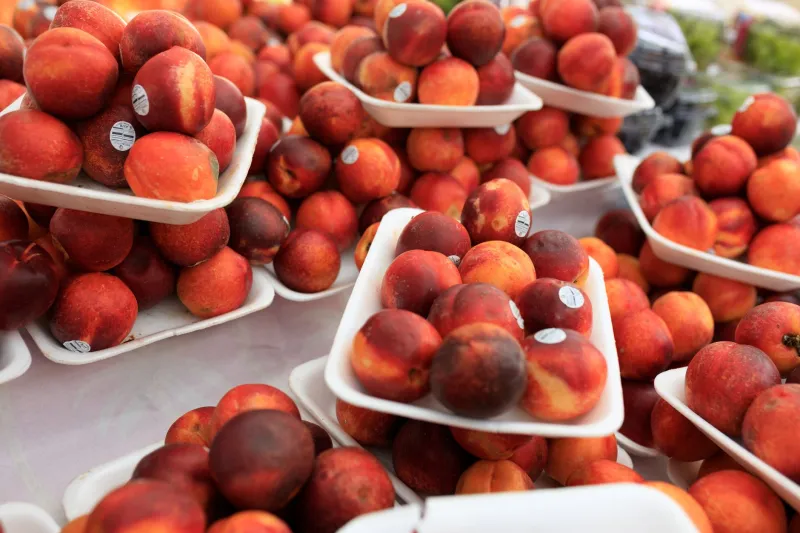
Every summer, the same ritual plays out in kitchens from Vermont to Oregon. A glut of ripe peaches arrives — from the backyard tree, the farmers market haul, or that one ambitious trip to a pick-your-own orchard — and the race begins. Cook them down. Add sugar. Sterilize jars. Hope the lids seal. Repeat until exhausted.
For decades, American home cooks have treated jam-making as the default answer to peach abundance. But something is changing. More and more people are stepping back from the canning pot and asking a pretty reasonable question: Is there a better way?
It turns out, there is — and it's been quietly practiced in Indian kitchens and Himalayan homesteads for centuries.
The Backlash Against the Jam Jar
The frustration with traditional preservation isn't hard to understand. Water bath canning demands precision, specialized equipment, and enough sugar to make your dentist nervous. Jam-making can easily turn a relaxing Sunday afternoon into a high-stakes, steam-filled ordeal. And after all that effort, what you often end up with is a product that tastes primarily of sweetness rather than the fruit itself.
"I love peaches, but I don't love that my jam tastes like peach-flavored candy," says Mara T., a home gardener in Asheville, North Carolina, who grows a Himalayan-descended cultivar she picked up from a specialty nursery two years ago. "I wanted to actually taste the peach — that tartness, that floral thing it has when it's just ripe. Jam kind of kills all of that."
Mara is not alone. Online communities dedicated to home fermentation and food preservation have seen a notable uptick in conversations about low-sugar and no-sugar peach preservation. And increasingly, the techniques people are landing on trace their roots back to South Asia.
What Indian Fermentation Actually Looks Like
In India — particularly in the hill states of Himachal Pradesh and Uttarakhand, where peaches have been cultivated for generations — preservation has never relied heavily on refined sugar or heat processing. Instead, traditional methods harness the power of naturally occurring lactobacillus bacteria, salt, and time.
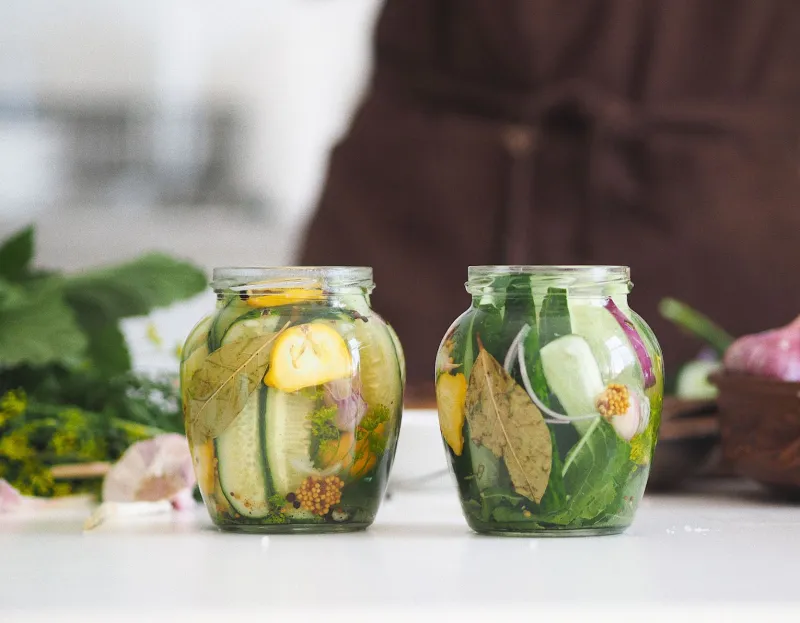
The result is something closer to a fermented peach pickle than a Western-style jam. Think firm, tangy wedges of peach preserved in a brine seasoned with mustard seeds, fenugreek, turmeric, and dried chilies. The lactobacillus bacteria consume the natural sugars in the fruit, producing lactic acid that preserves the peaches while simultaneously creating a complex, layered flavor profile you simply cannot achieve with heat and sugar alone.
This isn't just about taste. Lacto-fermented foods are rich in live cultures — the same probiotic organisms that have made kimchi, sauerkraut, and kefir household names in American wellness circles. The difference is that peach-based ferments bring a distinctly fruity, aromatic quality that fermented vegetables can't quite replicate.
Side by Side: Canning vs. Fermentation
Let's get concrete about what separates these two approaches.
Traditional Jam/Canning:
- Requires heat processing (often 10–20 minutes in a boiling water bath)
- Relies on high sugar content (often a 1:1 fruit-to-sugar ratio) for preservation and gel formation
- Destroys heat-sensitive vitamins and all live cultures
- Shelf-stable for 12–18 months when sealed correctly
- Equipment-intensive: canning jars, lids, bands, a large pot, jar lifter, funnel
- Flavor profile: sweet, cooked, spreadable
Lacto-Fermentation (Indian-style):
- No heat required — happens at room temperature
- Uses salt (typically 2–3% of total weight) rather than sugar as the primary preservation agent
- Preserves live cultures and many heat-sensitive nutrients
- Refrigerator-stable for several months once fermentation is complete
- Equipment: a clean glass jar and a kitchen scale
- Flavor profile: tangy, complex, savory-sweet, alive
The trade-off is shelf life. Lacto-fermented peaches need refrigeration after the active fermentation phase and won't last as long as a properly sealed jam jar in the pantry. But for many home cooks, that's an acceptable compromise — especially when the flavor payoff is this significant.
The Science Behind the Transformation
Here's the part that genuinely surprises people: fermentation doesn't just preserve peaches. It transforms them in ways that cooking cannot.
During lacto-fermentation, the lactobacillus bacteria break down some of the fruit's natural sugars and complex compounds, producing not just lactic acid but also a cascade of aromatic byproducts. Esters that contribute to floral notes become more pronounced. Certain bitter or astringent compounds mellow out. The result is a peach that tastes simultaneously more itself and more interesting — like a more dimensional version of the fresh fruit.
"There's a reason fermented foods have been central to preservation traditions all over the world," says food scientist and fermentation educator Priya Nandakumar, who teaches workshops on South Asian preservation techniques in the Bay Area. "It's not just about keeping food safe. It's about flavor development that you can't shortcut with heat or sugar. The microbes do the work, and they do it in ways we're still learning to understand."
How to Get Started: A Simple Himalayan-Inspired Peach Ferment
If you've never fermented anything before, peaches are a surprisingly forgiving starting point. Here's a basic method inspired by traditional Indian techniques:
What you'll need:
- 2 pounds firm, ripe peaches (slightly underripe is actually ideal — the firmer texture holds up better)
- 1 tablespoon non-iodized salt (kosher or sea salt)
- 1 teaspoon mustard seeds
- ½ teaspoon fenugreek seeds, lightly toasted
- ½ teaspoon turmeric
- 1–2 dried red chilies (optional but traditional)
- A clean quart-sized glass jar
The process:
- Wash and pit your peaches. Cut into wedges — no need to peel.
- Toss peach wedges with salt, mustard seeds, fenugreek, turmeric, and chilies.
- Pack tightly into your jar. Press down firmly so the peaches begin releasing their juice.
- If the peaches aren't submerged in their own liquid within a few hours, add a small amount of 2% salt brine to cover.
- Cover loosely (a cloth secured with a rubber band works well) and leave at room temperature — ideally 65–75°F — for 3 to 5 days.
- Taste daily. When the flavor is tangy and complex to your liking, seal the jar and move it to the refrigerator.
The result keeps well for up to two months in the fridge, and works beautifully alongside grilled meats, stirred into yogurt, or eaten straight from the jar over rice.
A Different Kind of Peach Season
What's really driving American home cooks toward these techniques isn't just a preference for lower sugar or better gut health — though both matter. It's a desire for a more genuine connection to the fruit itself.
Jam has its place. Nobody is suggesting you throw out your grandmother's recipe. But when you grow or source peaches with real character — the kind of deeply aromatic, complex fruit that comes from high-altitude orchards or carefully tended backyard trees — you want a preservation method that honors what's already there.
Indian fermentation traditions were built around exactly that principle. They developed in places where the fruit was worth preserving as itself, not as a vehicle for sugar. Bringing those techniques into an American kitchen isn't cultural appropriation — it's cultural appreciation, applied practically, one jar at a time.
Your peaches deserve better than candy. This summer, maybe let the microbes have a turn.