The Peaches Nobody Talks About Anymore: Tracing Heirloom Indian Cultivars and How American Cooks Are Bringing Them Back
Somewhere between the industrial peach orchard and the perfectly lit supermarket bin, a lot of history got lost. Not just stories, but flavors — actual tastes that existed for centuries and then, in the span of a few decades, nearly disappeared from the table entirely. We're talking about heirloom peach varieties: fruit that your great-grandmother might have cooked with, preserved in heavy syrup, dried on rooftops, or simmered into the kind of murabba that took a whole afternoon to get right.
For American home cooks with roots in South Asia, or simply for anyone curious about where our food actually came from, the story of these forgotten peaches is both a little heartbreaking and surprisingly hopeful.
A Fruit With a Long Memory
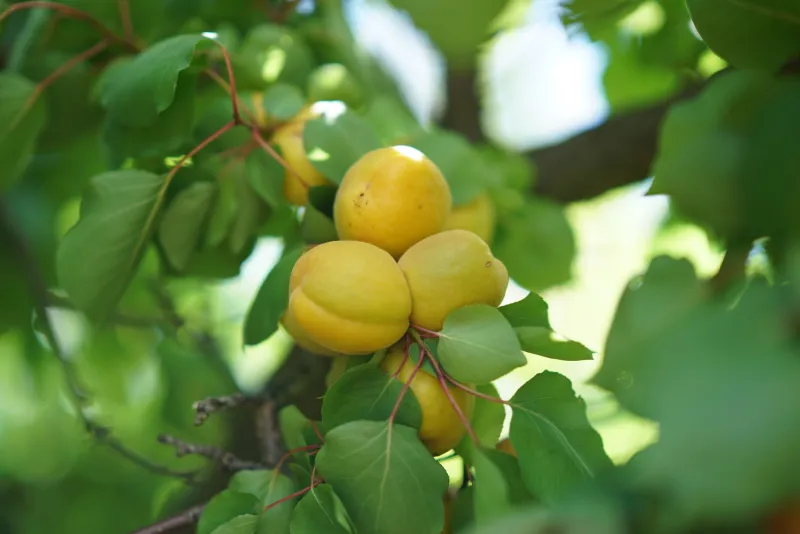
Peaches aren't native to India — they traveled there from China along ancient trade routes, probably arriving in the subcontinent sometime in the first millennium. But once they landed in the mountain valleys of what is now Himachal Pradesh, Uttarakhand, and Jammu & Kashmir, they adapted over centuries into something distinctly local. Farmers selected for fruit that could handle the specific conditions of high-altitude growing: shorter growing seasons, cold winters, thin soils, intense summer sun. Over generations, they developed cultivars that were smaller, more intensely flavored, and better suited to preservation than the large, water-heavy peaches we typically see in American stores today.
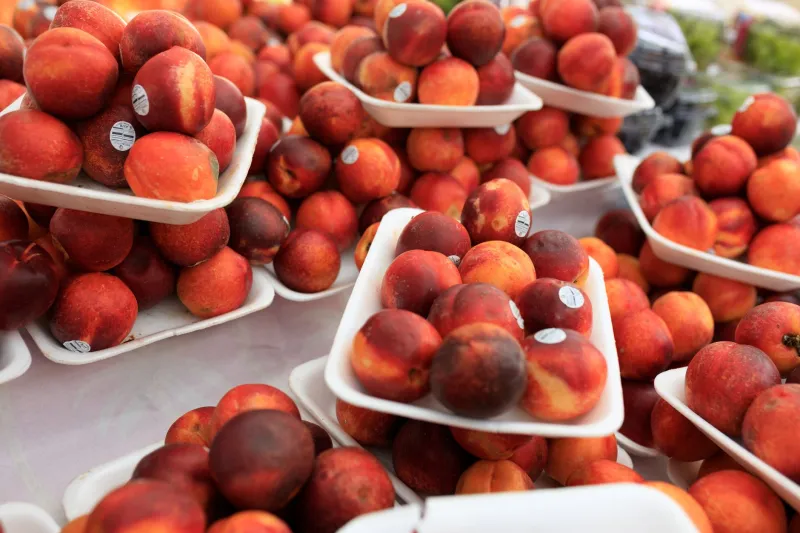
Many of these varieties carried names tied to the villages or valleys where they were developed — hyperlocal identities that made them nearly invisible to the broader agricultural world. Names like "Flordaprince" or "Reliance" dominate American peach catalogs. The old Indian cultivars? They rarely made it into print at all.
"A lot of this knowledge lived in oral tradition," says Priya Nair, a heritage fruit enthusiast based in the Hudson Valley who has spent the last several years tracking down and growing heirloom stone fruit varieties with South Asian origins. "You'd find out about a variety because someone's grandmother mentioned it, or because an old orchard in Kinnaur still had a few trees nobody had pulled out yet. It's detective work as much as gardening."
Why They Nearly Vanished
The decline of heirloom peach varieties in both India and the United States followed a similar script: commercial agriculture selected for traits that had nothing to do with flavor. Uniform size, firm flesh that could survive long-distance shipping, consistent ripening times that worked with industrial harvest schedules — these became the priorities. Old varieties that ripened unevenly, bruised easily, or produced smaller fruit got pushed aside, regardless of how extraordinary they tasted.
In India, the Green Revolution and subsequent agricultural modernization programs encouraged farmers to adopt improved commercial varieties, often at the expense of the diverse local cultivars that had been grown for generations. In the United States, the consolidation of nursery stock meant that home gardeners had fewer and fewer options outside the mainstream commercial catalog.
By the late twentieth century, many heirloom varieties existed in only a handful of places: aging trees in remote orchards, seed bank collections, and the gardens of a small number of dedicated preservationists who understood what was at stake.
What Makes These Varieties Worth Seeking Out
Ask anyone who's cooked with a genuine heirloom peach and they'll tell you the same thing: the flavor is different in a way that's hard to describe without resorting to superlatives. More complex. More aromatic. A balance of sweet and tart that commercial varieties rarely achieve.
From a culinary standpoint, many heirloom cultivars also have characteristics that make them genuinely better for specific preparations. Some have freestone pits that release cleanly — ideal for canning and drying. Others have lower water content, which means they hold their shape during cooking rather than collapsing into mush. A few have naturally higher pectin levels, which makes them exceptional for preserves without requiring added thickener.
"I made a batch of aamchur-inspired peach pickle last summer using a variety I got through a seed exchange — a small, yellow-fleshed cultivar that supposedly traces back to Kullu valley stock," says Deepak Sharma, a home gardener in Northern California who maintains what he calls a "living archive" of South Asian stone fruit varieties in his backyard. "The flavor was unreal. Tart, floral, with this almost apricot-like depth. My mother tasted it and started crying because it reminded her of something she'd eaten as a child in Shimla."
That kind of flavor memory — the way a taste can carry an entire world of association — is part of what drives the heirloom peach revival. It's not just nostalgia, though. It's the recognition that agricultural diversity is flavor diversity, and that we've lost something real by narrowing our fruit to a handful of commercial varieties.
How to Find Heirloom Peach Varieties in America Today
The good news is that the network for sourcing heritage peaches has grown substantially in the last decade, and there are real pathways for American home cooks and gardeners to access these varieties.
Specialty nurseries are the most straightforward starting point. A small number of nurseries across the country have made it their mission to preserve and propagate heirloom stone fruit. Nurseries like Raintree Nursery in Washington state, One Green World in Oregon, and Trees of Antiquity in California carry varieties that go well beyond the standard supermarket lineup. Call ahead and ask specifically about high-altitude or South Asian heritage varieties — not every nursery catalogs these prominently, but knowledgeable staff can often point you in the right direction.
Seed and scion exchanges are where things get really interesting. Organizations like the North American Scion Exchange and regional fruit tree networks facilitate the sharing of cuttings from rare and heirloom varieties that never make it into commercial catalogs. This is where dedicated enthusiasts trade material from trees that might represent the last surviving examples of a particular cultivar. The learning curve is steeper — propagating peaches from cuttings requires some skill — but the access to genuinely rare varieties is unmatched.
Indian-American community networks are an underappreciated resource. As Priya Nair puts it: "Go to Indian grocery stores in areas with large South Asian communities and start talking to people. Go to cultural festivals. Find the aunties who garden seriously. That's where the real knowledge lives." Community gardens in cities like Fremont, California; Edison, New Jersey; and Chicago's Devon Avenue corridor sometimes maintain fruit trees that came from seeds or cuttings brought over by immigrants — living links to varieties that no nursery catalog has ever heard of.
Farmers markets in peach-growing regions can also yield surprises. Small orchards in the Carolinas, Georgia, and the mid-Atlantic states sometimes grow varieties that were popular before commercial standardization and have never quite disappeared from regional cultivation. Ask about the variety name and its history — you might find something with a longer lineage than you'd expect.
Cooking With What You Find
When you do get your hands on genuine heirloom peaches, treat them with respect. These aren't fruits that need a lot of intervention — their flavor is the point. A simple preparation that lets the peach lead is almost always the right call.
For preserving, heirloom varieties with lower water content make extraordinary murabba — the slow-cooked Indian preserve where whole or halved fruit is simmered in spiced syrup until translucent and intensely flavored. For fresh eating, slice them thin and eat them with a pinch of chaat masala and a squeeze of lime. For baking, their higher natural acidity means you can often reduce added sugar without losing balance.
And if you find a variety that really moves you, consider growing it yourself. Even a single tree in a backyard or a container on a patio can keep a piece of culinary history alive — and give you something to share with the next generation of cooks who deserve to know what a real peach can taste like.