Before It's Sweet, It's Useful: The Indian Case for Cooking With Peaches You'd Never Eat Raw
There's a moment most American home cooks know well. You pick up a peach at the farmers market, give it a gentle squeeze, and put it back. Not yet. You do this for three days in a row. On day four, it's finally perfect — golden, fragrant, yielding — and you eat it standing over the kitchen sink because there's no better way.
That ritual is almost sacred in American food culture. Ripeness equals reward. Sweetness is the whole point.
Now imagine doing the opposite. Imagine reaching for that same peach on day one — still firm, still faintly green around the stem, with a tartness that makes your jaw tighten — and heading straight to the stove. That's not a mistake in Indian cooking. That's the plan.
Two Cultures, One Fruit, Completely Different Instincts
The gap between how Indian and American cooks approach peach ripeness isn't just a quirk. It reflects two deeply different relationships with fruit as an ingredient.
In the United States, peaches are primarily dessert fruit. They peak in July and August, and the entire culture around them — the county fair pies, the peach cobbler at the church potluck, the ice cream topping — assumes maximum sugar content. American recipes are almost universally written with ripe-to-overripe fruit in mind. A peach that isn't soft is considered a peach that failed.
In the Himalayan regions of India where peaches have been cultivated for centuries — Himachal Pradesh, Uttarakhand, parts of Kashmir — the fruit serves a far broader culinary function. Yes, ripe peaches get eaten fresh. But the firm, underripe ones? They're the workhorses. They go into chutneys and achaar (pickles), into slow-cooked curries and dal, into tamarind-laced condiments that balance sweet, sour, and heat in a single spoonful. The tartness isn't a flaw to be waited out. It's a flavor the cook is actively seeking.
"In my grandmother's kitchen in Shimla, a peach that was too soft was actually less useful," says Priya Mehta, an Indian-American chef based in Portland, Oregon, who grew up spending summers in Himachal Pradesh. "She'd use the firm ones for cooking and preserve them in spiced syrup. The ripe ones might get eaten by the kids. But the real cooking? That happened earlier in the ripening window."
What Underripe Peaches Actually Taste Like — and Why That Matters
If you've only ever eaten peaches at peak ripeness, you might assume underripe means flavorless. It doesn't. A firm peach has a bright, almost citrusy acidity, a faint grassy note, and a structural integrity that holds up beautifully under heat. It won't dissolve into mush when you sauté it. It won't release so much liquid that it throws off a sauce.
That texture and tartness are exactly what Indian recipes are designed around. A classic aam ki chutney — typically made with mangoes but often adapted for peaches in mountain regions — relies on the fruit's acidity to balance sugar and spice. A peach achaar gets its complexity from the interplay between the fruit's natural sourness and the mustard oil, fenugreek, and red chili it's packed with. A ripe peach would taste cloying in that context. An underripe one tastes electric.
Food historian and cookbook author Shalini Rao, who has spent years documenting culinary traditions in the Himalayan foothills, puts it plainly: "Indian cooking is built on balance. You need something sour to anchor the sweet, something firm to contrast the soft. Underripe peaches do both at once. They're not a compromise — they're a deliberate choice."
How Harvest Timing Shifts When You Cook This Way
This preference has real implications for anyone growing peaches at home, and it's one of the more practical takeaways for American gardeners who've planted Himalayan cultivars or who find themselves with more fruit than they know what to do with.
In commercial American orchards, fruit is typically harvested close to peak ripeness — or just before, to survive transport. For home growers, the temptation is to wait for that same window. But if you're thinking like an Indian cook, you can start harvesting earlier and stagger your use of the fruit across a longer season.
Pick some peaches when they're still firm and greenish. Use those for savory applications: a quick peach chutney with ginger and mustard seeds, a peach and tomato curry, or a spiced pickle that you'll be reaching for well into fall. Let the rest ripen fully for eating fresh or baking into something sweet. Suddenly your harvest window doubles, and you're wasting far less fruit.
Three Ways to Start Cooking With Underripe Peaches Right Now
You don't need to overhaul your entire approach to fruit. Start small. Here are three entry points that make the Indian preference for firm peaches immediately useful in an American kitchen:
Quick Peach Chutney: Dice two or three firm peaches and cook them down with a tablespoon of mustard seeds (bloomed in oil), fresh ginger, a pinch of turmeric, a dried red chili, and a splash of apple cider vinegar. Add a little brown sugar to taste. The result is a condiment that works on grilled chicken, cheese boards, or a simple piece of toast. The tartness of the underripe fruit is what gives it life.
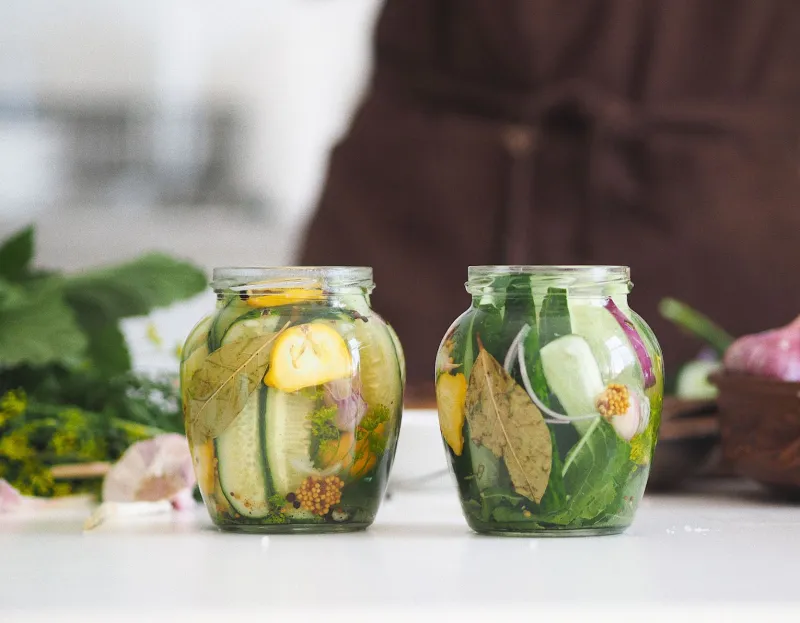
Peach and Onion Achaar: Slice firm peaches thin, toss with salt, and let them sit for an hour. Drain, then pack with mustard oil, fenugreek seeds, fennel, and red chili flakes. Let it sit in the fridge for two to three days before eating. This is a revelation alongside rice and dal.
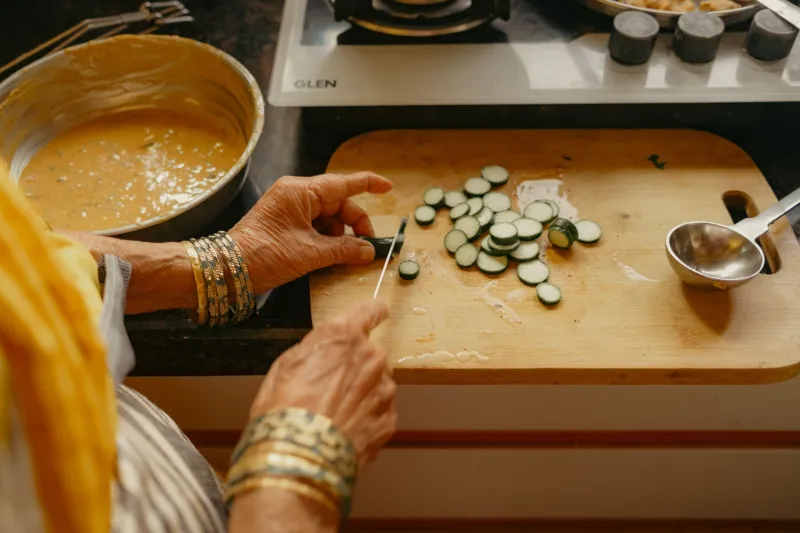
Peach in Curry: Add cubed underripe peach to a simple tomato-based curry in the last ten minutes of cooking. The fruit holds its shape, absorbs the spices, and adds a sour brightness that you'd otherwise get from tamarind or amchur (dried mango powder). It works especially well with chicken or chickpeas.
Rethinking What "Ready" Really Means
There's a broader lesson here that goes beyond any single recipe. American food culture tends to treat ripeness as a finish line — the moment a fruit becomes worth eating. Indian culinary tradition treats ripeness as a spectrum, with different points along that arc suited to different purposes.
A peach that's three days from perfect sweetness isn't a peach that failed to ripen. It's a peach with a specific flavor profile and texture that happen to be ideal for savory cooking. Once you start seeing it that way, you'll find yourself looking at the fruit bowl differently — not with impatience, but with options.
Next time you're tempted to squeeze that farmers market peach and put it back, consider picking it up anyway. Not because it's ready to eat. Because it might be ready to cook.