Your Himalayan Peach Tree Is Thriving — So Why Does Everything You Cook With It Taste Flat?
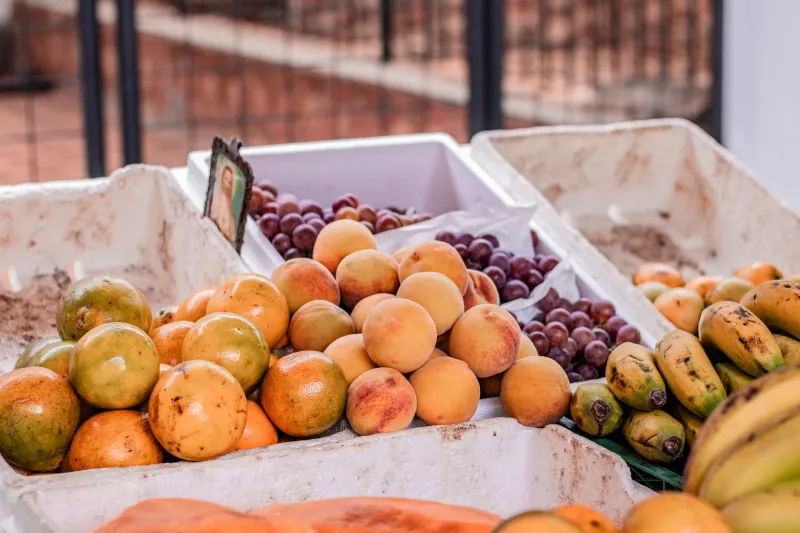
You did everything right. You sourced a Himalayan peach variety, coaxed it through a couple of uncertain winters, and this summer your tree delivered. The fruit is gorgeous — blushed, fragrant, smaller than the grocery store peaches you grew up with, and somehow more alive looking. You picked a bowlful, headed inside, and tried to make something worthy of the effort.
Then came the letdown.
The jam tasted thin. The crumble was fine but forgettable. The smoothie was just... a smoothie. Nothing captured that floral, almost spiced complexity you expected from a variety that supposedly tastes like the mountains it came from.
Here's the thing: your peach didn't fail you. Your kitchen did — or more accurately, your kitchen wasn't set up to speak its language.
The Flavor Is There. The Framework Isn't.
Himalayan peach varieties — the kinds cultivated across Himachal Pradesh, Uttarakhand, and parts of Kashmir — were never bred for the American dessert tradition. They weren't developed to be folded into a buttery pie crust or blended into a vanilla-forward cobbler. Their flavor profile evolved alongside a completely different culinary vocabulary: cardamom, saffron, dried ginger, black pepper, mustard oil, and cooking techniques that emphasize low heat and long time.
When you drop one of these peaches into a standard American recipe, you're essentially asking it to perform in a show it was never rehearsed for. The fruit's more delicate aromatics — the ones that make it special — get bulldozed by butter and brown sugar, or worse, they evaporate entirely under high oven heat before they ever had a chance to shine.
This isn't a flaw in the fruit. It's a mismatch between the ingredient and its culinary context.
The Spice Connection
If you've ever eaten a good Indian peach murabba — that slow-cooked preserve made with whole spices — you already know what these varieties are capable of. The fruit practically opens up under the influence of cardamom and a touch of saffron. The flavor deepens, gets more complex, and that floral quality you sensed in the raw fruit suddenly has room to breathe.
The spice isn't masking anything. It's completing a flavor circuit that was always partially open.
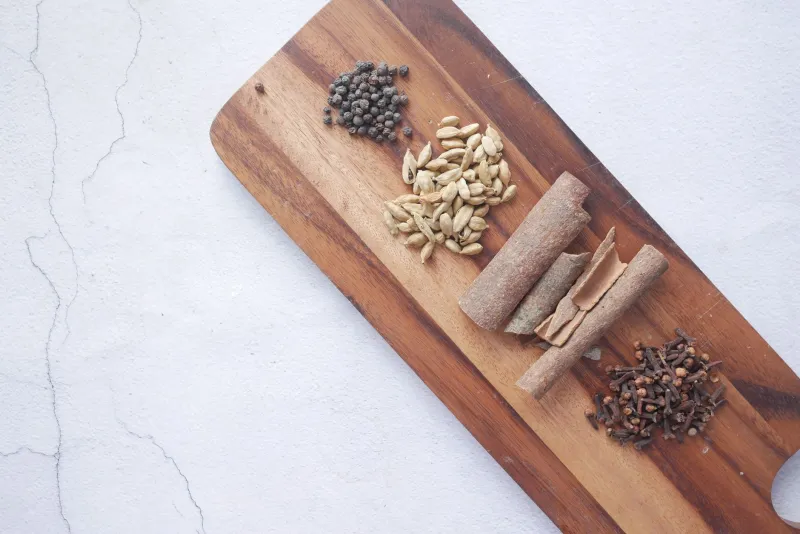
For American home cooks, the practical takeaway is this: before you reach for cinnamon (which tends to dominate), try green cardamom. Before you add vanilla extract, steep a few strands of saffron in warm water and use that liquid instead. A pinch of white pepper in a peach sauce sounds strange until you taste it and realize it's doing exactly what the fruit needed.
These aren't exotic substitutions for the sake of novelty. They're the actual flavor partners these peach varieties were cultivated alongside for generations.
Heat and Time: The Two Dials You're Probably Misreading
American baking culture tends to run hot and fast. A 375°F oven for 35 minutes. A quick stovetop jam that comes together in under an hour. These timelines work beautifully for high-sugar, high-pectin fruits bred for exactly that kind of cooking.
Himalayan peaches are different. They're lower in sugar, more delicate in texture, and their aromatic compounds are genuinely volatile — meaning they disappear quickly under aggressive heat. Traditional Indian preparations account for this by going low and slow. A murabba might simmer on the gentlest possible flame for the better part of an afternoon. A peach chutney gets cooked down slowly, stirred often, never rushed.
If you want to adapt this for your kitchen without committing to an all-day project, try a 325°F oven instead of 375°F for any baked application. On the stovetop, use the lowest flame your burner will hold and give your peach dish at least twice the time you'd normally allow. You'll be surprised how much more flavor survives the process.
The Vessel Question Nobody Talks About
This one sounds almost too simple to matter, and yet it consistently makes a difference: what you cook in changes how these peaches taste.
Traditionally, Indian peach preparations use heavy-bottomed brass or iron cookware that distributes heat evenly and holds temperature steadily. The modern American equivalent — a thin stainless saucepan that scorches on the bottom while staying cool on the sides — creates uneven cooking that can either caramelize the fruit too aggressively in spots or leave it underdeveloped elsewhere.
A good enameled cast iron Dutch oven is the closest American kitchen workhorse to what traditional Indian cooks use for this kind of preparation. It holds heat evenly, encourages gentle simmering, and won't react with the fruit's natural acids. If you've been making peach dishes in a lightweight pan and wondering why the results feel inconsistent, switching vessels alone might change your experience significantly.
A Practical Starting Point: The One-Pot Spiced Peach Reduction
If you want a single recipe to test this whole framework, try this:
Halve and pit about a pound of your Himalayan peaches. Place them cut-side down in a lightly oiled enameled Dutch oven over very low heat. Add three or four green cardamom pods (lightly crushed), a small cinnamon stick, and a tablespoon of raw honey. Cover and let them slowly release their liquid — this takes about 20 minutes at a genuine low simmer.
Once the fruit is soft, remove the lid, add a small pinch of saffron that you've pre-bloomed in two tablespoons of warm water, and let the whole thing reduce slowly for another 10 to 15 minutes. Finish with a squeeze of lime (not lemon — lime's sharper acidity plays better with these varieties) and a very small pinch of white pepper.
Serve it over Greek yogurt, spoon it onto flatbread with a little fresh cheese, or eat it straight from the pot. Either way, you'll finally taste what your tree has been trying to tell you all season.
The Bigger Picture
There's something genuinely exciting happening in American home kitchens right now. Cooks who started growing Himalayan peach varieties for the novelty or the climate resilience are now bumping up against this exact flavor puzzle — and solving it by reaching toward Indian culinary tradition in ways that feel natural and rewarding rather than performative.
You don't need to overhaul your cooking style or stock an entirely new pantry. You just need a few key adjustments: the right spice partners, lower heat, more time, and a vessel that cooperates. Once those pieces click into place, the gap between your thriving garden and your disappointing kitchen closes fast.
Your peach was never the problem. It just needed you to learn its language.