Less Sugar, More Soul: How Himalayan Peaches Are Quietly Rewriting the American Dessert Playbook
There's a moment every baker knows. You follow the recipe exactly — same measurements, same oven temp, same trusted pie dish your grandmother used — and something still feels off. The filling is too sweet, or the spices are fighting the fruit instead of supporting it, or the whole thing just tastes like a dessert trying too hard.
For a growing number of American pastry chefs and home bakers, that nagging feeling finally made sense the day they switched to Himalayan peach varieties. Turns out, the problem wasn't the recipe. It was the peach.
The Fruit That Changed the Formula
Himalayan peaches — varieties that trace their origins to high-altitude orchards in India's northern states, places like Himachal Pradesh and Uttarakhand — carry a flavor profile that's genuinely different from the commercial peaches most American bakers grew up using. They tend to be more aromatic, less aggressively sweet, and loaded with a kind of floral tartness that conventional supermarket peaches rarely deliver.
That difference doesn't just affect how they taste out of hand. It changes how they behave in the oven.
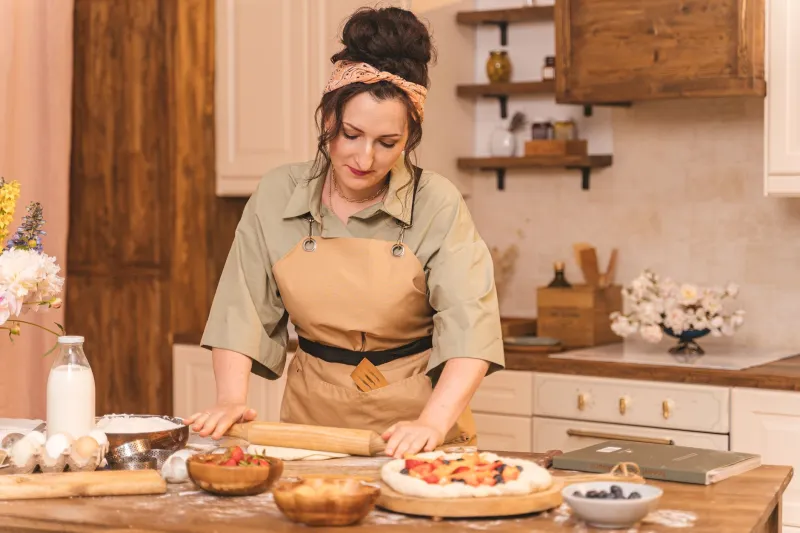
Sarah Mendes, a pastry chef based in Portland, Oregon, started experimenting with Himalayan varieties after a local grower brought samples to her farmers market stall two summers ago. "I made my standard peach galette and it was almost too bright," she says. "Like, the fruit was doing so much on its own that all the sugar I'd added was suddenly in the way. I had to go back and rebuild the whole recipe from scratch."
That rebuilding process, it turns out, is exactly what makes baking with these peaches so interesting.
Why Your Old Recipe Needs a Rethink
Most classic American peach dessert recipes — cobblers, crisps, pies, upside-down cakes — were developed around commercial peach varieties bred for yield, shelf life, and a reliable sweetness that holds up through cold storage and long transport. To coax flavor out of those fruits, bakers learned to lean heavily on added sugar, warm spices like cinnamon and nutmeg, and thickeners like cornstarch or tapioca that compensate for the high water content.
Himalayan varieties flip those assumptions on their head.
Because they're typically grown at elevations where cooler temperatures slow the ripening process, these peaches develop sugar more gradually and retain more of their natural acids. The result is a fruit that's intensely flavorful without being cloying — and one that doesn't need nearly as much help from the pantry.
Home baker and food blogger Priya Chandrasekaran, who runs a small peach orchard in the foothills of Northern California, has been documenting her dessert experiments online for the past three years. She estimates she's reduced the sugar in her standard peach pie filling by nearly a third since switching varieties. "At first I was nervous," she admits. "You're trained to think that less sugar means less flavor. But with these peaches, less sugar means you can actually taste the peach."
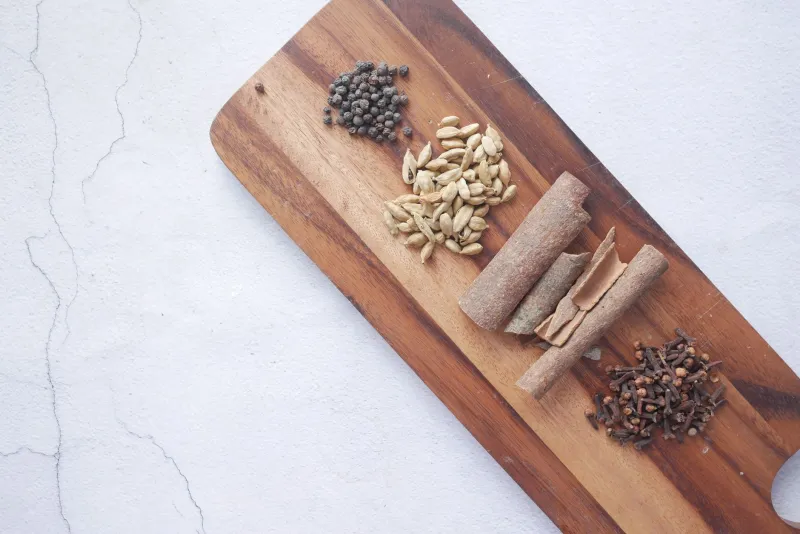
Her spice ratios shifted too. The heavy cinnamon hand that works beautifully with a mild commercial peach tends to bulldoze the more delicate floral notes in Himalayan varieties. Priya now reaches for cardamom first — a nod to Indian culinary tradition — and uses cinnamon as an accent rather than a lead. "It feels more honest to the fruit," she says.
Rethinking the Crust Conversation
It's not just the filling that's getting a makeover. Several bakers who've spent time cooking with Himalayan peaches say the fruit's changed how they think about crust, too.
Because these varieties tend to release less liquid during baking — a product of their lower water content compared to many American commercial peaches — the soggy-bottom problem that haunts so many home pie bakers becomes much less of an issue. That means you don't necessarily need to pre-cook the filling, blind-bake the crust, or load up on thickeners. The fruit does more of the structural work on its own.
Daniel Forsythe, a pastry instructor at a culinary school in Chicago, has started incorporating this point into his teaching. "I tell my students that the crust philosophy you use should be informed by the fruit you're working with," he says. "With Himalayan peaches, you can afford a more delicate, buttery crust because the filling isn't going to turn into soup on you. It changes the whole textural conversation."
He's also noticed that these peaches hold their shape better through the bake, which opens up presentation possibilities that don't work as well with softer, juicier commercial varieties. Tarts, in particular, benefit — the sliced fruit stays defined and doesn't collapse into a jammy mess.
Temperature and Timing: The Variables Nobody Talks About
Here's something most peach dessert recipes never mention: the variety you're using should influence your oven temperature. It sounds fussy, but it makes real practical sense.
The higher sugar concentration in Himalayan peaches means they can caramelize faster than you'd expect. Bakers who've learned this the hard way — a beautiful golden crust hiding a slightly scorched filling — now tend to drop their oven temperature by 10 to 15 degrees and extend the baking time slightly. The slower bake lets the fruit's aromatics develop fully without burning off.
Sarah Mendes puts it simply: "With these peaches, patience is the secret ingredient."
A New Dessert Language, Rooted in an Old Tradition
What's happening in these kitchens — both professional and home-based — is actually something pretty exciting. American bakers aren't just swapping one peach for another. They're being pushed to develop a new dessert vocabulary, one that's more responsive to the specific character of the fruit in front of them rather than a fixed set of rules applied regardless of ingredient.
In a way, it's a lesson that Indian culinary tradition has always understood. In the orchards of Himachal Pradesh, cooks have spent generations learning to work with peaches as they actually are — not as a generic sweet fruit requiring a standard formula, but as a dynamic ingredient that changes with altitude, season, and variety. That sensitivity to nuance is baked into the food culture in a way it hasn't always been in American baking.
But it's getting there. One cobbler at a time.
If you've got Himalayan peaches sitting on your counter right now — whether from a farmers market, a specialty grower, or your own backyard tree — resist the urge to reach for your usual recipe. Taste the fruit first. Adjust your sugar down. Try cardamom. Trust a lower oven temperature. And see what happens when you let the peach lead.
You might end up with something that tastes less like a recipe and more like a discovery.