Beloved in the Kitchen, Invisible at the Farm Stand: The Strange Double Life of Himalayan Peaches in America
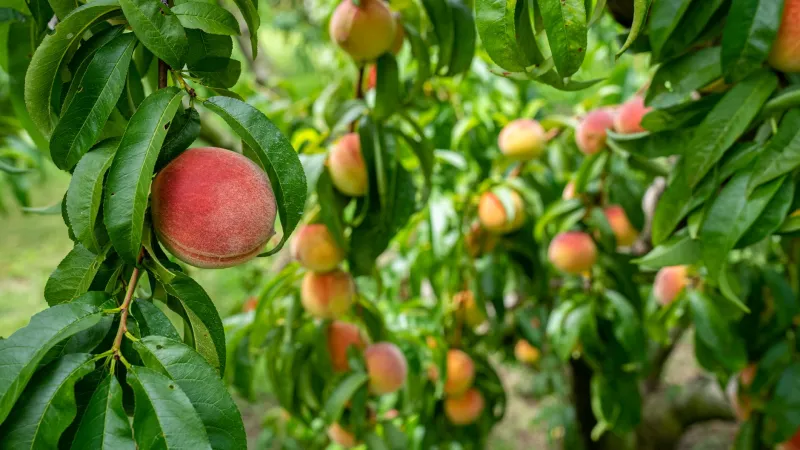
Ask anyone who's grown a Himalayan peach variety in their backyard, and you'll hear the same story: the fruit is extraordinary. Fragrant, complex, sweet with a little edge of something almost floral — nothing like what you pull off a supermarket shelf in July. Ask those same growers if they've ever seen those varieties at a farmers market or specialty grocery store, and you'll get a very different answer.
You won't find them. Barely anywhere, anyway.
This is the strange paradox at the heart of Indian peach cultivation in the United States. Varieties that trace their roots to the high-altitude orchards of Himachal Pradesh and Uttarakhand are thriving in American backyards, showing up in home kitchens, and inspiring some genuinely exciting cooking. Yet commercially, they're almost entirely absent. The gap between culinary success and agricultural viability is wide — and the reasons behind it say a lot about how our food system works, and doesn't.
What Makes Himalayan Peaches So Good in the Kitchen
The flavor profile of high-altitude Indian peach varieties is genuinely distinct. Grown in conditions where cool nights, intense sunlight, and mineral-rich soils converge, these fruits develop sugar-acid balances and aromatic compounds that commercial American varieties — bred primarily for shelf life and uniformity — simply don't prioritize.
Chefs who've worked with them tend to get almost philosophical about it. "There's a depth there," says one New England-based chef who sources from a small Vermont grower. "You cook with a Himalayan-type peach and the flavor holds up. It doesn't just disappear into the sugar."
That staying power matters enormously in the kitchen. Whether you're making a reduction, a chutney, a preserve, or even a savory glaze for grilled meat, you need a fruit that brings something to the table. These peaches do. Their aromatic intensity survives heat in a way that softer, high-water-content commercial varieties often don't.
For home cooks, that translates into recipes that actually taste like something. The Indian culinary tradition around peaches — think murabba, spiced preserves, fermented chutneys — developed partly because the fruit itself could handle those bold treatments. When American home cooks start applying those same techniques to Himalayan-heritage varieties grown in their own yards, the results tend to be genuinely impressive.
So Why Can't You Buy Them Anywhere?
Here's where the paradox kicks in hard.
The very qualities that make these peaches exceptional in the kitchen create serious problems for commercial growers. Start with yield. High-altitude Indian varieties tend to produce less fruit per tree than mainstream commercial cultivars. When you're farming at scale, that math is brutal. Lower yield means higher cost per unit, which means either charging prices the market won't bear or absorbing losses you can't sustain.
Then there's the matter of shelf life. Himalayan peaches, by and large, are not built for travel. Their thinner skins and higher aromatic oil content make them more susceptible to bruising and faster to overripen. The commercial peach supply chain in the US is designed around fruit that can handle being picked slightly underripe, packed into crates, driven hundreds of miles, and still look presentable on a shelf four days later. These peaches were never bred for that. They were bred for flavor.
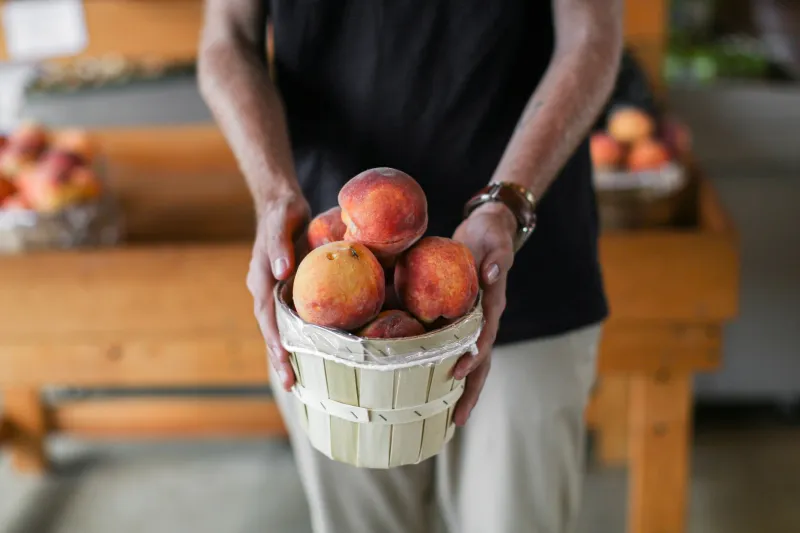
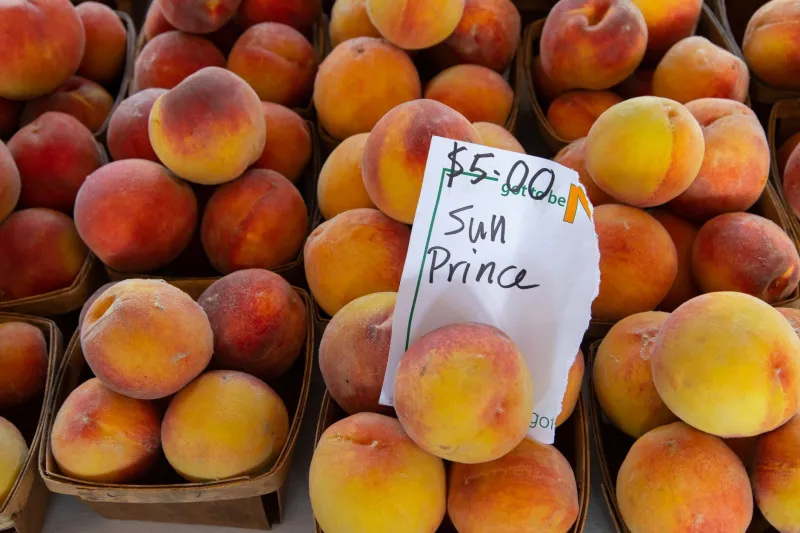
Small growers who've tried to bring them to market describe a logistical headache that's hard to overstate. "I had a great crop two summers ago," says a grower in the foothills of western North Carolina who asked to remain anonymous. "Beautiful fruit. I brought a flat to the farmers market and sold out in forty minutes. But I also lost probably twenty percent of what I picked just getting it there in decent shape. There's no margin in that."
Agricultural economists who study specialty fruit crops point to infrastructure as a compounding problem. The cold storage systems, grading equipment, and distribution networks that make commercial peach farming viable are calibrated for standard varieties. Adapting them for niche cultivars requires investment that most small operations simply can't justify without consistent, guaranteed demand.
The Labor Equation Nobody Talks About
There's another layer to this that doesn't get discussed enough: labor intensity.
Himalayan peach cultivation, as practiced in India, is deeply hands-on. Orchards in Himachal Pradesh rely on careful hand-pruning, attentive thinning, and harvest timing that requires experienced eyes rather than mechanical efficiency. Translating that approach to an American agricultural context — where labor costs are dramatically higher and skilled orchard workers are increasingly scarce — changes the economics entirely.
A backyard grower with two or three trees can afford to give each peach real attention. A commercial farmer with twenty acres cannot, at least not without charging prices that push the fruit firmly into luxury territory. And while there's absolutely a market for premium specialty produce in the US, it's a narrow one, concentrated in urban areas and dependent on the kind of consistent supply that small specialty orchards struggle to deliver.
The Backyard Loophole
What's fascinating — and genuinely hopeful, if you care about food diversity — is that the home garden context completely sidesteps most of these barriers.
A backyard grower isn't worried about shelf life because the fruit goes straight from tree to kitchen. They're not calculating yield per acre because they're not selling anything. Labor intensity becomes a feature rather than a cost — tending a few beloved trees is a pleasure, not an overhead line item. And the infrastructure problem simply doesn't exist when your distribution network is a walk across the yard.
This is why Himalayan peach varieties are quietly spreading through American home gardens even as they remain commercially invisible. Gardeners share seeds and cuttings. Online communities dedicated to heirloom and heritage fruit trees have become hubs for exactly this kind of knowledge exchange. People who've tasted the fruit once — at a neighbor's table, at a farm-to-fork dinner, from a jar of homemade preserve — want to grow it themselves.
The result is a distributed, informal network of cultivation that keeps these varieties alive and evolving in American soil, even without any commercial infrastructure to support them.
What It Would Take to Change Things
Could Himalayan peach varieties ever make it to mainstream American markets? Probably not at scale — at least not without significant breeding work to improve shelf life and yield, which risks diluting the very qualities that make them worth seeking out in the first place.
But at the margins? There's real possibility. A handful of small operations are experimenting with direct-to-consumer models — CSA-style subscriptions, preorders, farm pickups — that bypass the traditional supply chain entirely. Some are partnering directly with chefs who can absorb the unpredictability of a specialty crop in exchange for access to something genuinely exceptional.
The Indian culinary tradition has always understood that the best peaches are worth a little extra effort. Maybe the American food world is slowly catching up to that idea — one backyard tree at a time.
For now, though, the paradox holds. These peaches are thriving in American kitchens and struggling in American orchards. And honestly? There might be something worth preserving in that tension. Not every great ingredient needs to be scalable. Some things are better when they're a little hard to find.