Cheap to Grow, Expensive to Buy: The Himalayan Peach Pricing Puzzle Playing Out at US Farmers Markets
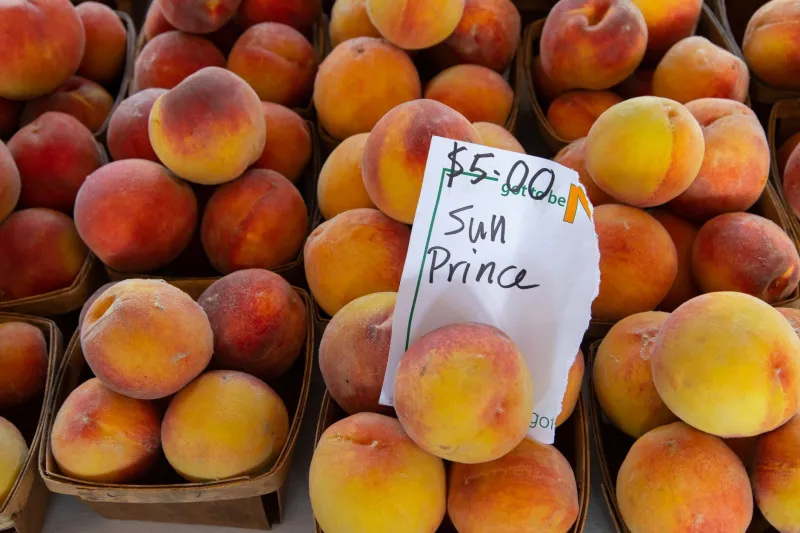
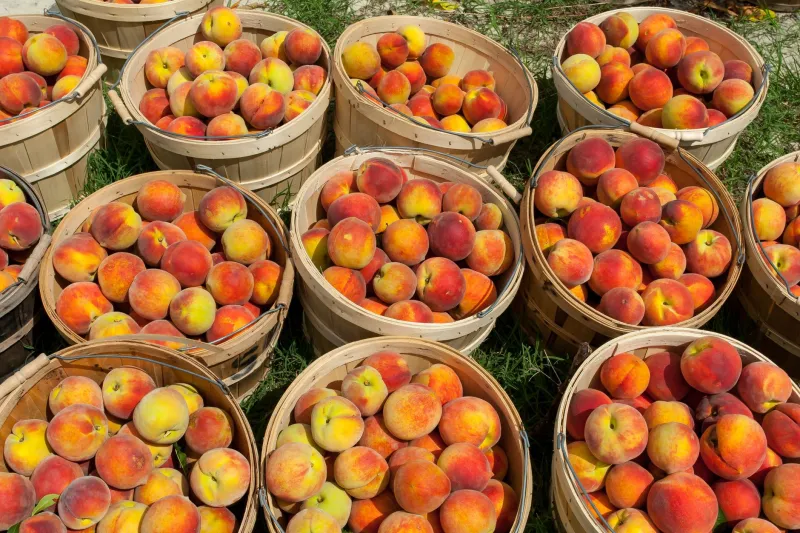
Walk through a well-stocked farmers market in Portland, Asheville, or the Hudson Valley on a Saturday morning and you might spot them: small wooden crates of peaches with handwritten signs that say something like Himalayan Heritage Variety or Indian Alpine Cultivar. The price tags? Easily $6 to $8 a pound — sometimes more. Compare that to the $2.99 conventional peaches at the grocery store two miles away, and a reasonable person starts to wonder what exactly is going on.
Here's the twist: the growers selling those pricey Himalayan varieties often spend less money raising them than a conventional peach farmer spends on a standard commercial crop. Less chemical input, less intervention, fewer headaches. So why does the fruit cost more at the point of sale? And why, at the same time, are many of these growers still struggling to break even?
The answer lives somewhere at the intersection of agricultural infrastructure, consumer perception, and a food system that was never really built with heritage fruit in mind.
What Makes Himalayan Varieties Cheaper to Grow
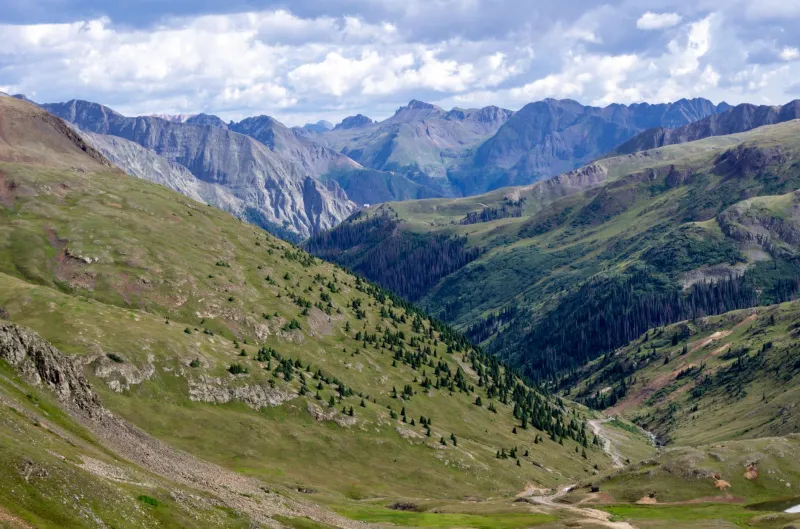
The peach varieties that originated in India's high-altitude regions — places like Himachal Pradesh, Uttarakhand, and parts of Jammu & Kashmir — evolved over centuries in conditions that don't exactly coddle them. Harsh winters, rocky soil, dramatic temperature swings, and minimal chemical support from traditional farmers shaped cultivars that are, in a word, tough.
That toughness translates directly into lower input costs. Growers in the US who have adopted these varieties — often in mountain states like Colorado, upstate New York, and parts of the Pacific Northwest — consistently report using fewer fungicide applications than they would with commercial varieties like Redhaven or Contender. Pest pressure is measurably lower, partly because the fruit's natural chemistry is less appealing to certain insects, and partly because the trees tend to be grown in smaller, more biodiverse settings that don't invite the monoculture pest explosions common in large orchards.
One small-scale grower in western North Carolina put it simply: "I spray maybe twice a season, sometimes not at all. My neighbor growing conventional peaches is out there six, seven times. That's a real cost difference."
Fewer sprays means lower chemical bills, less labor, and — for growers pursuing organic certification — a faster path to that premium label. The trees themselves also tend to require less aggressive pruning regimens and show better natural resistance to some of the fungal diseases that plague commercial operations.
So Why Do They Cost More at the Stand?
If the production economics favor the grower, the distribution economics absolutely do not.
American food infrastructure was built around scale. Grocery supply chains, wholesale distributors, even the USDA grading standards for peaches are calibrated for large, uniform, commercially bred fruit. Himalayan varieties often don't fit that mold — they're smaller, sometimes irregular in shape, and they ripen on a schedule that doesn't align neatly with the windows that big buyers want to fill.
That means most small growers with Himalayan cultivars have only one viable sales channel: direct-to-consumer. Farmers markets, CSA boxes, farm stands, and relationships with chefs at farm-to-table restaurants. These channels are valuable, but they're also expensive to maintain. Market fees, transportation, the labor of actually standing at a booth for six hours — it adds up fast.
"I'm not pricing high because I'm greedy," said one grower who sells at two markets in the Denver metro area. "I'm pricing high because I have no other option. If I sold to a wholesaler, I'd lose money on every box."
Agricultural economists who study specialty fruit markets point to what they call the infrastructure gap — the missing middle layer between small heritage growers and mainstream retail. In India, traditional peach-growing communities have centuries of localized market relationships, cooperative structures, and direct community ties that help move fruit efficiently. In the US, that connective tissue simply doesn't exist for niche cultivars, so every cost falls on the grower or gets passed to the consumer.
The Premium Perception Problem
There's another layer here that's worth sitting with: the way American consumers understand price.
For most shoppers, expensive produce signals quality, but it can also signal inaccessibility. Specialty food retailers who carry Himalayan peach varieties — and there are more of them than you might expect, especially in cities with strong South Asian communities or robust food culture scenes — describe a consistent dynamic. Customers who know what they're looking at will pay without hesitation. Everyone else sees the price and walks past.
"Education is everything," said the buyer for a specialty grocery in Chicago's Logan Square neighborhood. "Once I explain the story — the altitude, the cultivation method, why this fruit is different — people are in. But I have to tell the story every single time."
This is where the economics get genuinely strange. The very features that make Himalayan peaches cheaper to grow — the lack of chemical inputs, the traditional cultivation methods, the low-intervention approach — are precisely the features that justify the premium price in the eyes of informed consumers. But without the story, the fruit just looks small and expensive.
What Growers Are Doing About It
Some of the more entrepreneurial growers have figured out that the product itself isn't the whole business. Value-added goods — preserves, dried peach slices, shrubs, spiced chutneys inspired by Indian culinary tradition — extend the harvest and carry better margins than fresh fruit. A jar of Himalayan peach murabba can retail for $12 to $18 and has a shelf life that fresh fruit never will.
Others are leaning into the direct relationship model hard, building email lists, offering orchard tours, and creating the kind of connection with customers that makes price feel secondary to experience. A handful of growers have started cooperative arrangements, pooling their harvests to meet the minimum volume requirements that some wholesale buyers need — essentially creating the infrastructure gap-filler that the market hasn't provided.
Agricultural extension programs in a few states have started paying attention, too. Researchers in California and New York are studying whether heritage Indian cultivars could offer a sustainable alternative for growers facing increasing costs from climate-related pest pressure. If the economics pencil out at scale, the premium pricing at the farmers market stand might eventually give way to something more accessible.
The Bigger Picture
The Himalayan peach pricing paradox isn't really about peaches. It's a window into the broader tension in American food — between a system optimized for cheap, uniform, abundant produce and a growing consumer appetite for fruit with a story, a place, and a growing method that doesn't cost the earth.
For now, the growers carrying these varieties are doing something important: keeping knowledge alive, building a market that didn't exist a decade ago, and proving that a peach from the high slopes of the Himalayas can find a home in an American backyard and on an American table.
The price tag is high. But the reasons behind it are worth understanding — and maybe even worth paying for.