Thriving in Your Backyard, Stuck at the Gate: Why Himalayan Peach Varieties Can't Make the Jump to Market
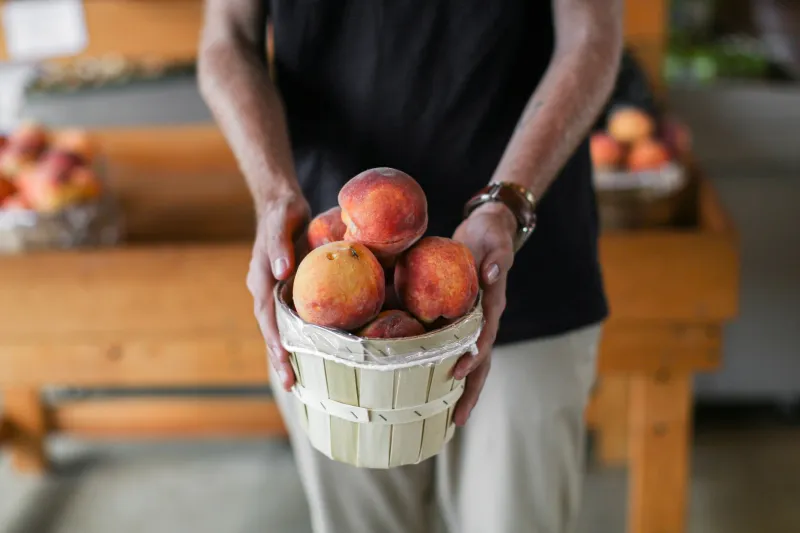
There's a particular kind of satisfaction that comes from biting into a peach you grew yourself — especially when that peach traces its lineage back to the high-altitude orchards of Himachal Pradesh or Uttarakhand. American home gardeners who've taken the plunge on Himalayan cultivars often describe the same experience: the tree adapts, the fruit comes in heavy, and the flavor is unlike anything sitting in a grocery store bin. It feels like a secret worth sharing.
And yet, when those same gardeners try to take their harvest beyond the backyard fence — to a farmers market stall, a local food co-op, or even a roadside stand — things get complicated fast. The peaches that thrived in your raised beds or sloped backyard somehow don't translate into a commercial proposition. That gap between personal abundance and public availability isn't accidental. It's the product of several overlapping realities that most home growers only discover after their first bumper crop.
The Looks-Don't-Lie Problem
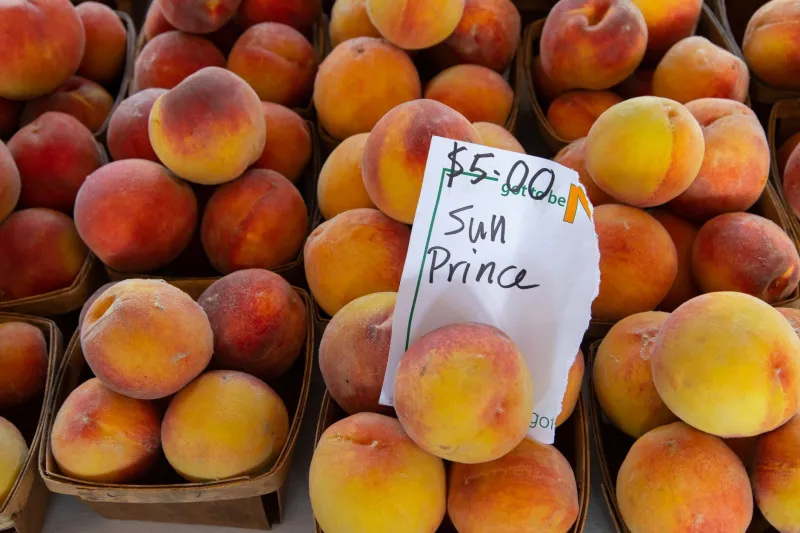
Farmers market shoppers, however adventurous they like to think they are, still buy with their eyes first. Himalayan peach varieties were never bred for visual uniformity. They come in irregular sizes, with skin tones that range from dusty blush to deep merlot, and they bruise easily — a feature of their thin skin that actually contributes to that intense, almost floral sweetness. At a market table surrounded by picture-perfect California clingstone peaches, they tend to look like the odd ones out.
This isn't just aesthetics. Consumer expectation in the US produce market is heavily shaped by decades of supermarket standardization. Shoppers have been trained to associate visual consistency with quality, and anything that deviates — no matter how superior the flavor — has to work harder to earn trust. For a first-time vendor with a table full of knobby, varied Himalayan fruit, that's a tough sell without serious storytelling infrastructure behind it.
The Clock Is Always Running
Here's the practical wall that stops most backyard growers cold: Himalayan peach cultivars don't hold. Where a commercial freestone variety might stay market-ready for a week or more after picking, many Indian high-altitude varieties are at their peak for two to three days — sometimes less. They ripen fast, soften fast, and don't travel well even short distances without bruising.
Commercial distribution in the US is built around shelf life. Produce that can't survive a truck ride to a regional distribution hub, sit in cold storage for several days, and still look appealing on a display shelf is essentially invisible to the mainstream supply chain. Even small-scale farmers market vendors need fruit that holds from Friday harvest to Saturday morning setup. When your peaches are past their prime by Sunday afternoon, the math doesn't work.
This is actually one of the reasons Himalayan peaches taste so good when you grow them yourself — you eat them at the exact right moment, straight from the tree or within hours of picking. That window of perfection is a feature of the fruit's biology, but it's a liability in any commercial context.
Regulatory Layers You Didn't Plan For
Selling produce, even at a small farmers market, involves more paperwork than most backyard growers anticipate. Depending on your state, you may need a cottage food license, a certified scale, liability insurance, or compliance with local agricultural regulations around pesticide use and labeling. If you're growing varieties propagated from imported seeds or cuttings — which many Himalayan cultivar enthusiasts are — there can be additional questions about plant material documentation that get complicated quickly.
None of this is insurmountable, but it adds friction. And for someone who just wanted to share genuinely exceptional fruit with their community, navigating state ag department requirements can feel like a strange reward for doing something right.
What You Can Actually Do With All Those Peaches
Here's the reframe: the commercial market's loss is your kitchen's gain. The same qualities that make Himalayan peaches difficult to sell — their intensity, their brief window of perfection, their tendency to ripen all at once — make them extraordinary to cook with.
Preserve them at peak. The day your tree drops a full flush of ripe fruit is the day to make murabba, peach butter, or a spiced syrup. Indian preservation traditions were built around exactly this kind of abundance, and a few hours of kitchen work can stretch a single harvest across months of use.
Gift them strategically. A small bag of Himalayan peaches handed to a neighbor or friend with a note about where they came from and how to eat them — immediately, over the sink — is one of the most generous food gifts you can give. You're not selling; you're curating an experience.
Build a swap network. Across the US, informal produce-sharing communities have grown up around exactly this kind of backyard abundance. Neighborhood apps, community garden networks, and local food Facebook groups are full of people who'd trade their Meyer lemons or heirloom tomatoes for a few days' worth of your Himalayan peaches. These exchanges operate outside commercial frameworks entirely, which means none of the regulatory friction applies.
Feed your ferments. If you're already dabbling in home fermentation, Himalayan peaches make a compelling addition to shrubs, tepache-style drinks, and even experimental vinegars. The high sugar content and complex aromatics give fermented preparations a depth that commercial peach varieties rarely match.
The Bigger Picture
There's something quietly meaningful about the fact that these peaches flourish in American backyards but struggle to penetrate American markets. It suggests that the value they carry isn't really commercial in nature — it's relational. The best way to share a Himalayan peach is in person, at the right moment, with some context about where it came from and why it tastes the way it does.
That's not a limitation. That's actually how food traditions survive — through direct exchange, through personal enthusiasm, through someone handing you something extraordinary and saying, I grew this, and I think you should taste it.
Your farmers market might not want your harvest. Your kitchen, your neighbors, and your community absolutely do.