Grafting for Glory: Why a Growing Wave of American Farmers Is Ditching Commercial Peach Varieties for Himalayan Genetics
For most of the twentieth century, American peach farming followed a pretty straightforward script. Pick a variety that ships well, ripens predictably, and looks gorgeous on a grocery store shelf. Flavor? Nice to have. Not the point. The point was volume, consistency, and a fruit that could survive a thousand-mile truck ride without turning into mush.
That script is getting rewritten — quietly, orchard by orchard — by a small but growing group of farmers who've decided that the commodity model has run its course. Their unlikely muse? The peaches of the Indian Himalayas.
The Flavor Gap Nobody Wanted to Admit
Anyone who's eaten a peach straight off a Himalayan hillside — or even tasted one at a specialty import shop that sources from Himachal Pradesh or Uttarakhand — knows there's something fundamentally different going on. The depth of flavor, the floral complexity, the way sweetness and acidity coexist without either one bulldozing the other — it's a sensory experience that most supermarket peaches simply don't deliver.
For years, American farmers watched that gap widen without doing much about it. Importing Himalayan peaches in meaningful quantities is logistically brutal. Fresh stone fruit doesn't travel well from India to the US, and the regulatory and cold-chain hurdles are significant. So the gap stayed a gap.
Then some growers started asking a different question: what if we didn't import the fruit — what if we imported the genetics?
What Grafting onto Commercial Rootstock Actually Looks Like
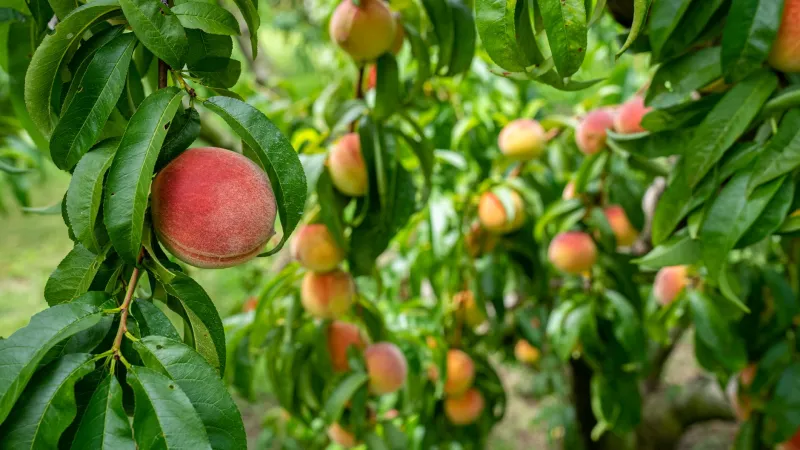
The technique isn't new. Grafting — attaching a cutting from one tree onto the root system of another — is as old as horticulture itself. What's new is the intentionality behind it. Progressive growers in California's Sierra Nevada foothills, the Appalachian ridges of Georgia and North Carolina, and even pockets of the Pacific Northwest are sourcing scion wood from Himalayan cultivars and grafting it onto rootstock already proven in American soil.
The appeal is practical. Himalayan peach varieties often struggle when planted from seed in American conditions — soil chemistry, humidity patterns, and disease pressure all push back. But graft that same genetic material onto a rootstock that's already adapted to local conditions, and you get something interesting: a tree that can survive American weather while still expressing the flavor profile that makes Himalayan peaches so remarkable.
It's a horticultural compromise, and like most compromises, it comes with trade-offs.
The Economics Are Uncomfortable — Until They're Not
Let's be honest about the math. Grafting Himalayan cultivars onto commercial rootstock costs more upfront, takes longer to produce fruit, and introduces variables that conventional farming systems aren't built to handle. A commercial Redhaven or Reliance orchard is optimized for predictability. A Himalayan-grafted orchard is optimized for something harder to quantify.
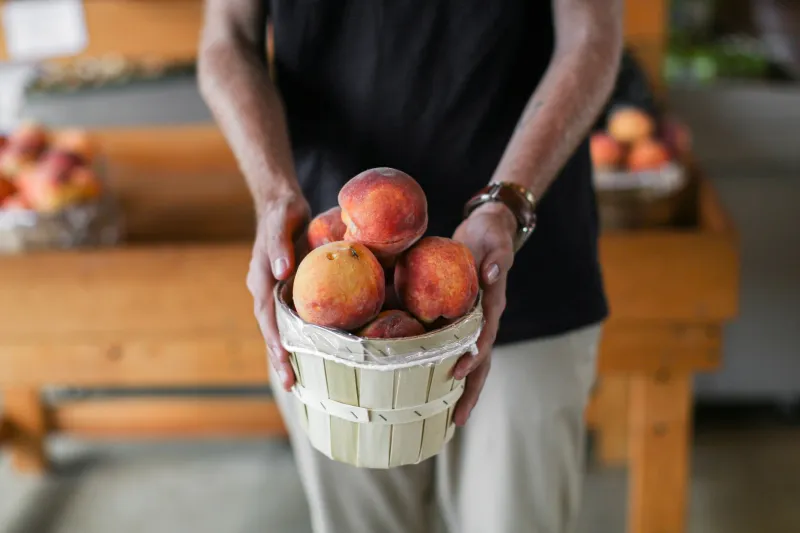
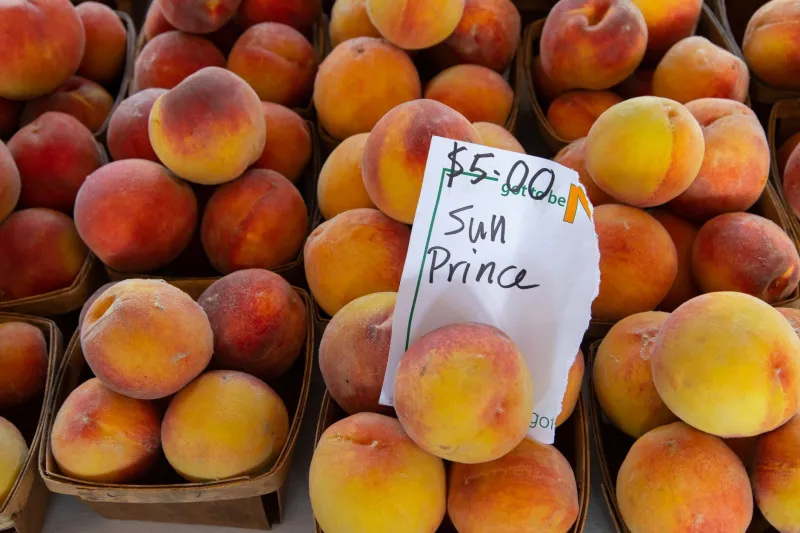
That said, the farmers making this bet aren't naive about money. They're targeting a completely different market. Farmers markets, high-end restaurants, specialty grocers, and direct-to-consumer CSA boxes are their channels — not the commodity wholesale system that rewards uniformity over taste.
In those channels, a peach that actually tastes like something commands a serious premium. Growers who've successfully brought Himalayan-grafted fruit to market report selling at two to three times the price of conventional peaches, with demand regularly outstripping supply. The economics, it turns out, work fine — you just have to be willing to abandon the old distribution model entirely.
The Horticultural Challenges Are Real
None of this is easy, and the growers doing it will tell you that straight. Sourcing reliable scion wood from authenticated Himalayan cultivars is harder than it sounds. There's no established supply chain, no catalog you can order from. A lot of early adopters built relationships directly with Indian agricultural universities, diaspora growers in the US who've maintained heritage trees, or botanical gardens with documented collections.
Once you have the wood, the grafting success rate varies. Some Himalayan cultivars take readily to common American rootstocks like Lovell or Nemaguard. Others are finicky, requiring more specialized rootstock or precise timing. And even when a graft takes successfully, coaxing full flavor expression out of the resulting tree means paying close attention to soil nutrition, pruning strategy, and irrigation — the kind of detail-oriented farming that commodity agriculture has largely engineered away.
Disease management adds another layer. Some Himalayan varieties carry natural resistance to pests common in their native environment but show unexpected vulnerability to American fungal pressures like brown rot or bacterial spot. Growers are essentially writing the playbook as they go.
The Success Stories Are Hard to Ignore
Despite the challenges, the success stories are accumulating. A small orchard in the foothills east of Sacramento has been selling out its entire Himalayan-grafted harvest at a single Bay Area farmers market for three consecutive seasons. A family operation in western North Carolina reports a waitlist of restaurant buyers after word got out about the flavor profile of their grafted trees. A Colorado grower who started with a handful of experimental grafts five years ago has now converted nearly a third of her acreage.
What these growers share isn't just a technique — it's a philosophy. They've rejected the idea that a peach's primary job is to look good in a bin and survive shipping. They've decided that flavor is the product, and they've structured their entire operation around delivering it.
What This Means for Home Cooks
If you're a home cook or a backyard grower, this trend is good news on multiple fronts. First, it means Himalayan-influenced peaches are becoming more accessible at farmers markets and through farm-direct channels in more parts of the country. You don't have to live near a specialty importer to get your hands on fruit with genuine Himalayan genetics.
Second, the grafting approach is absolutely something a dedicated home orchardist can try. The same principles apply at the backyard scale — and the same resources that commercial growers are tapping (diaspora growers, university extensions, specialty nurseries) are available to anyone willing to do the homework.
And third, when you do cook with this fruit, you'll notice the difference. Himalayan-influenced peaches behave differently in the kitchen — their sugar-acid balance holds up better under heat, their aromatics survive cooking in ways that blander commercial varieties don't. Whether you're making a simple galette, a slow-cooked chutney, or a fresh lassi, the starting material matters enormously.
A Quiet Revolution Worth Watching
The farmers grafting Himalayan genetics onto American rootstock aren't making headlines in the agricultural trade press. They're not lobbying for subsidies or appearing at industry conferences. They're just out in their orchards, doing painstaking work that most of their neighbors consider eccentric at best.
But the fruit doesn't lie. And increasingly, the people who taste it — chefs, market shoppers, home cooks who've started paying attention to where their peaches actually come from — are becoming true believers.
Somewhere between the Indian Himalayas and an American hillside orchard, a new kind of peach is taking root. It's worth paying attention.