You Planted Himalayan Peach Seeds. The Fruit Tastes Nothing Like India. Here's Why That's Actually Great News.
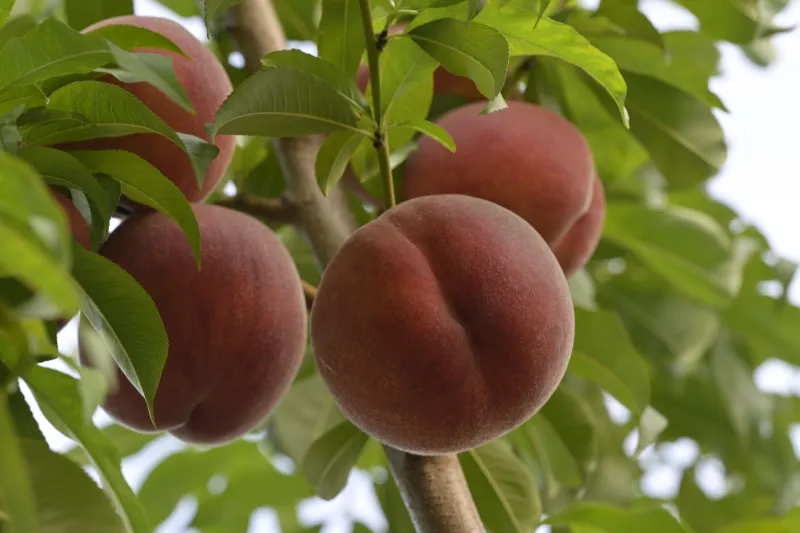
Sarah Hendricks, a home gardener in Asheville, North Carolina, was pretty sure she'd nailed it. She'd spent months tracking down seeds from a Himachal Pradesh peach variety — a small, intensely aromatic cultivar that a friend had raved about after a trip to Shimla. She germinated them carefully, nursed the seedlings through two winters, and finally bit into her first homegrown peach last August.
It was good. Really good, actually. But it wasn't what she'd imagined.
"I was expecting this floral, almost honeyed thing," she says. "What I got was more tangy, a little earthier. Still delicious — but different. I kept thinking I'd done something wrong."
She hadn't. What Sarah experienced has a name in agricultural science, even if most backyard growers have never heard it applied to their own fruit trees.
When Seeds Travel, Flavor Travels With Them — Sort Of
The concept of terroir is most often associated with wine. The idea is simple enough: the same grape variety planted in Burgundy and Napa will produce wines that taste meaningfully different, because the soil composition, ambient temperature, rainfall patterns, and even the microorganisms in the ground all leave their fingerprints on the final product.
Peaches work the same way, but the conversation around peach terroir is still pretty niche — especially when you're talking about seeds that have crossed an ocean.
Dr. Anita Rosen, a pomologist at the University of Georgia who has spent years studying stone fruit adaptation, explains it plainly: "A seed carries the genetic potential of its parent. But that potential gets expressed differently depending on where it grows. Temperature swings, soil pH, humidity levels, the length of your chill hours in winter — all of these factors are essentially environmental editors. They decide which traits get amplified and which ones stay quiet."
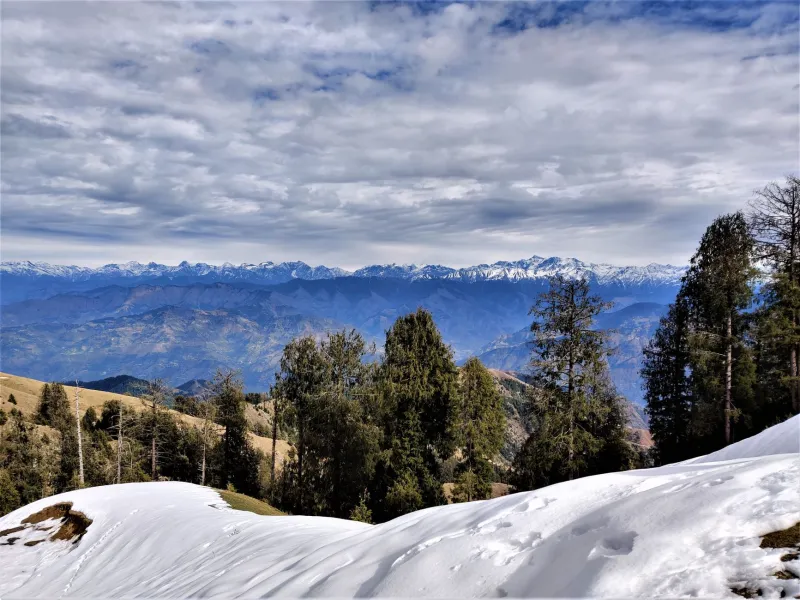
The Himalayan growing environment is genuinely extreme by most American standards. Orchards in Himachal Pradesh and Uttarakhand sit anywhere from 4,000 to over 8,000 feet in elevation. The air is thinner and cooler, the UV exposure is intense, and the diurnal temperature swing — the gap between daytime highs and nighttime lows — can be dramatic. That swing is actually a huge driver of sugar development and aromatic complexity in peaches.
Plant those same genetics in the Piedmont, the Pacific Northwest, or the Texas Hill Country, and you're working with an entirely different set of environmental editors.
The Chill Hours Problem Nobody Warns You About
One of the most concrete ways terroir rewrites your peach's flavor story is through chill hours — the number of hours below 45°F that a tree accumulates during winter dormancy. Himalayan varieties have often evolved to meet relatively high chill hour requirements, because their native winters are long and cold.
In warmer American climates, a tree that doesn't hit its chill hour threshold may bloom erratically, produce smaller fruit, or develop sugars and acids in different ratios than the parent tree ever did. In cooler American climates — the Appalachians, the northern Rockies, parts of the Pacific Northwest — you might actually get closer to the original profile, though soil chemistry will still throw its own curveballs.
Marcus Tully, a small-scale orchardist in Hood River, Oregon, has been experimenting with Himalayan-sourced peach seeds for about six years. His setup — high elevation, volcanic soil, wide temperature swings — is arguably one of the closest American analogs to parts of northern India. Even so, he's noticed consistent differences.
"My fruit tends to run a bit more acidic than what growers in India describe," he says. "My soil pH skews lower than what you'd find in a lot of Himalayan orchards. Once I started amending with lime and adjusting my irrigation timing, I started closing the gap. But I also stopped thinking about closing the gap as the goal."
That mental shift — away from replication and toward reinvention — is something both agronomists and experienced home growers keep coming back to.
Your Backyard Is Writing Its Own Recipe
Here's the reframe that changes everything: the peach you grow from a Himalayan seed isn't a failed copy of an Indian original. It's the first generation of something new — a cultivar shaped by your specific patch of earth.
Dr. Rosen points out that nearly every beloved regional peach variety in American history started this way. "The Georgia Belle, the Elberta — these didn't arrive fully formed. They were selected over generations from trees that growers noticed were doing something interesting in their particular environment. That process is still available to any patient home gardener."
The practical implication is that you should be keeping notes. Obsessive, detailed notes. Track the flavor of your fruit each season alongside records of your soil amendments, irrigation schedule, and local weather data. If you're growing multiple trees from the same seed stock in different microclimates on your property — a south-facing slope versus a low-lying area, for instance — taste them side by side. You'll be stunned by the variation.
Sarah Hendricks has started doing exactly that. She now has four trees from her original Himachal Pradesh seed batch, planted in different spots around her half-acre property. "They're all different," she says, laughing. "One is sweeter, one is more tart, one has this almost spicy finish I've never tasted in a store-bought peach. I've named them separately. They're their own thing now."
Practical Steps for Working With What You've Got
If you're growing peaches from Indian heirloom seeds — or thinking about it — here's what the growers and scientists we spoke with consistently recommend:
Get your soil tested first. A basic county extension soil test costs almost nothing and tells you your pH, nutrient levels, and organic matter content. This is your baseline. Many Himalayan orchards grow in slightly alkaline, well-drained soils. If yours skews acidic, lime amendments can shift your flavor profile noticeably over a few seasons.
Pay attention to your microclimate. Elevation within your own property matters. Even a 50-foot change in elevation can affect drainage, frost timing, and temperature swings. Plant in the spot that most closely mimics the conditions you're trying to approximate — or deliberately choose a different spot if you want to see what your local environment creates on its own terms.
Don't rush to judgment. Peach trees grown from seed take longer to reach full flavor expression than grafted trees. Give yours at least three to four fruiting seasons before drawing conclusions about flavor.
Connect with other growers. Online communities focused on heirloom and heritage fruit are genuinely useful here. The Home Orchard Society and various regional fruit explorer groups have members who've been swapping notes on exactly this kind of experiment for years.
The Flavor That Belongs to Your Zip Code
There's something quietly profound about the idea that a seed carries potential rather than destiny. The Himalayan peach tradition that inspired your planting — the centuries of cultivation, the careful selection by Indian farmers working at altitude — that's still present in your tree's DNA. It's just being translated by a new landscape.
Maybe your North Carolina peach will develop a tartness that makes it perfect for the kind of spiced chutneys that Uttarakhand cooks have been making for generations. Maybe your Oregon fruit will have an aromatic intensity that works beautifully in a sharbat-style drink. The Indian culinary traditions that pair so well with peaches don't require an Indian peach — they require a good one.
Yours, shaped by wherever you are, might be exactly that.