Same Seed, Wildly Different Peach: How Your ZIP Code Is Quietly Rewriting Himalayan Flavor
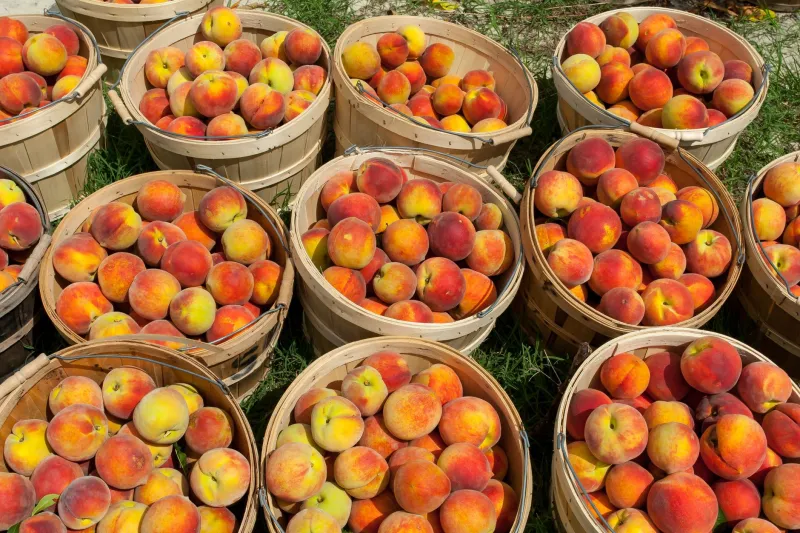
Let's say you and a friend both ordered heirloom peach seedlings from the same small nursery — the kind that specializes in Himalayan cultivars, ships carefully packed boxes, and includes a handwritten care note. You're in Denver. Your friend is outside Asheville, North Carolina. By the third or fourth season, you're comparing fruit at a video call, and something doesn't add up. Yours is tighter, more aromatic, with a sharper acid edge. Hers is softer, sweeter, almost honeyed, with less of that floral top note you'd expect from a Pahadi-type variety.
Same tree. Same origin. Completely different peach.
Welcome to what wine folks have been obsessing over for centuries and peach growers are only just starting to talk about seriously: terroir. And no, you don't need a vineyard or a French accent to care about it.
What Terroir Actually Means for a Peach Tree
In wine, terroir is the idea that a grape's flavor isn't just about the grape — it's about the soil it grows in, the water it drinks, the altitude it sits at, the way the sun hits the slope. The same logic applies to peaches, even if the peach world hasn't always framed it that way.
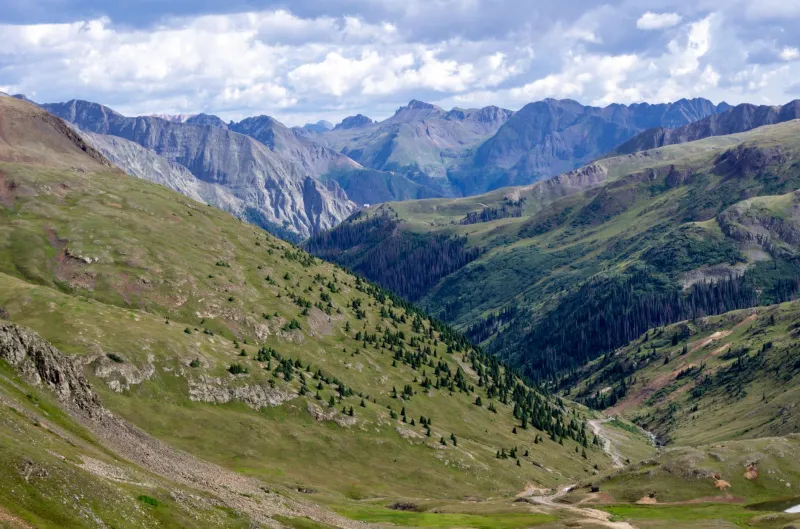
For Himalayan varieties specifically, this matters a lot. These cultivars evolved at altitude — think 4,000 to 8,000 feet — in environments with cool nights, intense ultraviolet exposure, mineral-dense snowmelt irrigation, and a very particular seasonal rhythm. When you transplant that genetic heritage into a completely different landscape, the tree adapts. And so does the fruit.
The flavor compounds that make a Himalayan peach so distinctive — those high aromatic esters, the balance of malic and citric acids, the density of the flesh — are all influenced by environmental inputs. Change the inputs, and you shift the output. Sometimes dramatically.
Elevation: The Biggest Lever You're Probably Not Thinking About
Denver sits at roughly 5,280 feet. That's not incidental. Higher elevation means lower atmospheric pressure, more intense UV radiation, and bigger swings between daytime highs and nighttime lows. That temperature differential — warm days, cool nights — is one of the key drivers of sugar and acid development in stone fruit.
Maria Castellanos, a home gardener in the Denver metro area who's been growing a Kashmiri-origin peach variety for six years, puts it plainly: "The fruit I get here has this almost tart, perfume-y quality that my sister in Georgia just doesn't get from her tree. Hers are bigger, juicier — but mine have this intensity that I actually prefer for cooking."
That intensity is almost certainly a function of elevation stress. The tree is working harder. UV exposure pushes the production of phenolic compounds. Cool nights slow the conversion of acids to sugars, preserving that bright, sharp quality that makes Himalayan peaches so interesting in savory applications — chutneys, spiced braises, pickled preparations.
Water Minerality: The Invisible Ingredient
This one surprises people. The mineral content of your irrigation water — or your local rainfall — affects how a peach tree feeds itself at the root level, and that shows up in the fruit.
Himalayan peaches in their native growing regions drink snowmelt that's notably soft and low in dissolved minerals. Many US regions, by contrast, have significantly harder water. High calcium and magnesium content can influence cell wall development in the fruit, affecting texture and how the sugars are expressed on the palate.
James Whitfield, who relocated from Portland, Oregon, to Raleigh, North Carolina, a few years ago and brought rooted cuttings from his Pacific Northwest peach tree, noticed something shift almost immediately. "The texture changed first — a little softer, a little less firm. Then the flavor followed. Back in Portland, my peaches had this almost mineral, clean taste. Here, they're more straightforwardly sweet. Not worse, just different. The sweetness is more upfront."
Pacific Northwest rainfall is famously soft. Raleigh's municipal water is harder. That's not the whole story, but it's a meaningful chapter.
Seasonal Patterns: Chill Hours and Humidity
Himalayan peach varieties are bred for a specific chill hour requirement — the number of hours below 45°F that the tree needs during dormancy to set fruit properly. In the Himalayas, those chill hours come reliably, with cold, dry winters.
In the American South, winters are milder and more variable. In the Mountain West, they're cold but often drier. In the Pacific Northwest, you get chill hours but with a lot more cloud cover and moisture. Each of these patterns nudges the tree's internal clock differently, affecting bloom timing, fruit set, and ultimately, the concentration of flavor compounds at harvest.
Humidity is another factor that doesn't get enough attention. High humidity during fruit development can dilute flavor concentration — the fruit takes on more water, the sugars and acids spread out. Low-humidity environments, like much of Colorado and the high desert Southwest, often produce smaller fruit with more intense, concentrated flavor. Less water in the air means the fruit has to hold onto what it's got.
How to Start Mapping Your Own Peach's Terroir Signature
You don't need a laboratory. You need a notebook, some patience, and a willingness to taste intentionally over several seasons. Here's a simple framework:
Track your elevation. Look it up for your specific address — not just your city. Hillside versus valley floor can make a meaningful difference.
Test your water. Many county extension offices offer low-cost water testing, or you can use an inexpensive home kit. Note your calcium, magnesium, and pH levels.
Log your chill hours. The University of California Cooperative Extension has a free online chill hour calculator. Enter your zip code and track whether you're hitting the recommended hours for your specific variety.
Taste systematically. When your peaches ripen, taste them at the same time of day, at the same stage of ripeness, for at least two or three seasons before drawing conclusions. Note the acid level, sweetness, aroma intensity, and flesh texture.
Compare notes with other growers. Online communities around heirloom stone fruit are genuinely active and generous with data. If you can find someone growing the same variety in a different region, the comparison will teach you more than any single variable ever could.
Why This Actually Matters in the Kitchen
Understanding your peach's terroir signature isn't just a fun intellectual exercise. It's practical kitchen intelligence.
If your location is producing a high-acid, intensely aromatic fruit — common in high-elevation, low-humidity regions — you'll want to lean into savory applications. That peach wants to be in a chutney, a spiced reduction, or a marinade. It'll hold its own against bold flavors.
If your environment is producing a softer, sweeter, more straightforwardly ripe fruit — think humid Southern climates at lower elevation — you've got something that shines in fresh preparations, light desserts, or a simple lassi where the peach flavor can be the star without competition.
The Himalayan peach tradition has always been about working with what the land gives you. The cooks and orchardists of Himachal Pradesh and Kashmir didn't fight their terroir — they read it and cooked accordingly. Bringing that same attentiveness to your backyard in Denver or Durham or Portland is, honestly, the most Indian thing you can do with a peach.
Your ZIP code has a flavor. Your tree already knows it. Now it's your turn to catch up.