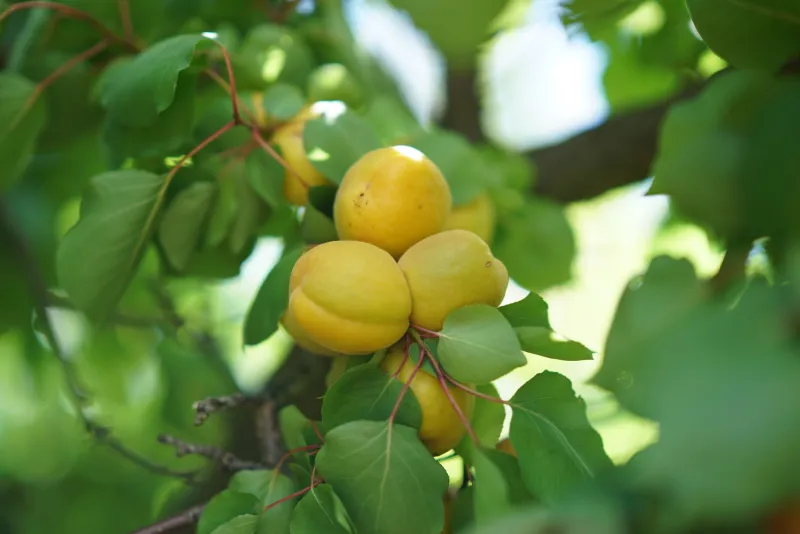
The Nutritional Secret Hiding in Himalayan Peaches (And Why Your Grocery Store Peach Can't Compete)
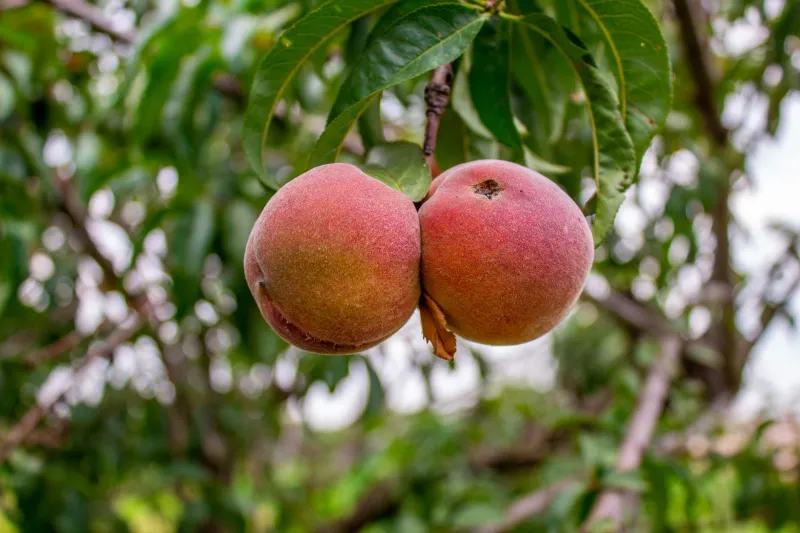
Let's be honest: the average American supermarket peach is kind of a letdown. It looks beautiful — blushed, perfectly round, almost too pretty — but bite into it and you often get something mealy, bland, and vaguely reminiscent of what a peach is supposed to taste like. That's not an accident. Commercial peach cultivation in the US is optimized for shelf life, appearance, and yield. Flavor and nutrition? Those tend to come last.
Now contrast that with a peach grown at 6,000 feet in Himachal Pradesh or Kashmir. Smaller, sometimes a little rough-skinned, deeply fragrant. The kind of fruit that actually tastes like something. The differences aren't just sensory — they go all the way down to the cellular level. And if you care about what your food is actually doing for your body, that gap is worth understanding.
Why Altitude Changes Everything
Himalayan peach orchards sit in a genuinely extreme environment. We're talking about significant UV exposure, dramatic temperature swings between day and night, thin air, and mineral-rich glacial soils. These aren't comfortable growing conditions — and that's exactly the point.
When plants are stressed (in the right ways), they produce higher concentrations of protective compounds called phytochemicals. Think of it as the plant's version of sunscreen and immune support rolled into one. In high-altitude peaches, this translates to measurably elevated levels of polyphenols, carotenoids, and flavonoids compared to their lowland counterparts.
A study published in the Journal of Agricultural and Food Chemistry found that fruit grown at higher elevations consistently showed greater antioxidant activity — and peaches are no exception. The cold nights slow sugar metabolism, which means more complex flavor compounds develop. The intense sunlight drives up anthocyanin content (those deep red and purple pigments you sometimes see bleeding into the flesh near the pit of a truly ripe Indian peach). These aren't cosmetic features. Anthocyanins are potent anti-inflammatory agents with a growing body of research behind them.
What Ayurveda Knew First
Here's where it gets interesting for anyone who's spent time exploring India's wellness traditions. Ayurvedic texts — some dating back thousands of years — have long classified peaches (Ardhakapha in some regional traditions) as cooling, digestive-supportive fruits best consumed in season and in whole form. The emphasis was always on fresh, ripe, and local.
That might sound like common sense, but it's actually a sharp contrast to how most Americans consume peach-flavored anything: in canned syrup, baked into things with added sugar, or blended into smoothies alongside a dozen other ingredients. Ayurveda would say you're diluting the medicine.
Modern nutritional science is circling back to some of these ideas. The synergistic effect of consuming whole fruit — where fiber, water, enzymes, and phytochemicals work together — is increasingly well-documented. Processing strips that synergy. A peach cup in heavy syrup and a fresh Himalayan peach off the tree are not the same food, even if they share a genus.
The Specific Compounds Worth Knowing About
So what's actually in an Indian peach that you might not be getting from the commercial stuff? A few things stand out:
Chlorogenic acid — A polyphenol found in higher concentrations in traditionally grown stone fruits. It's been studied for its role in blood sugar regulation and its potential to reduce oxidative stress. Himalayan varieties, particularly those from Kullu and Shimla, tend to be rich in this compound due to slower ripening in cooler temperatures.
Beta-carotene and lutein — The deep orange and yellow flesh of many Indian peach cultivars signals high carotenoid content. Your body converts beta-carotene into vitamin A, which supports immune function and skin health. Lutein is particularly relevant for eye health. Commercial peaches bred for pale flesh often have significantly lower carotenoid levels.
Vitamin C — This one surprises people. Because Indian peaches ripen more slowly and are typically consumed closer to harvest (less time in cold storage and transit), their vitamin C content is often better preserved. Vitamin C degrades with time and temperature exposure. A peach that's been sitting in a distribution center for two weeks has lost a meaningful percentage of what it started with.
Dietary fiber — The skin of Indian peach varieties tends to be thicker and less aggressively bred for tenderness. That's not always a selling point aesthetically, but it means more insoluble fiber per serving, which supports gut health and satiety.
How to Actually Get These Benefits
Okay, so you're sold on the idea — but you live in Ohio, not Himachal Pradesh. Fair point. Here's how to work with what's available:
Seek out South Asian grocery stores. In cities with significant Indian communities — Chicago, Houston, New York, the Bay Area — you'll occasionally find imported or locally grown Indian peach varieties during summer months. Ask the produce manager. They often know things that aren't on the sign.
Look for farmers market stone fruit with character. Peaches that are small, intensely fragrant, and slightly irregular in shape are often grown by smaller operations using less industrial methods. These tend to have better phytochemical profiles than picture-perfect supermarket fruit.
Eat the skin. Most of the polyphenols and fiber in a peach are concentrated in or just beneath the skin. The Ayurvedic tradition of eating fruit whole and unpeeled has nutritional logic behind it. If pesticide residue concerns you, wash thoroughly or buy organic.
Consume ripe fruit quickly. Don't refrigerate a ripe peach if you plan to eat it today. Cold storage halts the enzymatic processes that continue developing flavor and bioavailability of certain compounds even after harvest.
Pair thoughtfully. Ayurveda suggests avoiding mixing peaches with heavy dairy or protein-rich foods in the same meal, citing digestive compatibility. Modern nutritional thinking on food combining is more nuanced, but eating peaches on an empty stomach or as a standalone snack does appear to maximize their antioxidant absorption.
The Bottom Line
Your supermarket peach isn't bad for you. But it's also not the whole story. The peaches coming out of India's mountain orchards — grown in conditions that push the fruit to produce more of its own protective chemistry — represent a genuinely different nutritional experience. As American consumers get more sophisticated about food provenance and phytochemical density, Indian peach varieties deserve a serious look.
The gap between a commercially grown California peach and a Himalayan cultivar is a little like the gap between a factory-farmed chicken egg and one from a pasture-raised heritage breed. Same food, very different product. Once you know what you're comparing, it's hard to go back.