Grow Your Own Himalayan-Inspired Peach Orchard: A Region-by-Region Guide for American Home Gardeners
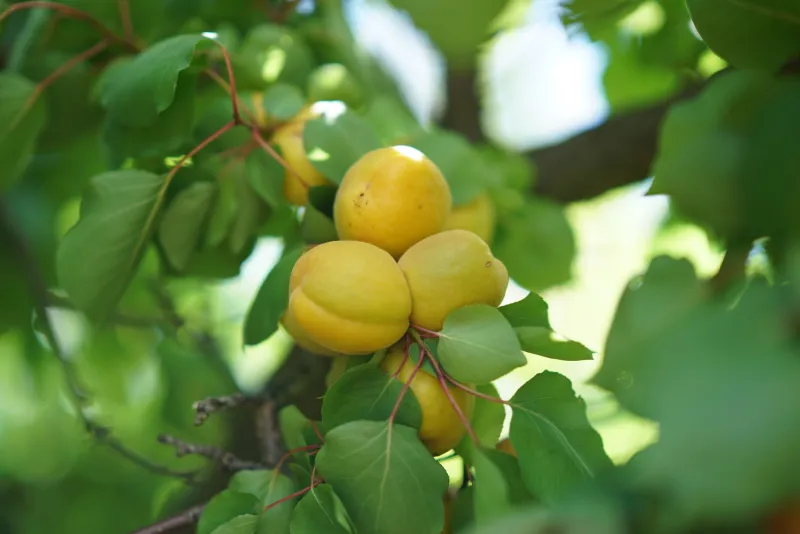
There's something almost romantic about the idea of a peach orchard in the Himalayas — terraced rows carved into steep hillsides, morning mist rolling through apple and peach trees, fruit ripening slowly in thin mountain air. It feels impossibly far from a suburban backyard in North Carolina or a raised-bed garden in Colorado. But here's the thing: the principles that make Indian mountain orchards work so beautifully translate surprisingly well to home growing across the US. And some of the actual varieties? You can get them.
This isn't a guide about replicating Kashmir. It's about borrowing the best ideas from how peaches are grown there — and applying them to wherever you actually live.
Start With the Right Mindset (And Then the Right Variety)
Most American home gardeners think about peaches in terms of two variables: sweetness and size. Indian orchardists think about three more: aroma, texture at peak ripeness, and how the fruit behaves in the kitchen. That shift in priorities changes which varieties you reach for.
Himalayan peach cultivation in India centers on regions like Himachal Pradesh, Uttarakhand, and parts of Jammu & Kashmir — all of which sit in USDA hardiness zone equivalents ranging from roughly Zone 6 to Zone 8, with some higher-elevation areas dipping toward Zone 5 conditions. If you're gardening in those zones in the US, you're already working with compatible baseline conditions.
Some Indian cultivars worth tracking down for home growing include Flordasun (widely adapted, low-chill), Shan-e-Punjab (a traditional Indian variety with exceptional fragrance), and July Elberta (which performs well in warmer US climates and shares characteristics with South Asian stone fruit selections). Specialty nurseries — particularly those focused on heirloom and international stone fruit — are your best sourcing option. Check out Raintree Nursery, One Green World, and Dave Wilson Nursery as starting points. Indian agricultural universities occasionally export budwood through research partnerships, so it's worth following forums on HomeOrchardSociety.org if you're serious about sourcing authentic cultivars.
Zone-by-Zone Planting Guidance
The Pacific Northwest (Zones 6–9)
This is arguably the easiest region for Himalayan-inspired peach growing. The cool, dry summers in eastern Washington and Oregon mirror high-altitude Indian growing conditions more closely than almost anywhere else in the country. You get warm days, cold nights, and relatively low humidity — exactly what brings out the aromatic complexity in Indian peach varieties.
For this region, prioritize mid-season cultivars with moderate chill hour requirements (600–900 hours). Avoid early-ripening varieties that might push out in February before your last frost. Train your trees to an open-center shape — the traditional method used in Himachal Pradesh orchards — which maximizes airflow and light penetration. Spacing trees 15–18 feet apart, as Indian orchardists typically do on gentler slopes, gives you room to work and keeps disease pressure manageable.
The Mountain West (Zones 4–7: Colorado, Utah, Idaho, Montana)
Here's where it gets genuinely exciting. High-altitude growing in states like Colorado actually comes closest to replicating Himalayan conditions — intense UV, dramatic diurnal temperature swings, and low humidity. The challenge is late spring frosts, which can devastate blossoms.
Indian orchardists deal with exactly this problem in the mountains, and their solution is elegant: site selection. In Himachal Pradesh, orchards are almost always planted on slopes with good cold air drainage, never in frost pockets or valley floors. Apply the same logic in Colorado or Utah — plant on a south or southeast-facing slope if possible, and avoid low-lying areas where cold air settles on still nights.
Variety selection matters a lot here. Look for late-blooming cultivars like Contender or Reliance, both of which have the cold hardiness to handle Zone 5 winters and delayed bloom times that dodge the worst frost windows. Chill hour requirements in this region are naturally met — your challenge is protecting blossoms, not accumulating cold.
The Southeast (Zones 7–9: Georgia, the Carolinas, Tennessee)
Georgia is peach country, obviously — but most of what's grown there is optimized for commercial production, not the flavor-forward, aromatic qualities of Indian varieties. Home gardeners in this region have a real opportunity to grow something genuinely different.
The main adaptation challenge in the Southeast is humidity. Indian mountain orchards are dry; the Southeast is not. This means fungal pressure — brown rot and leaf curl especially — is higher. Counter this the Himalayan way: aggressive pruning for airflow, copper-based dormant sprays in late winter, and mulching with straw or wood chips to reduce soil splash during rain. These are standard practices in Indian orchards and they work just as well in Tennessee.
For low-chill varieties suited to the Southeast, Tropic Snow, Flordaprince, and UFGold perform reliably. They won't be identical to a Shimla peach, but their flavor profiles — particularly when grown with attention to organic soil health — come closer than you'd expect.
The Northeast and Midwest (Zones 5–7: New York, Michigan, Ohio, Pennsylvania)
Michigan and upstate New York already have thriving peach industries, which tells you the climate is workable. The key for home growers in this region is winter protection and variety selection for cold hardiness.
Adopt the Indian practice of building soil organic matter aggressively — Himalayan orchardists rely on composted animal manure and green mulch to insulate roots through cold snaps. A 4–6 inch layer of wood chip mulch pulled back from the trunk (to prevent rot) makes a meaningful difference in root zone temperature stability.
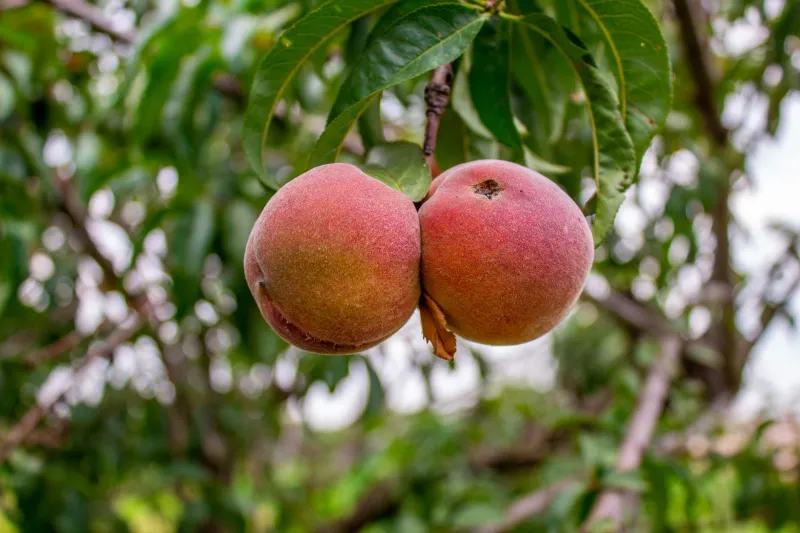
Varieties like Contender, Redhaven, and Madison are proven performers in this region. If you want to push toward Indian flavor characteristics, look for cultivars with yellow, high-carotenoid flesh and strong freestone separation — traits common in traditional Himalayan selections.
Himalayan Growing Principles Worth Stealing
Beyond variety selection and zone matching, a few practices from Indian orchard culture translate directly into better home-grown peaches:
Plant in groups, not isolation. Indian orchards are communal by nature — multiple varieties growing near each other improve pollination and create the kind of biodiversity that supports beneficial insects. Even if you only have room for two or three trees, choose different ripening times so you're extending your season from late June through August.
Thin aggressively. This is the single most underrated practice in home peach growing. Indian orchardists thin fruit early and heavily — removing 60–70% of developing fruit to concentrate flavor and size in what remains. Most American home gardeners can't bring themselves to do this. Do it anyway. The difference in fruit quality is dramatic.
Feed the soil, not the tree. Traditional Indian orchard management prioritizes soil biology over foliar feeding or synthetic fertilizers. Compost, vermicompost, and cover crops between rows are standard. Your peach trees will reward this approach with deeper root systems and more resilient growth.
Harvest on the tree. Commercial peaches are picked underripe to survive transit. Your backyard peaches don't need to survive anything except the walk from tree to kitchen. Wait until the fruit releases with the gentlest twist. That's when the aromatic compounds — the ones that make Indian peaches legendary — are fully expressed.
Getting Started This Season
If you're planting bare-root trees, late winter to early spring is your window — typically January through March depending on your zone. Container-grown trees give you more flexibility through early summer. Order from specialty nurseries early; the interesting varieties sell out fast.
You don't need acres. Two well-chosen trees on a suburban lot, managed with attention and a little patience, can produce enough fruit over a 6–8 week season to make preserves, cook with through the winter, and share with neighbors. That's the Himalayan orchard spirit, scaled down to something any American home gardener can actually pull off.