Stock Your Pantry With Himalayan Peach Favorites: A Guide to Shopping the Peach in India Collection
So you've fallen down the rabbit hole of Himalayan peaches — welcome to the club. Maybe you've been reading about murabba and now you need a jar. Maybe your backyard tree finally produced a real haul and you're looking for the right tools to turn it into something extraordinary. Or maybe you just want to eat more interesting peaches and you have no idea where to start.
Wherever you're coming from, building a well-stocked peach pantry is one of the best investments a home cook can make. And if you're serious about cooking with Himalayan-style flavors, there are some specific ingredients and tools that will make the whole thing click.
Here's a practical guide to what's worth adding to your shopping list — and why each pick earns its place in a peach-forward kitchen.
Start With the Fruit Itself (And Know What You're Buying)
Before anything else, let's talk about sourcing. If you're shopping for fresh Himalayan peach varieties in the US, your best bets are farmers markets in cooler-climate states like Washington, Oregon, Colorado, and parts of the Northeast. These microclimates mimic high-altitude Indian growing conditions better than most of the country.
If fresh isn't an option, look for:
- Sun-dried Indian peaches — intensely flavored and perfect for chutneys, braises, and baking
- Himalayan peach preserves or murabba — spiced whole-fruit preserves that double as a condiment and a dessert
- Frozen peach slices from specialty grocers — a solid year-round backup for recipes that call for cooked or blended fruit
Specialty South Asian grocery stores in major US cities often carry imported peach products you simply won't find at a regular supermarket. It's worth making the trip.
The Spices That Make Himalayan Peach Cooking Sing
One of the biggest differences between a standard American peach recipe and a Himalayan-inspired one is the spice profile. Indian peach dishes lean into warm, complex flavors that balance the fruit's natural sweetness with something deeper.
These are the spices to have on hand:
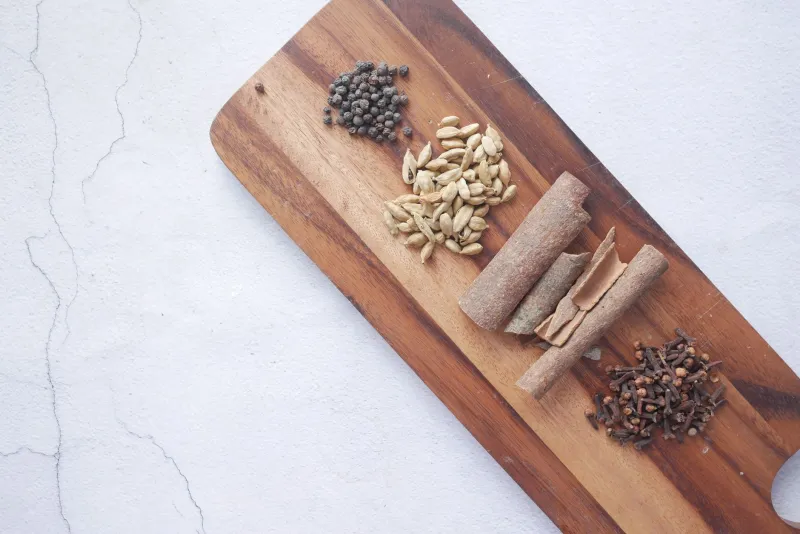
- Green cardamom — the backbone of most Indian peach sweets and preserves; buy whole pods and grind fresh for the best flavor
- Saffron — a small pinch transforms peach kheer, sharbat, or murabba into something genuinely special
- Black pepper — yes, in peach dishes; it adds a gentle heat that plays beautifully against stone fruit
- Dried ginger (sonth) — earthier and less sharp than fresh, this is a traditional pairing with preserved peaches
- Fennel seeds — subtle and slightly sweet, they show up in Kashmiri-style peach pickles and chutneys
If you don't already have a reliable spice source, look for whole spices from Indian grocery stores or reputable online retailers. Pre-ground spices lose their punch fast, and with peach dishes, the spice quality really shows.
Sweeteners Worth Swapping In
Himalayan peach recipes often use sweeteners that are less processed than standard white sugar, and the flavor payoff is real. Consider keeping these in rotation:
- Jaggery (gur) — unrefined cane sugar with a molasses-like depth; it pairs especially well with peaches in chutneys and slow-cooked preserves
- Raw honey — local wildflower or clover honey works beautifully in peach dressings, marinades, and drinks
- Mishri (rock sugar) — traditional in Indian sharbat recipes and lighter on the palate than refined sugar
Kitchen Tools That Actually Matter
You don't need a lot of specialized equipment to cook Himalayan-inspired peach recipes, but a few tools will make your life significantly easier.
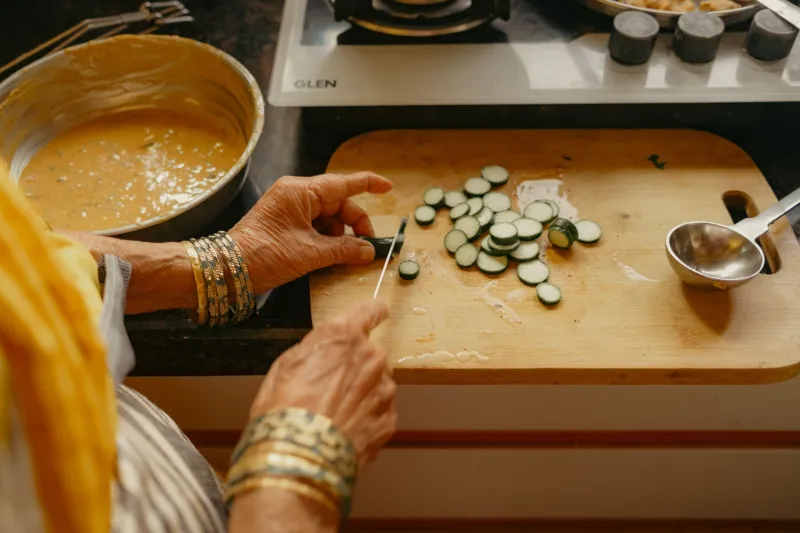
A heavy-bottomed pot or kadai is probably the most important. Indian peach preserves and chutneys require low, slow cooking with constant attention, and thin-bottomed pots scorch everything. A good enameled Dutch oven works great if you don't have a traditional kadai.
A fine mesh strainer comes in handy for peach sharbat and drinks — it gives you that clean, clear finish that makes the drinks look as good as they taste.
Glass canning jars are non-negotiable if you're making preserves. Wide-mouth quart jars are the most versatile size for peach murabba and chutneys.
A mortar and pestle is genuinely worth it for grinding small amounts of spice. It gives you more control than a spice grinder and is easier to clean when you're only working with a tablespoon of cardamom.
Pantry Staples That Play Well With Peaches
A few supporting-cast ingredients that show up again and again in Himalayan peach cooking:
- Rose water — a small splash in peach drinks or desserts adds a floral note that feels authentically Indian without being overpowering
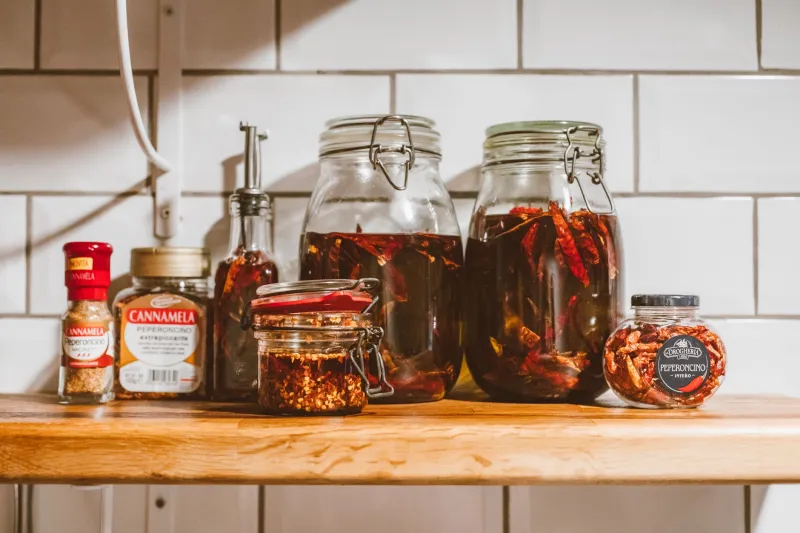
- Dried red chilies — essential for peach achaar (pickle); the heat contrast with sweet fruit is one of those combinations that sounds weird until you try it
- Apple cider vinegar — a good stand-in for Indian fruit vinegars in chutneys and pickles
- Mustard seeds — used for tempering in savory peach preparations; they pop in hot oil and add a nutty, slightly bitter note
Building Your Collection Over Time
You don't have to buy everything at once. If you're just getting started with Himalayan-inspired peach cooking, pick one recipe that genuinely excites you and shop for exactly what that recipe needs. A jar of good murabba, a bag of green cardamom, and a bottle of rose water will get you surprisingly far.
From there, the pantry builds itself. You'll find yourself reaching for saffron when you make a peach kheer, then jaggery when you try your first chutney, then fennel seeds when you get ambitious about pickling. Before long, you'll have a pantry that can handle almost any peach recipe that comes your way — and a much more interesting cooking life because of it.
The Himalayas are a long way from most American kitchens. But with the right ingredients in your pantry, the flavors are closer than you think.