Growing Like a Dream, Selling Like a Nightmare: The Himalayan Peach's Complicated American Story
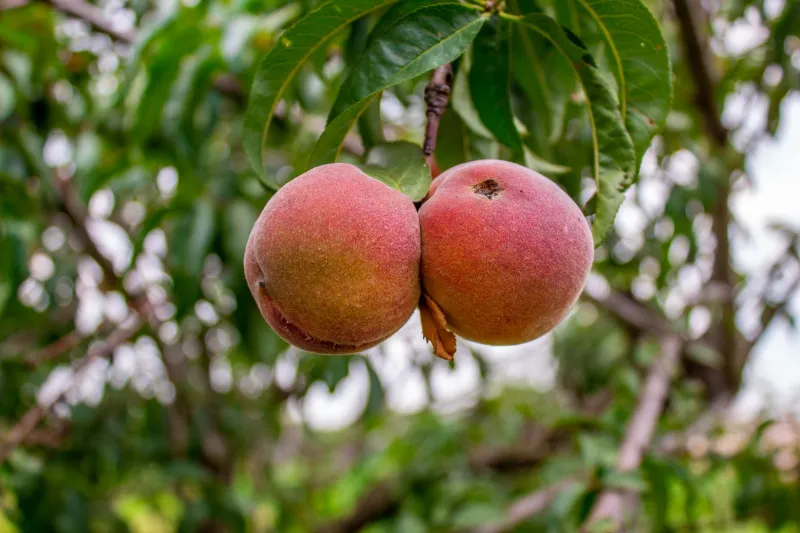
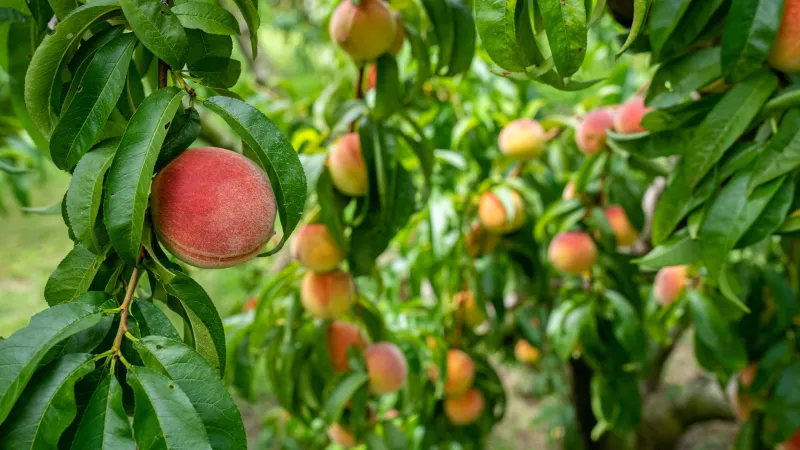
There's a strange thing happening in American gardens right now. Home growers from the Pacific Northwest to the mid-Atlantic are reporting the same experience: they plant a Himalayan or Indian-origin peach variety, give it reasonable care, and within a few seasons they're harvesting fruit so intensely flavored it makes a standard Georgia Belle taste like cardboard. They share the surplus with neighbors. Neighbors start asking where to buy it. And that's exactly where the story hits a wall.
Because you can't buy it. Not really. Not at scale. Not at any grocery store in your zip code.
This is the Himalayan peach paradox — a fruit that performs brilliantly once it's in someone's hands but can't seem to make the leap from backyard triumph to commercial reality. Understanding why that gap exists says a lot about how American food systems work, and what they're quietly leaving out.
Why Home Gardeners Keep Winning
Let's start with what's actually going right. Himalayan peach cultivars — many originating from the high-altitude growing regions of Himachal Pradesh and Uttarakhand in northern India — evolved in conditions that, surprisingly, mirror several American microclimates better than the hot, humid Southeast where most commercial peach operations run.
These varieties were shaped by cold winters, dramatic temperature swings, and relatively dry summers. That profile sounds a lot like parts of Colorado, upstate New York, northern California, and western Washington. Home gardeners in those regions who've tried varieties like Flordasun crosses or traditional Indian hill-station cultivars often find the trees almost embarrassingly easy to manage. Good chill hours, well-drained soil, and a bit of patience — and the fruit practically takes care of itself.
The flavor payoff is real, too. High-altitude peaches tend to develop more complex sugar-acid balance because the slow ripening process lets aromatic compounds accumulate over a longer period. Home cooks who've baked with them or turned them into chutneys describe a depth that store-bought fruit simply doesn't have. The flesh holds up differently in heat. The stone releases cleanly. The skin has a texture that actually adds something to a preserve rather than turning to mush.
Where Commercial Orchards Hit the Brakes
So why aren't commercial growers jumping on this? The honest answer involves several overlapping problems, and none of them are really about the fruit.
Harvesting windows are unforgiving. Himalayan varieties often ripen in tight, condensed windows — a characteristic that works beautifully in a home garden where you're picking for your own kitchen and can check the tree daily. For a commercial operation running hundreds of acres and working around labor availability, equipment schedules, and transport logistics, that same tight window becomes a liability. Miss it by a few days and you've lost the crop, or you're rushing to pick underripe fruit that won't impress anyone.
Post-harvest handling is a different animal. The same delicate skin that gives these peaches their texture and flavor is a nightmare for commercial packing lines. Himalayan varieties tend to bruise more easily than the thick-skinned, firm-fleshed cultivars that were specifically bred for mechanical handling and long-haul shipping. A peach that needs to travel from California to a distribution center in Ohio has to survive a journey that Indian hill-station varieties were simply never designed for.
Infrastructure doesn't bend easily. Commercial peach growing in the US is built around a handful of proven varieties — Redhaven, Contender, O'Henry — with decades of established supply chains, processing protocols, and buyer relationships behind them. Introducing an unfamiliar variety means convincing not just growers but also packing houses, distributors, and retailers to take a risk on something new. That's a lot of friction for fruit that, from the outside, just looks like another peach.
The Market Psychology Problem
There's also something subtler going on, and it has less to do with logistics than with how American food retail thinks about value.
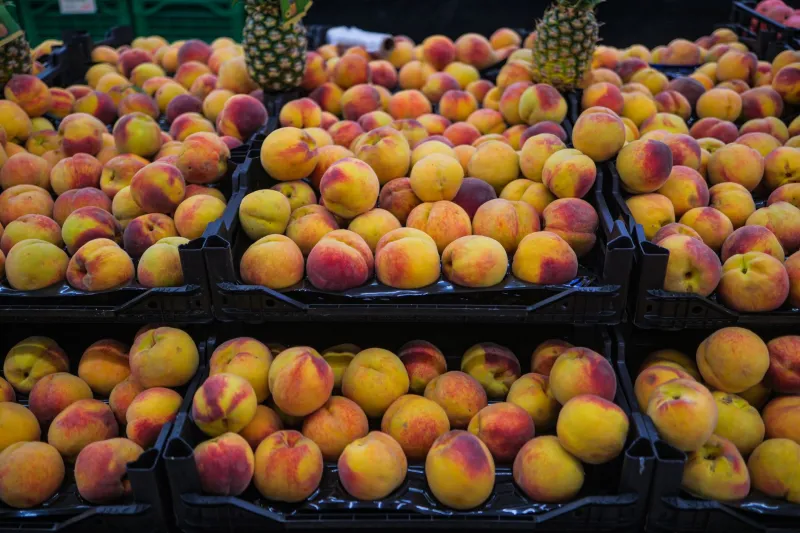
Grocery buyers tend to evaluate peaches on visual uniformity, shelf life, and predictable sizing — not on flavor complexity or culinary performance. Himalayan varieties often don't fit the aesthetic mold. They can be smaller, less uniformly colored, and quirkier in shape than the big, blushing orbs that stock supermarket bins. Even at farmers markets, where buyers are theoretically more adventurous, growers report that customers reach for the biggest, reddest fruit first, regardless of what the label says about origin or flavor profile.
The farmers market experience is actually worth dwelling on. A few small-scale growers who've experimented with Indian cultivars say the fruit sells well once people taste it — but getting someone to taste an unfamiliar variety when the next table has a pile of gorgeous-looking conventional peaches is genuinely hard. The economics of running a market stand don't always allow for the kind of patient, sample-heavy education that would help these varieties find their audience.
What Home Gardeners Understand That Orchards Don't
Here's the thing home growers have figured out almost by accident: Himalayan peaches reward a different kind of relationship. They're not passive commodities. They respond to attention. They perform best when someone is watching the tree, adjusting irrigation during dry spells, catching the harvest at exactly the right moment, and using the fruit in ways that match its actual characteristics rather than forcing it into a generic peach role.
That's not a scalable commercial model. But it's a genuinely great home garden model, and it's why so many backyard growers are evangelical about these varieties in a way that commercial orchards haven't been able to replicate.
The gap between what's possible in a home garden and what's viable in a commercial orchard isn't unique to peaches — it shows up across all kinds of heirloom and heritage fruits. But with Himalayan varieties, the contrast is especially sharp because the fruit is so demonstrably superior in the right hands, and the barriers to commercial adoption have so little to do with the fruit itself.
Where Does This Leave American Cooks?
Practically speaking, if you want access to Himalayan peach genetics, your best options right now are growing your own, finding a small-scale local grower at a regional farmers market, or sourcing specialty preserves and products from producers who work directly with Indian-origin cultivars.
The commercial orchard story may eventually change — there's growing interest among small and mid-size growers in differentiated varieties as a way to compete with industrial operations. But that shift will take time, infrastructure investment, and probably a generation of consumers who've been educated to ask better questions about where their fruit comes from and how it was grown.
Until then, the best Himalayan peaches in America are growing in someone's backyard. Which, honestly, might be exactly the right place for them.