Ditching the Grocery Store Staple: How American Home Cooks Fell Hard for Himalayan Peaches
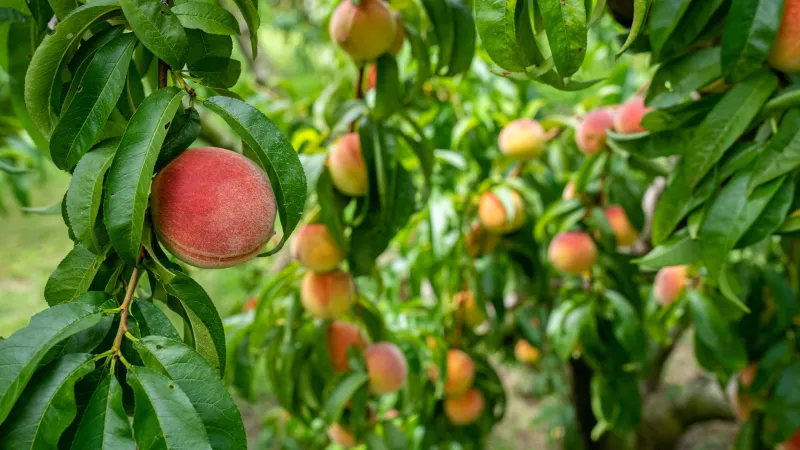
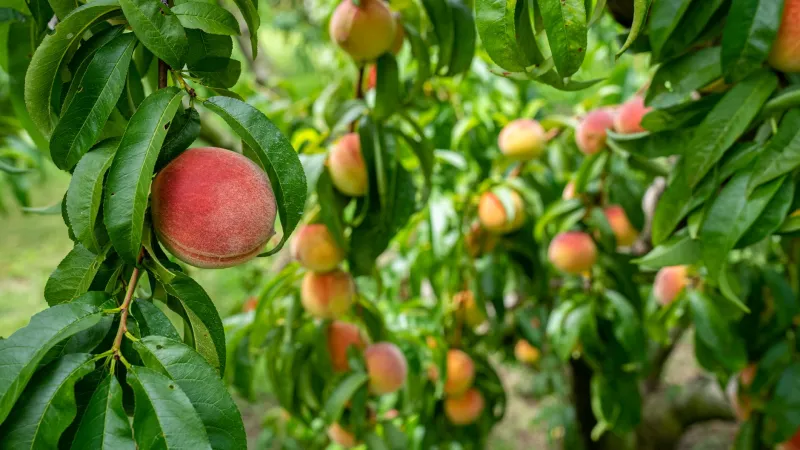
Not long ago, if you asked an American home cook about their favorite peach variety, you'd hear the usual suspects — Elberta, Redhaven, Reliance. Dependable, familiar, easy to find at the nursery. But scroll through any of the major home gardening groups on Facebook or Reddit's r/vegetablegardening these days, and you'll notice something different bubbling up: people are talking about Himalayan peaches with the kind of enthusiasm usually reserved for heirloom tomatoes or rare citrus.
This isn't a trend being pushed by grocery chains or major seed companies. It's coming from the ground up — literally. Home cooks and backyard gardeners are actively seeking out Indian peach cultivars, trading cuttings through online communities, and in some cases, importing seeds from small suppliers in Himachal Pradesh and Uttarakhand. So what's actually going on here?
Flavor First — And Then Everything Else
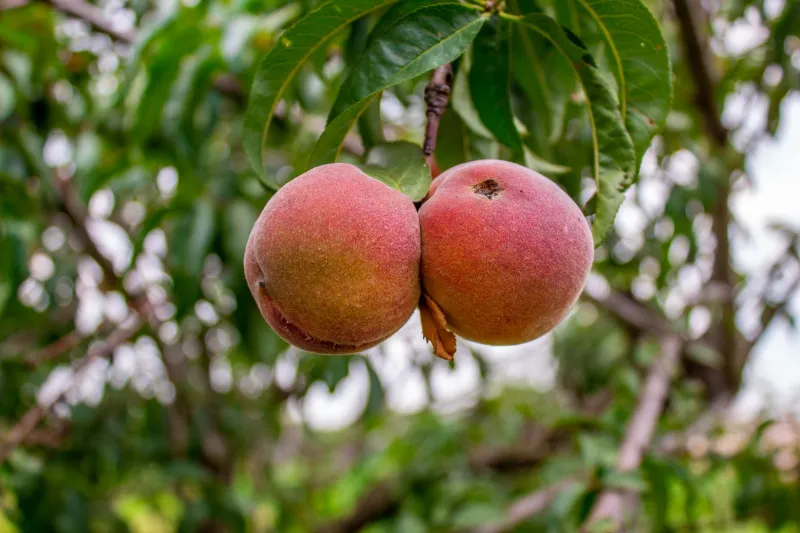
For most people who've made the switch, it starts with a single taste. Jennifer Morales, a home gardener in Bellingham, Washington, describes the moment she first tried a peach from a neighbor's Himalayan-origin tree as "genuinely disorienting" — in the best possible way. "It wasn't just sweeter or more fragrant. It tasted like the peaches I remembered from childhood, but more so," she says. "I immediately wanted to know where to get one for myself."
That flavor intensity is something Himalayan varieties are known for, and it has a lot to do with how they developed. Grown at high elevations with significant temperature swings between day and night, these peaches accumulate sugars slowly and build complex aromatic compounds that lower-altitude commercial varieties simply don't have the time or conditions to develop. When you transplant that genetic heritage into a US backyard with similar climate conditions — think the Pacific Northwest, parts of the Rockies, or higher-elevation spots in New England — the results can be remarkable.
But taste is just the opening act. Once cooks start growing Himalayan varieties, they tend to discover a second layer of appeal: these peaches behave differently in the kitchen.
A Fruit That Actually Holds Up
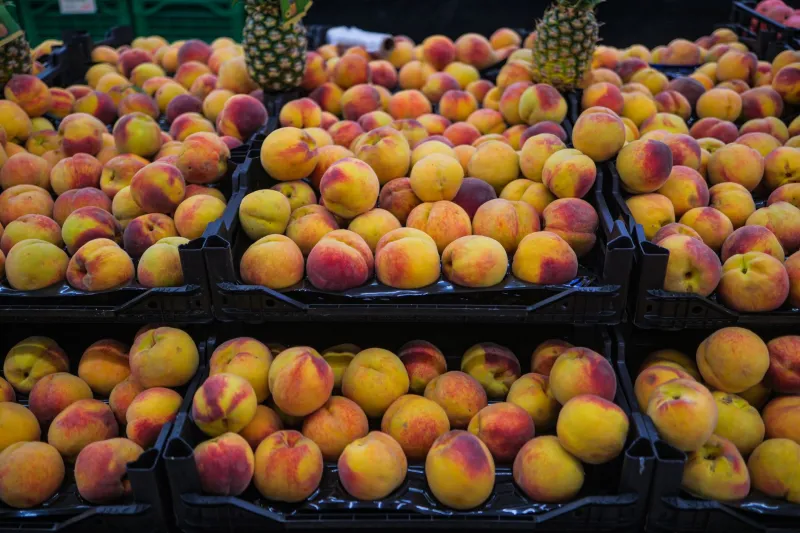
One of the most common complaints about standard American supermarket peaches is that they're either rock hard and flavorless or perfectly ripe for about 36 hours before turning to mush. Himalayan varieties, by contrast, tend to have a firmer, denser flesh that holds its structure during cooking. That makes them genuinely useful for a wider range of recipes — chutneys, slow-cooked curries, roasted preparations, and preserves that need to maintain texture over time.
Home cooks who've discovered Indian preservation traditions like murabba (a slow-cooked spiced preserve) or aam papad-style fruit leathers have found that Himalayan peaches are almost purpose-built for these techniques. The lower water content and higher tannin levels in some cultivars mean less weeping during cooking and a more concentrated final product.
Alex Tran, who runs a small food blog out of Portland, Oregon, started growing a Himalayan cultivar three seasons ago after struggling with his previous peach trees. "Every year I'd get this huge harvest and most of it would go soft before I could do anything with it," he says. "Now I'm making batches of spiced peach preserve that actually taste like something. I gave jars to my neighbors and they thought I'd bought them at a specialty store."
Where Are People Actually Finding These Varieties?
This is where things get genuinely tricky — and also where the community aspect of this trend becomes essential. Himalayan peach varieties aren't stocked at Home Depot or your average local nursery. Finding them requires some legwork.
A handful of specialty online nurseries have started offering grafted saplings of Indian cultivars, though stock tends to sell out fast. Seed swapping communities — particularly groups on Facebook dedicated to rare and heirloom fruit trees — have become a primary channel for sourcing plant material. Some members have cultivated relationships with growers in Himachal Pradesh who occasionally ship seeds, though importing plant material always comes with regulatory caveats around USDA phytosanitary rules.
For the more patient gardener, growing from seed is an option, though it means accepting that the resulting tree may not be genetically identical to the parent — which, depending on your perspective, is either a frustrating gamble or an exciting experiment in local adaptation.
Several small seed companies have picked up on the demand and started curating offerings specifically aimed at this audience. Kezia Walsh, who supplies heirloom and heritage fruit seeds through her small Vermont-based operation, says inquiries about Indian peach varieties have roughly tripled over the past two years. "People come in knowing what they want now," she says. "A few years ago I'd have to explain what a Himalayan peach even was. Now they're asking me which specific cultivars from which regions."
Social Media Did the Heavy Lifting
It would be hard to overstate how much platforms like Instagram, TikTok, and YouTube have accelerated this shift. A single video of someone harvesting a spectacularly fragrant Himalayan peach in their Pacific Northwest backyard can rack up hundreds of thousands of views and send waves of curious cooks searching for where to buy seeds.
Food creators who focus on South Asian culinary traditions have also played a role, introducing American audiences to the cultural context behind these fruits — the village orchards of Shimla, the roadside vendors selling fresh peaches in Manali, the grandmothers who've been making spiced preserves from the same trees for decades. That storytelling adds a dimension that a standard nursery catalog simply can't replicate, and it's making people genuinely curious rather than just casually interested.
Online communities like the South Asian food subreddits and diaspora-focused cooking groups have also served as informal knowledge hubs, connecting American cooks with growers, recipes, and cultivation advice rooted in actual Himalayan farming practice.
What This Means for Your Kitchen — and Your Garden
If you're curious about making the swap yourself, the honest answer is that it takes some patience and a higher tolerance for uncertainty than buying a standard nursery tree. Sourcing is harder, the learning curve around cultivation is steeper if you're not in an ideal climate zone, and you may go a few seasons before getting a meaningful harvest.
But for the cooks who've made it work, the payoff is real — not just in terms of flavor, but in terms of the whole experience of growing something with a story behind it. There's something genuinely satisfying about pulling a peach from your own backyard that traces its lineage to an orchard in the Indian Himalayas, then turning it into a preserve using techniques that have been refined over centuries.
The great peach swap isn't about rejecting American stone fruit tradition. It's about expanding what home cooks think is possible — and discovering that sometimes the most interesting ingredient in your kitchen is the one you grew yourself, from a seed that traveled a very long way to get here.